Electric vehicles were supposed to make gas stations a thing of the past. So why are automakers suddenly putting gasoline engines back into electric cars?
The answer is a relatively simple piece of technology called an EREV, short for Extended-Range Electric Vehicle.
EREVs are gaining serious traction because they promise something that many traditional EVs struggle to deliver: zero range anxiety. That’s because the gasoline engine in an EREV is essentially a generator carried onboard to keep the battery supplied with electricity when needed.
That makes an EREV one of the more interesting middle grounds in the industry’s transition away from traditional gasoline-powered vehicles.
EREV: Basically An EV With A Gas-Powered Generator
The easiest way to understand an EREV is to imagine a normal battery-electric vehicle and then add a small gasoline engine whose only job is to generate electricity.
The battery powers the electric motors, and those motors turn the wheels. When the battery gets low, the gasoline engine starts and drives a generator that produces electricity for the vehicle’s electrical system. The important part is that the gasoline engine isn’t mechanically connected to the wheels in a true EREV; the vehicle is still propelled by electric motors.
An EREV can also be plugged into a charger just like a regular EV. That means drivers can use electricity for everyday trips and rely on gasoline when they need additional range. Think of it as an EV with a backup power plant built into it.
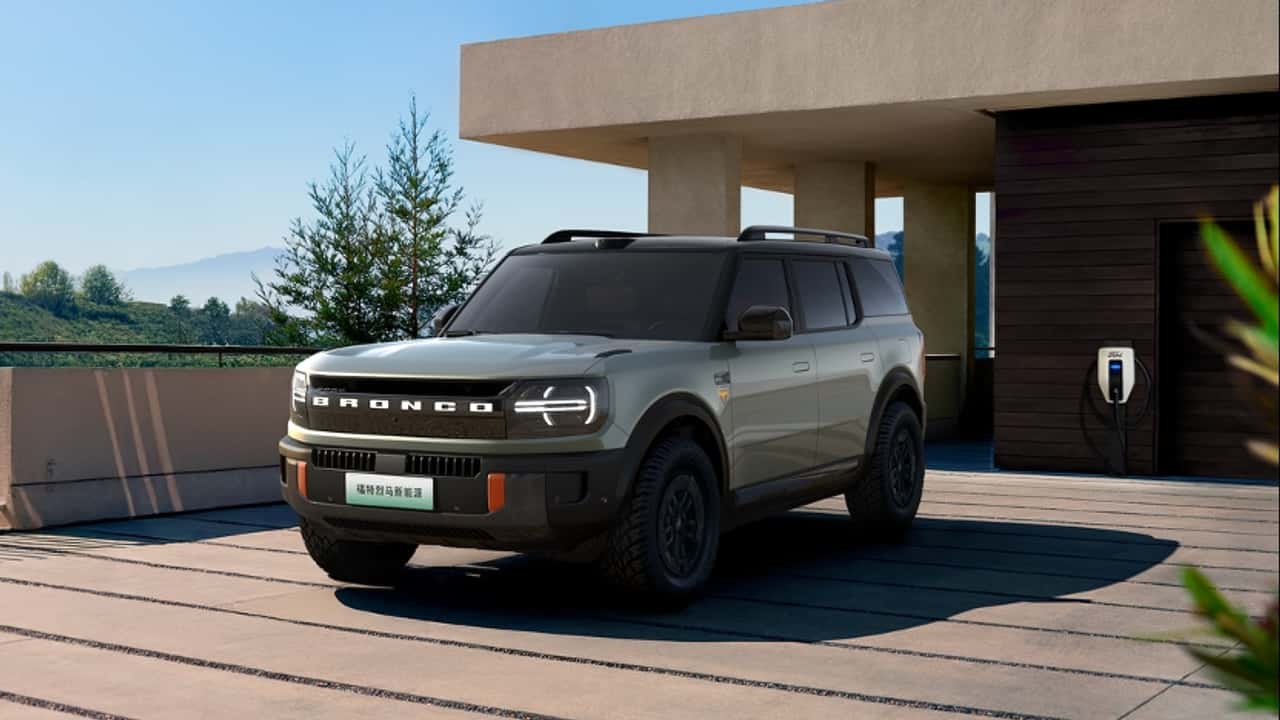
Ford Bronco EREV (China)
Photo by: Ford
How Does An EREV Work?
The power flow is surprisingly straightforward.
The battery: Stores the electricity used to propel the vehicle.
The electric motors: Provide all the actual propulsion.
The gasoline engine: Runs a generator when additional electrical energy is needed.
The generator: Converts gasoline into electricity that can replenish or sustain the battery.
The charging port: Allows the battery to be charged from the electrical grid like a conventional EV.
Because the engine isn’t responsible for directly accelerating the vehicle, it doesn’t need to behave like a traditional automotive engine. It can instead operate in a relatively narrow range where it’s optimized to generate electricity efficiently. The battery can handle short bursts of high power, such as acceleration, while the generator supplies energy for longer periods.
That’s one of the reasons the technology is particularly interesting for larger vehicles. A truck or SUV can have the instant torque and smooth operation of an EV while carrying enough gasoline to keep going long after the battery’s initial charge is depleted.
EREV Vs PHEV: What’s The Difference?
This is where things get confusing. An EREV looks a lot like a plug-in hybrid because both have a battery, electric motor, gasoline engine, fuel tank, and charging port. But the way those components interact is different.
A conventional plug-in hybrid can use its gasoline engine to drive the wheels, either by itself or together with an electric motor. An EREV, by contrast, is designed around electric propulsion, with the combustion engine primarily functioning as a generator. That distinction changes the character of the vehicle.
A PHEV is essentially a gasoline vehicle that can spend some of its time driving electrically. An EREV is closer to an electric vehicle that happens to carry its own electricity generator.
There’s some terminology overlap, and not every automaker or regulator uses the labels in the same way. But the basic architectural distinction is what matters: in a true EREV, the electric motor is doing the driving.
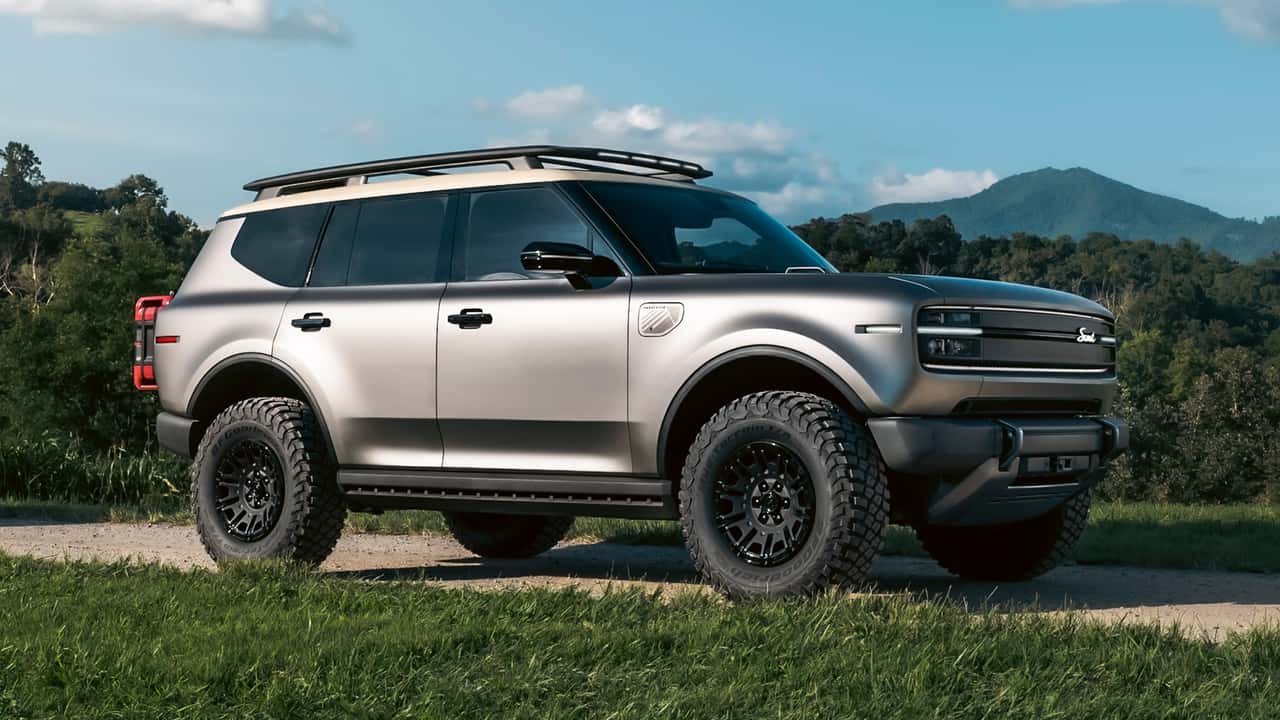
Scout Traveler Trail-Ready EREV Concept
Photo by: Scout Motors
Why Are Automakers Suddenly Interested In EREVs?
The technology isn’t new. The Chevrolet Volt and BMW i3 REx both used versions of the basic range-extender concept, although the Volt could mechanically connect its engine to the wheels under certain conditions and therefore isn’t a pure example of the architecture.
What’s different now is the scale of the vehicles being designed around the idea. Automakers are increasingly looking at EREVs for trucks and large SUVs, where enormous batteries can add significant weight and cost. A smaller battery combined with a gasoline generator can potentially provide long electric driving capability without requiring an enormous battery pack.
That’s why upcoming products such as the Ram 1500 REV, Jeep Grand Wagoneer, Hyundai’s future Santa Fe EREV, and Scout’s range-extended models have attracted so much attention.
For buyers, the appeal is obvious: drive most of the time electrically, but keep the ability to stop at a gas station when a long trip makes charging inconvenient. It’s essentially a way of reducing range anxiety without giving up electric propulsion.
Drivers Can’t Agree On Whether EREVs Make Sense
EREVs may sound like a straightforward compromise, but Reddit’s EV community is far from unanimous about whether they actually make sense.
A recent r/electricvehicles discussion asked whether EREVs are still a good idea in 2026. Supporters pointed to one obvious advantage: an EREV can provide the electric driving experience while eliminating some of the headaches associated with charging on long trips. Towing came up repeatedly, with several commenters arguing that range-extending trucks could be particularly useful when hauling a trailer through areas with limited charging infrastructure.
Others weren’t convinced. Critics argued that an EREV still carries the maintenance and complexity of an internal-combustion engine while retaining the weight and cost of an electric drivetrain. Some questioned why buyers shouldn’t simply choose a plug-in hybrid or a larger-battery EV instead.
The debate isn’t new, either. A 2021 r/cars discussion about the return of range extenders produced a similar argument: supporters saw them as a way to avoid enormous batteries while keeping electric propulsion, while skeptics viewed them as an unnecessary compromise between an EV and a hybrid.
There’s also evidence that the technology is already gaining traction. A 2025 r/electricvehicles discussion noted that EREVs were growing quickly in China, with commenters pointing to their usefulness for long-distance driving and their potentially smaller batteries compared with equivalent long-range EVs.
Generally, Redditors seem to agree that EREVs make the most sense when charging is inconvenient, distances are long, or heavy towing is involved. But if you can easily charge at home and rarely travel far, a conventional EV may still be the simpler choice.
Are EREVs The Future Of Electric Cars?
EREVs aren’t a magic solution. They still carry a gasoline engine, fuel tank, exhaust system, and other hardware that a conventional EV doesn’t need. That adds weight, complexity, maintenance requirements, and tailpipe emissions. But they also address one of the biggest practical complaints about EVs: the need to plan around charging on long trips.
That’s particularly relevant for large trucks and SUVs. A driver might use battery power for the daily commute, plug in overnight, and then rely on gasoline-generated electricity during a long road trip without making a major change to how the vehicle drives. And that’s probably the most important thing to understand about EREVs.
They’re not really trying to turn a gasoline car into an EV. They’re doing the opposite: starting with an EV and adding a gasoline-powered safety net.
Whether that turns out to be a temporary bridge to fully electric vehicles or a long-term powertrain category remains to be seen. But with major automakers now investing in the technology, the EREV could become one of the most important automotive acronyms of the next few years.
Most Engine Cylinders Aren’t The Same Size. Here’s Why
What Does OEM Mean For Cars?
What Happened To Scion?
Was The DeLorean Actually A Terrible Sports Car? Yes And No