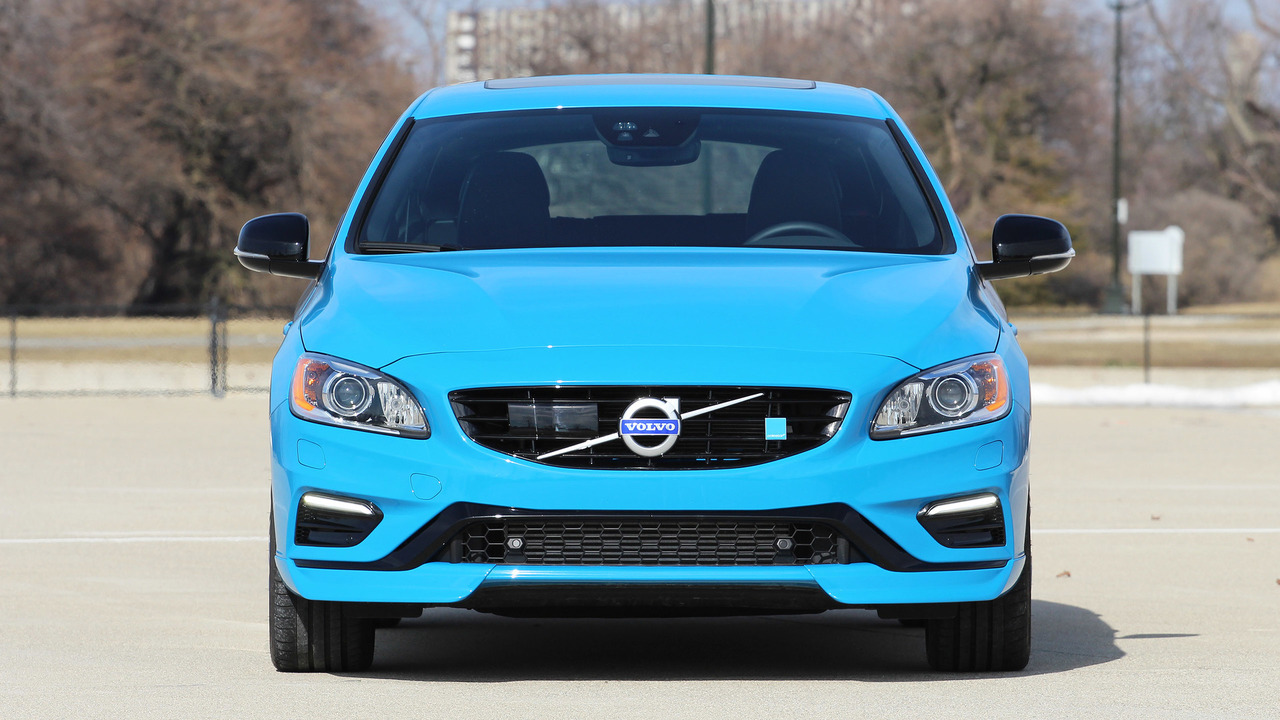
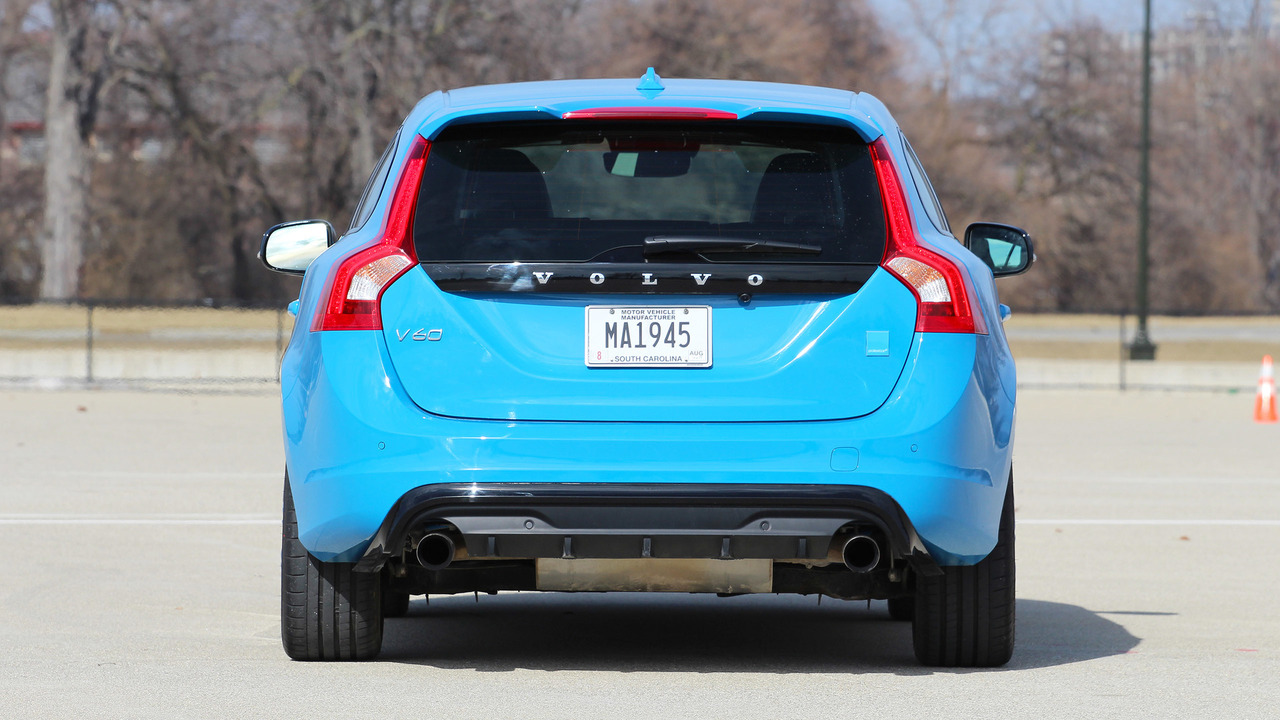
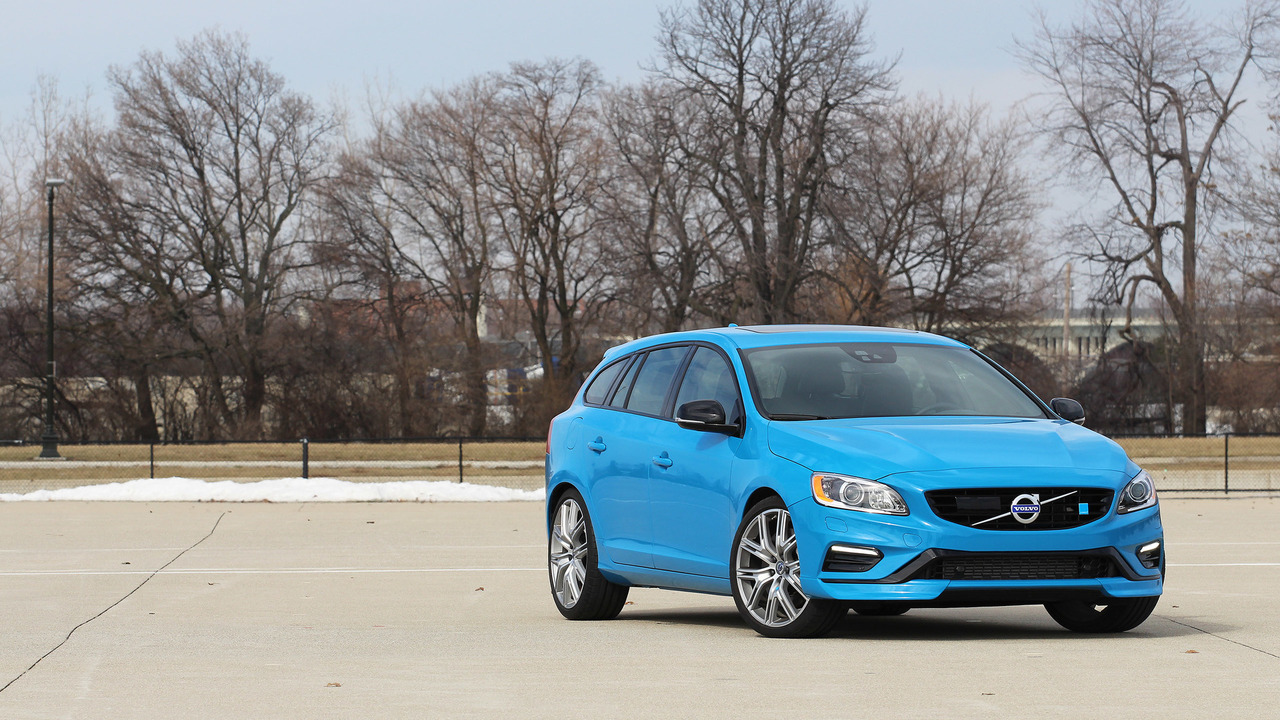
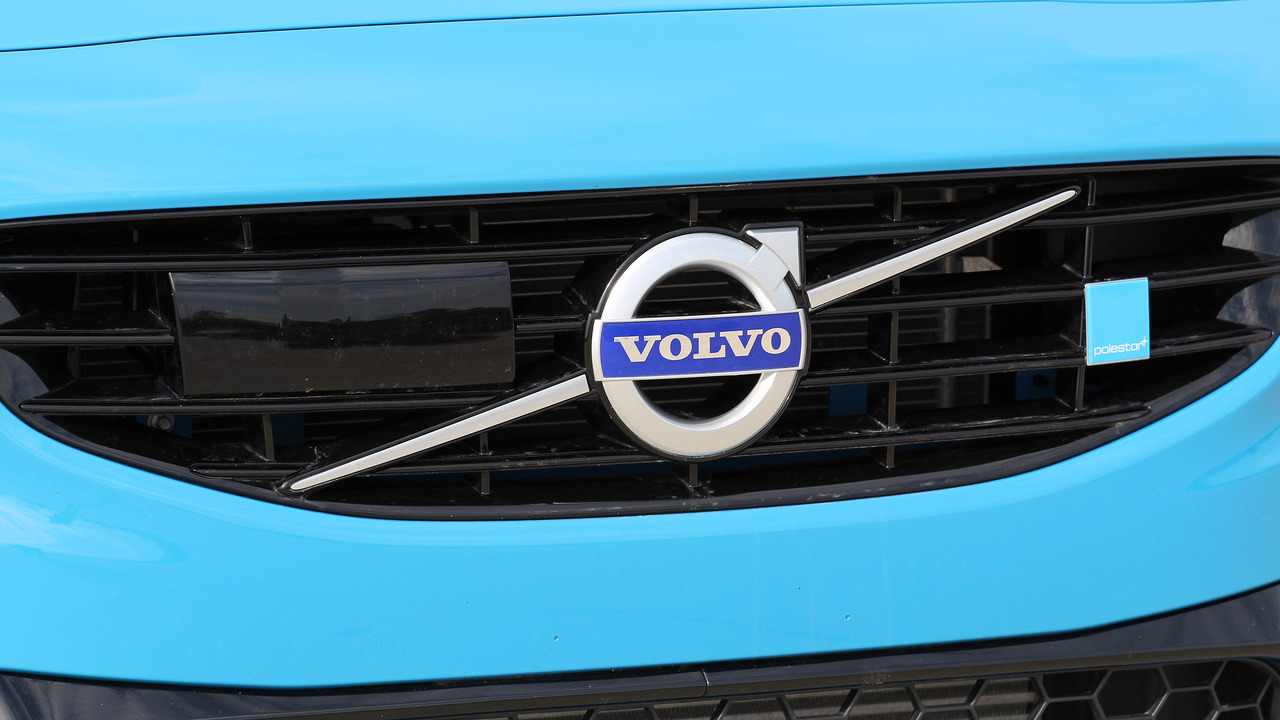
Performance wagons are having a bit of a moment, but buying a new one can get expensive quickly. Fortunately, depreciation has made one of the coolest performance wagons of the last decade surprisingly attainable. If you know where to look.
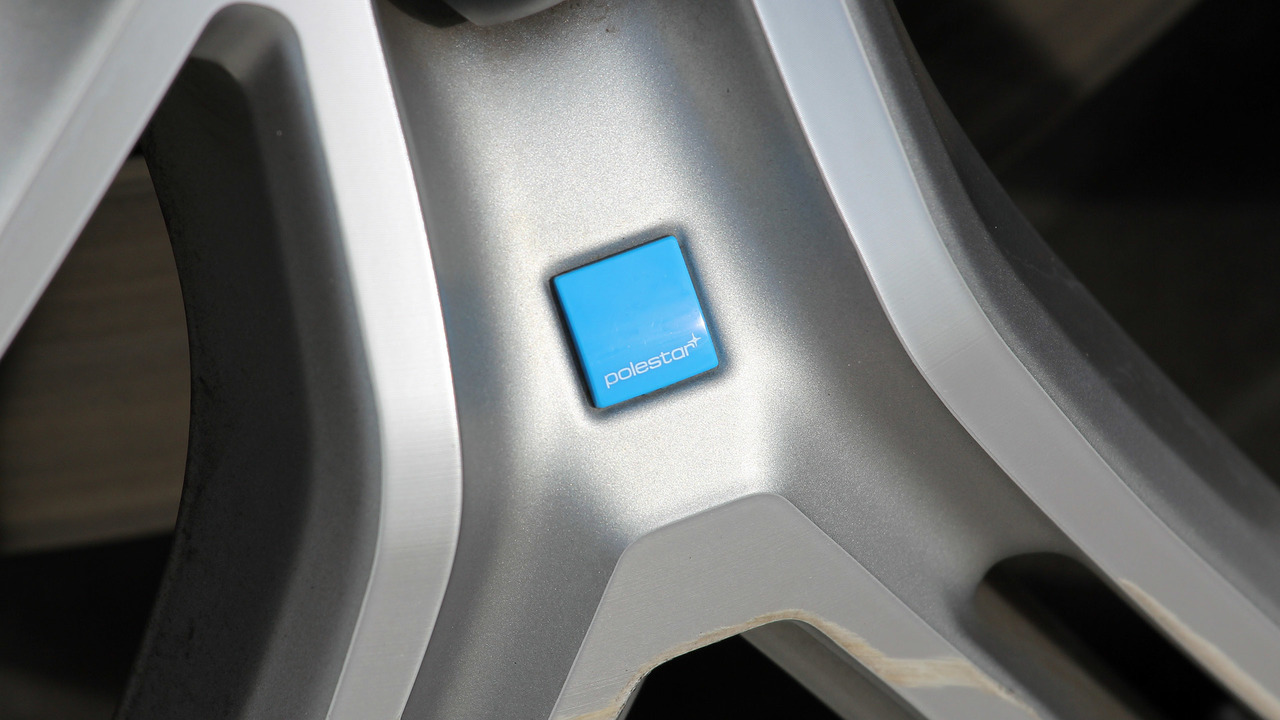
The first-generation Volvo V60 Polestar packed genuine performance hardware into an otherwise sensible Swedish family wagon. For 2017, that meant 362 horsepower, all-wheel drive, manually adjustable Öhlins dampers, big Brembo brakes, and enough cargo room to work as your only car.
There’s a good chance you won’t see another one on your daily commute. This makes it an intriguing, unique, but also extremely usable super sleeper.
Why Buy The Volvo V60 Polestar?
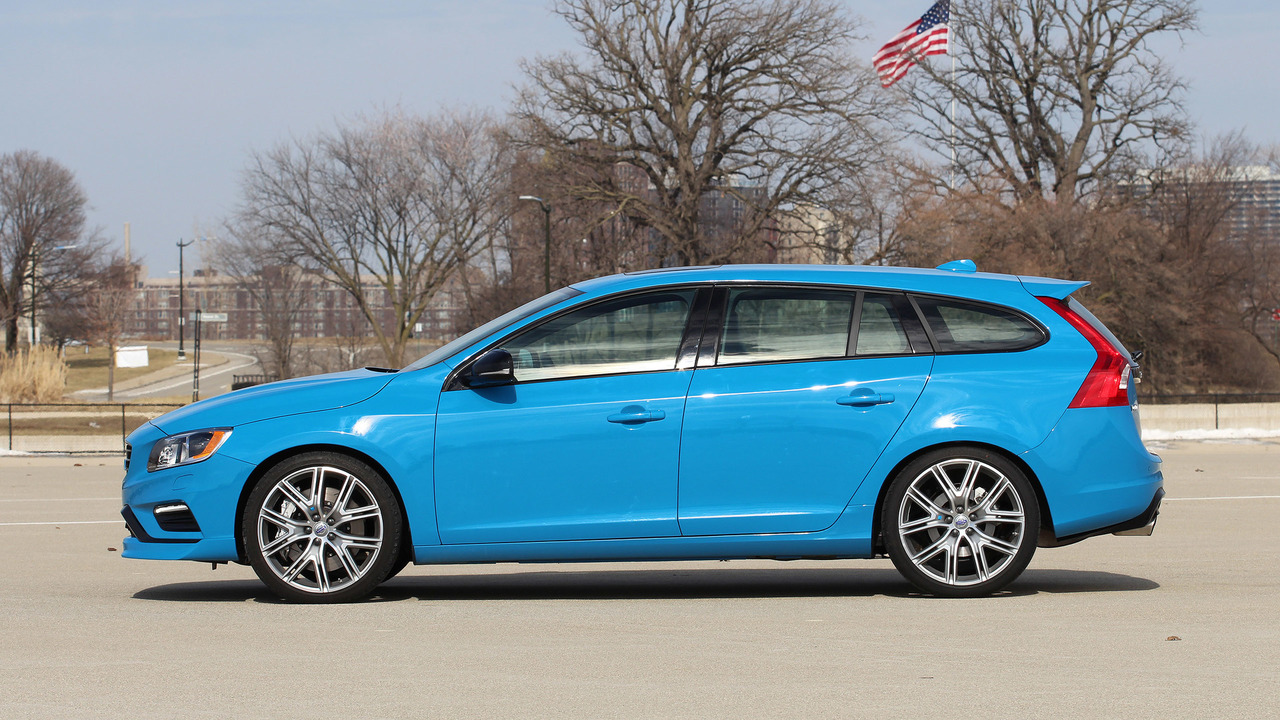
Because there still aren’t many cars that combine this much performance, practicality, and obscurity for the money.
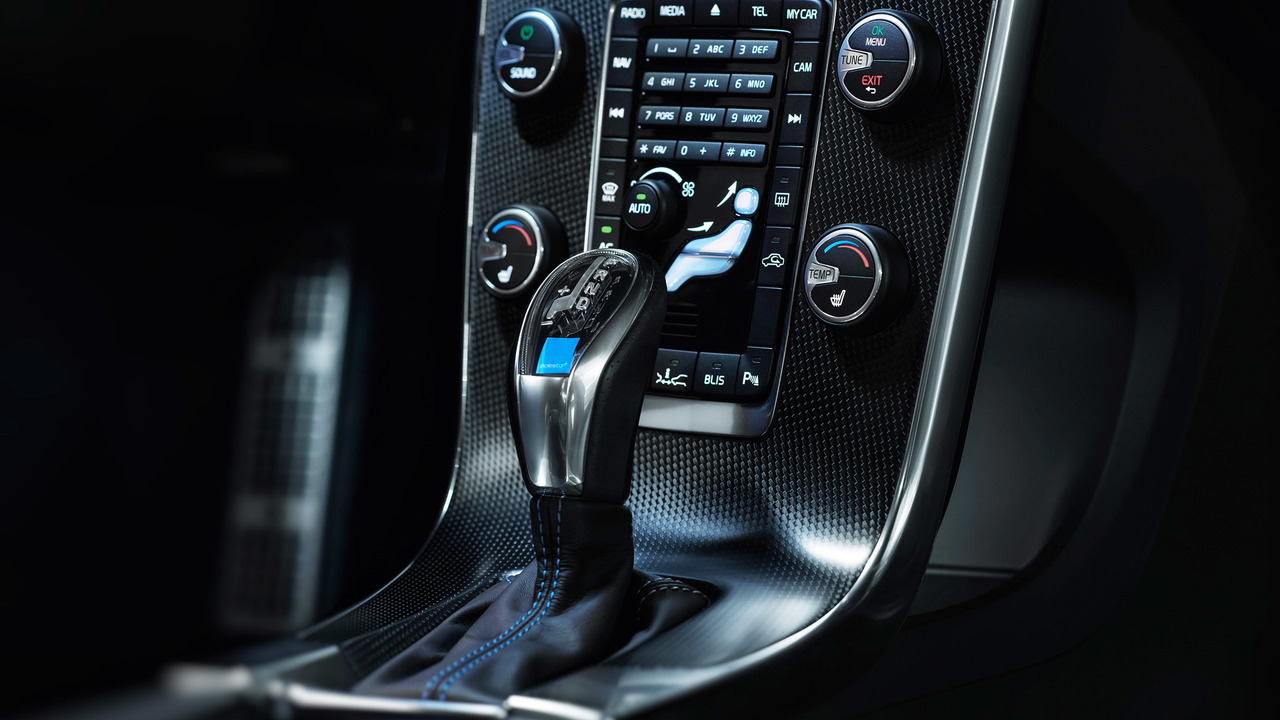
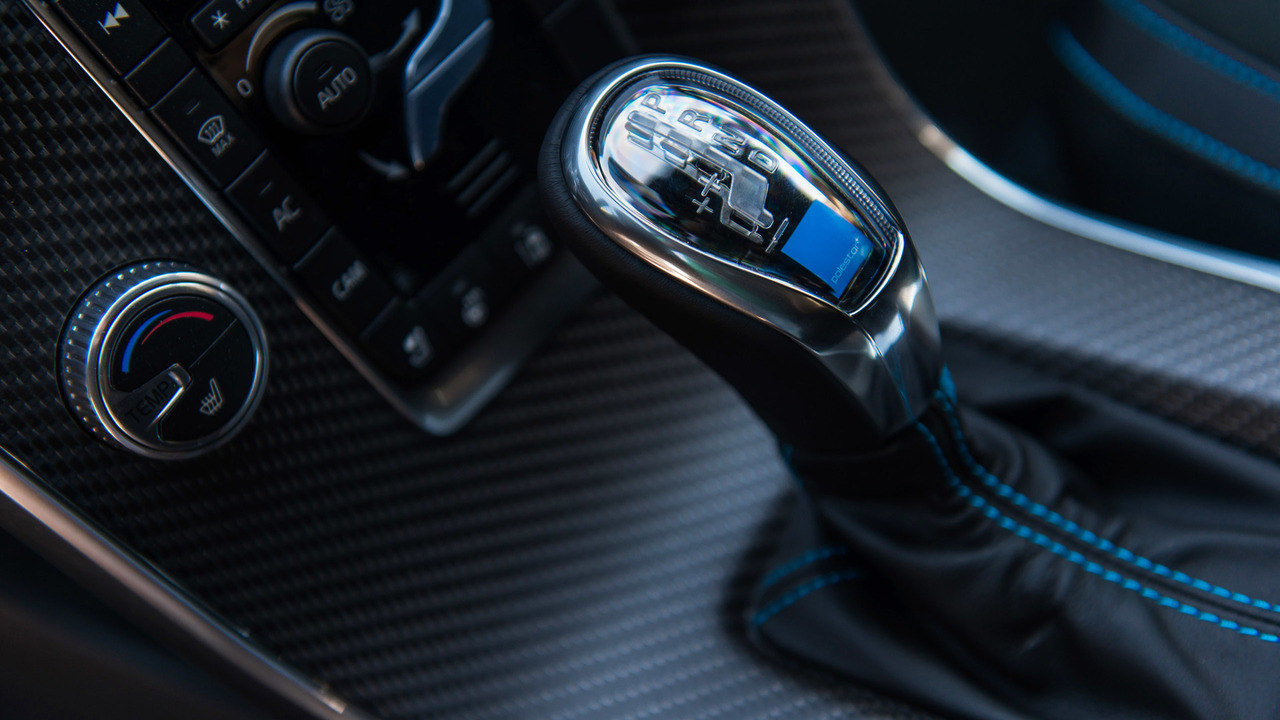
The 2017 V60 Polestar uses Volvo’s wonderfully strange 2.0-liter four-cylinder engine with both a turbocharger and a supercharger. Polestar extracted 362 horsepower and 347 pound-feet of torque from it, pairing the engine with an eight-speed automatic transmission and all-wheel drive.
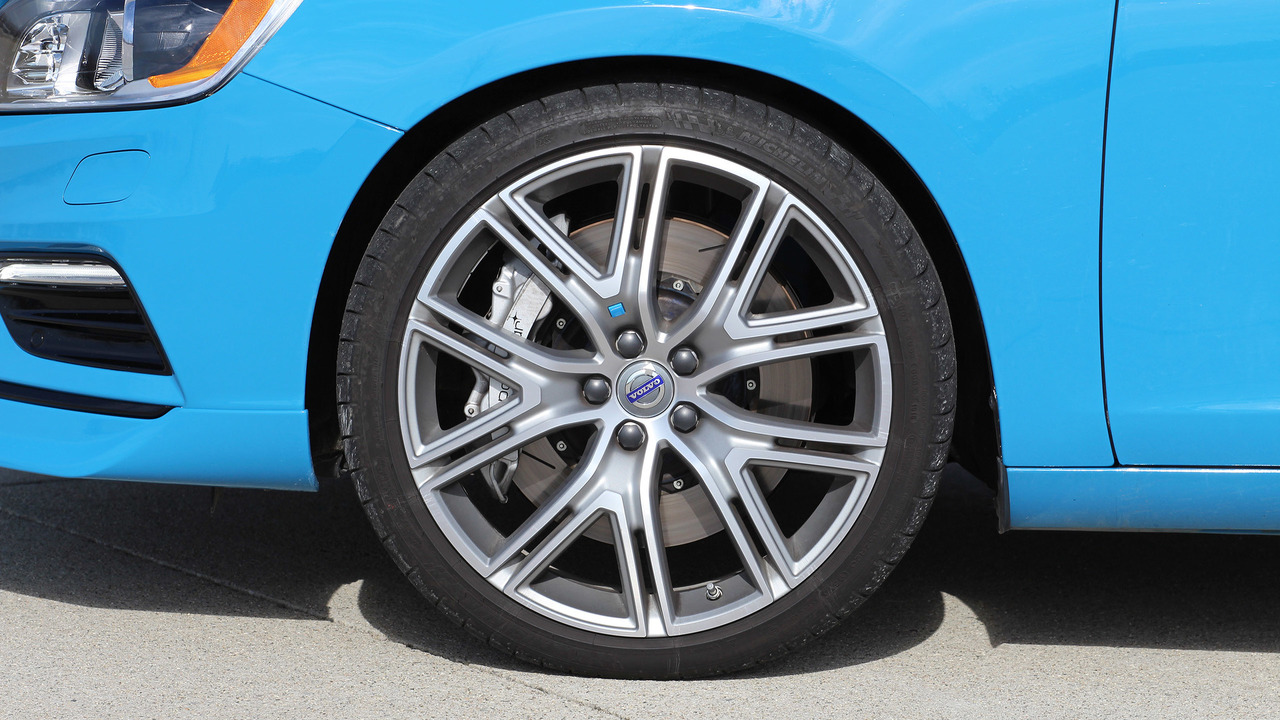
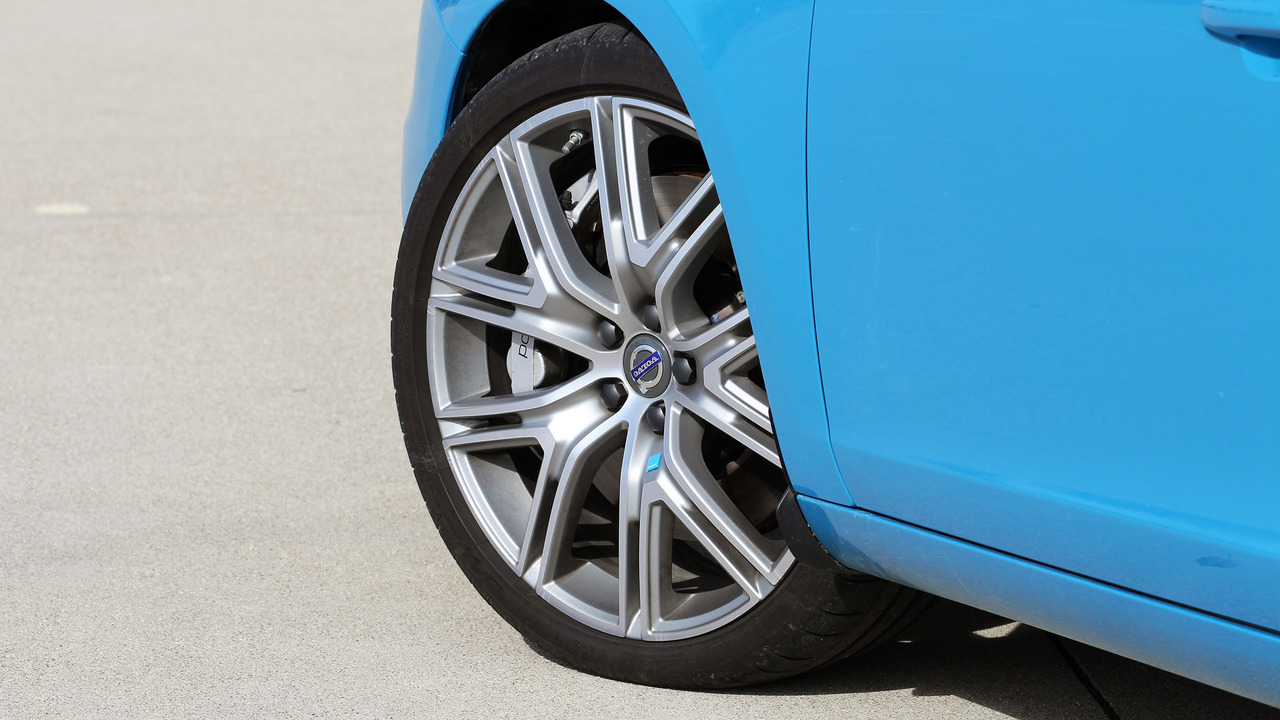
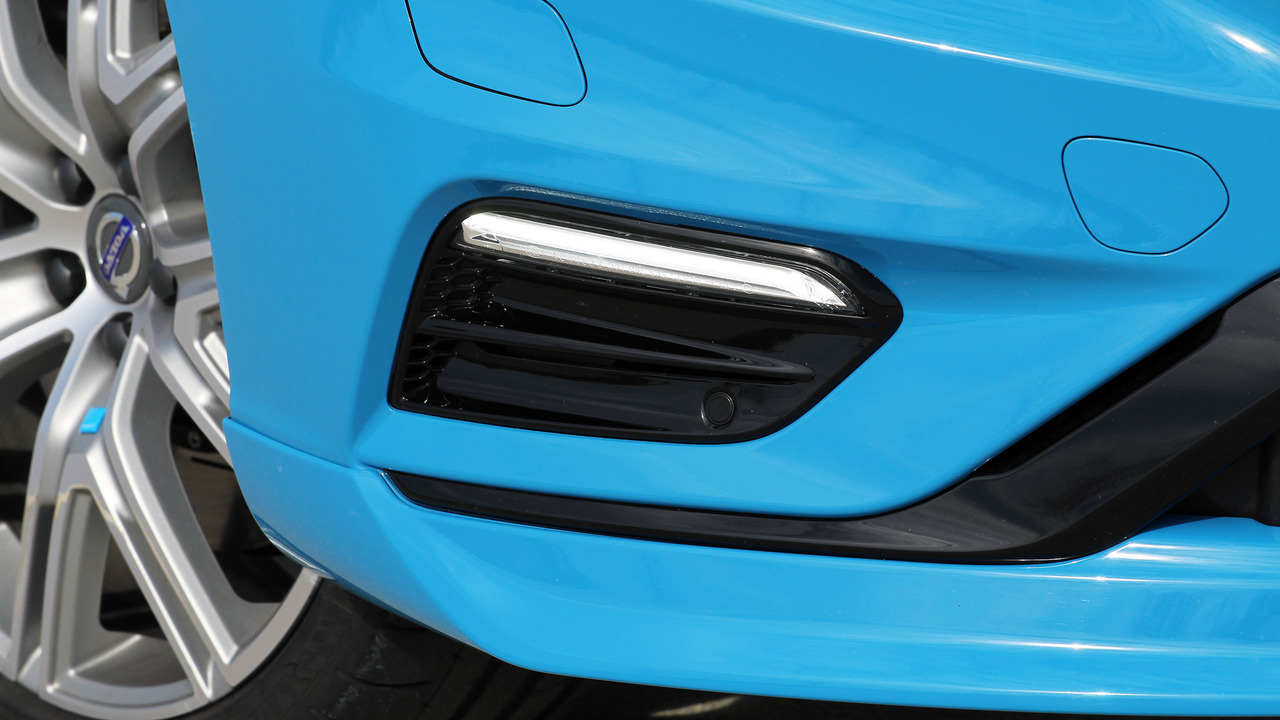
The V60 Polestar also received manually adjustable Öhlins dampers, significantly stiffer springs, Polestar-specific chassis tuning, 20-inch wheels, and six-piston Brembo front brakes. The all-wheel-drive system was also recalibrated to send more power toward the rear under hard driving.
The result was a wagon capable of reaching 60 miles per hour in roughly 4.5 seconds while still seating five people and offering a maximum cargo capacity of 43.8 cubic feet.
When we drove the V60 Polestar back in 2017, we called it “the complete package:”
The powertrain delivers ‘181 hp per liter of displacement—higher specific output than a McLaren 675LT.’
‘Lay into the throttle, get the forced induction working, and the rear end slams down to power you out of a tight corner.’
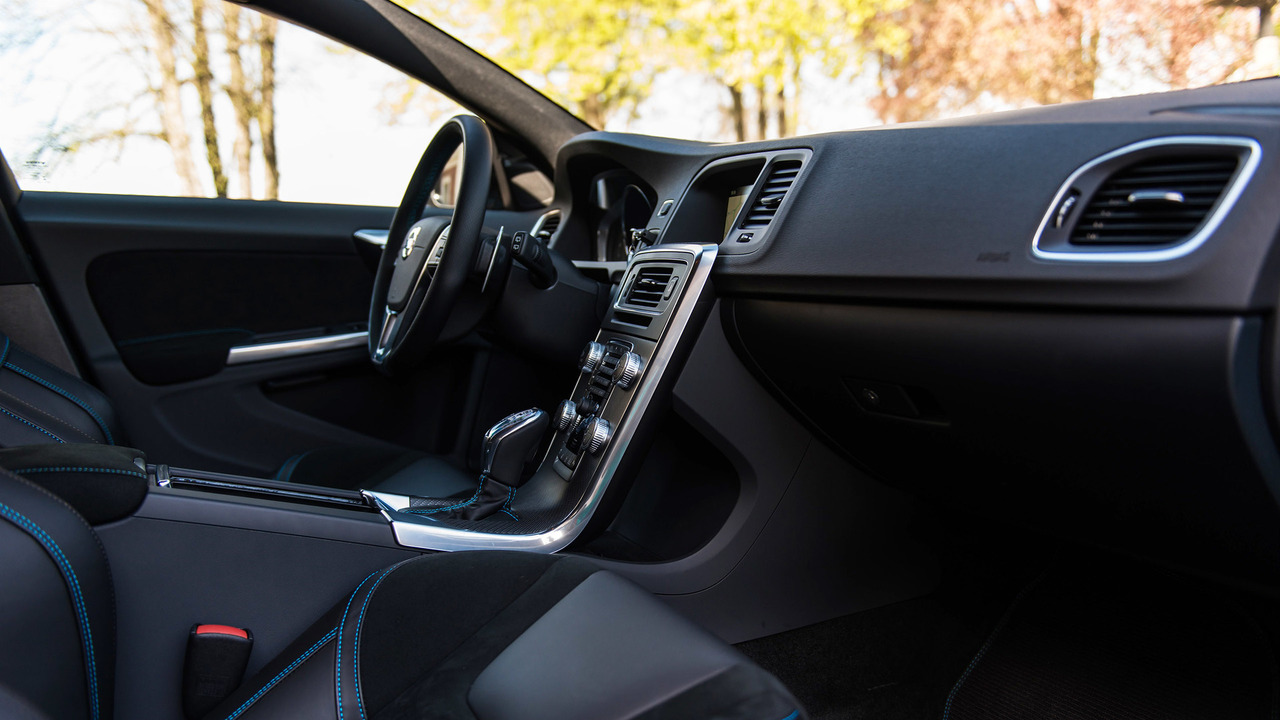
‘The seats in this generation of S60/V60 are some of the best thrones on the market today.’
How Much Is A Used Volvo V60 Polestar?

Kelley Blue Book currently lists a 2017 Volvo V60 T6 Polestar at a Fair Purchase Price of approximately $20,610. A good-condition example has a private-party value of around $18,850, while an excellent-condition car is closer to $20,100.
2016 Volvo V60 Polestar: $20,700
2017 Volvo V60 Polestar: $20,610
2018 Volvo V60 Polestar: $25,000
Given that this is an enthusiast car, though, those figures may not be totally accurate. A quick search tells us that prices for well-kept examples are closer to the mid-$30,000 mark. Things like mileage, condition, and location affect the price as well.
Of course, those figures still represent a substantial drop from the car’s original $62,595 MSRP. Considering what you’re getting—a rare AWD performance wagon with Öhlins dampers and Brembo brakes—roughly $30,000 is still a compelling entry price.
Check Out Used Volvo V60 Polestar Listings
Which Volvo V60 Polestar Should You Buy?

There are essentially two versions of the first-generation V60 Polestar worth considering.
The 2015 (.5) and 2016 models use Volvo’s turbocharged 3.0-liter inline-six. That engine produced 345 horsepower and 369 pound-feet of torque and was paired with a six-speed automatic transmission.
Then came a substantial powertrain change for 2017. Volvo replaced the inline-six with its twin-charged 2.0-liter four-cylinder. Output climbed to 362 hp, but torque dropped to 347 lb-ft, and the six-speed transmission was replaced with an eight-speed automatic. The newer powertrain also removed weight from the nose, helping improve the car’s handling balance.
There’s an argument to be made for either one. The earlier six-cylinder is arguably the more charismatic engine. It has two additional cylinders, plenty of torque, and a sound that the later four-cylinder simply can’t reproduce.
But the 2017 and 2018 cars are the ones I’d target if outright performance matters most. You get more horsepower, an eight-speed gearbox, and less weight over the front axle. The 2017 is especially appealing because depreciation has already brought its KBB value down to around $20,500.
What Could Go Wrong?
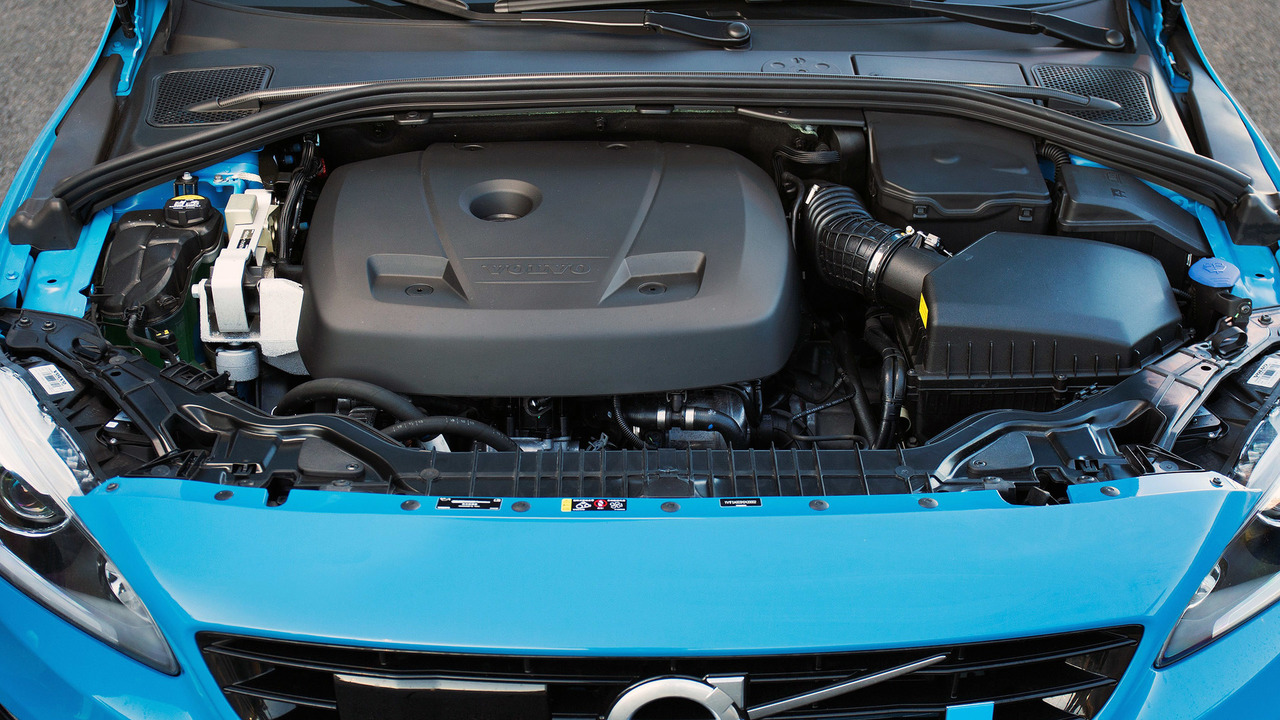
The V60 Polestar may cost around $20,000 to buy, but owners should remember that they’re still maintaining what was originally a $60,000-plus European performance car. So, be careful.
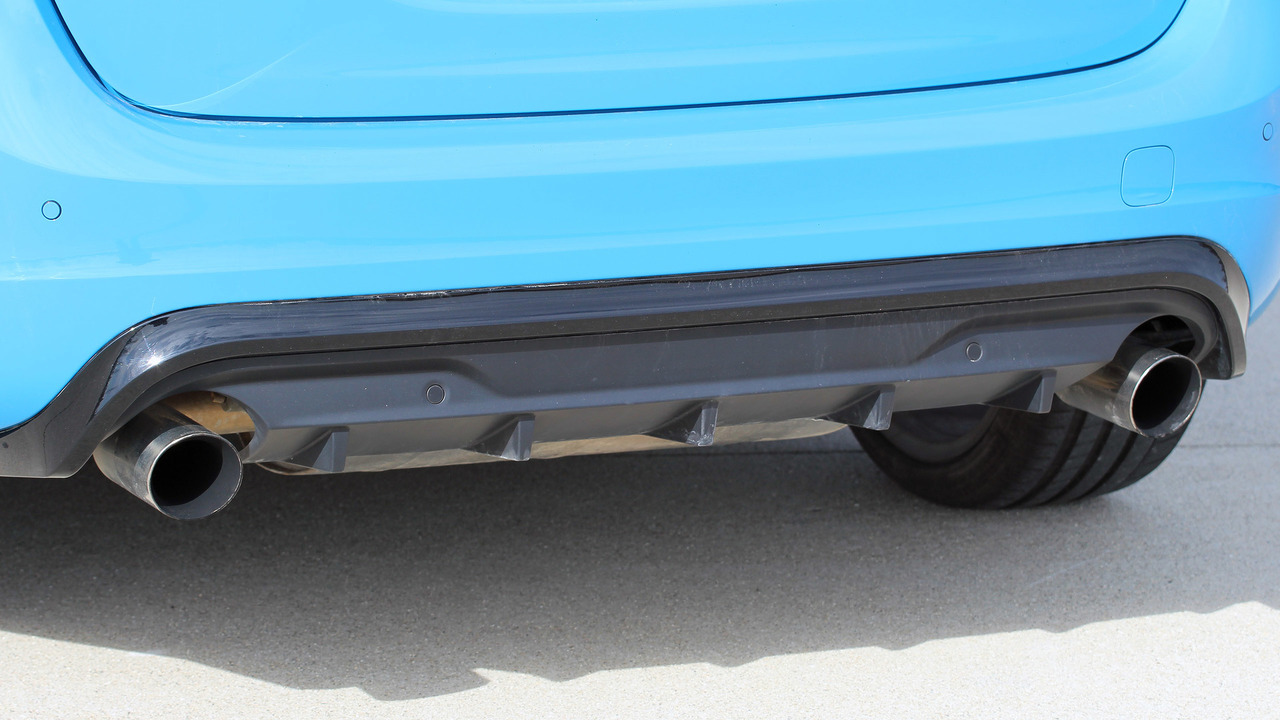
The biggest concern with the 2017 model is complexity. Its 2.0-liter engine uses both a turbocharger and a supercharger, and Polestar added a larger turbocharger, strengthened internal components, upgraded intake hardware, a higher-capacity fuel system, and a freer-flowing exhaust. There’s simply more hardware here than in an ordinary V60.
Then there’s the Polestar-specific suspension. Those manually adjustable Öhlins dampers were a major selling point when the car was new, but they’re also substantially more expensive to replace than conventional shocks.
The same applies to the brakes. Six-piston Brembo calipers and 14.6-inch front rotors give the V60 impressive stopping power, but servicing them won’t cost as much as it does on a base V60.
A documented maintenance history should be near the top of your shopping list. Check the AWD system, suspension, brakes, cooling system, and engine carefully, and look for evidence of any modifications or tuning.
What Are The Alternatives?

The problem with shopping for a V60 Polestar is that there aren’t many direct competitors.
A Mercedes-AMG E63 Wagon delivers substantially more performance and a V8 soundtrack, but used examples generally occupy a much higher price bracket and can be considerably more expensive to maintain.
The Cadillac CTS-V Wagon provides a supercharged V8, rear-wheel drive, and a manual transmission in particularly rare examples. But values have climbed dramatically as enthusiasts recognize how special those cars are.
For something newer and less exotic, a Volkswagen Golf R offers all-wheel drive, strong performance, and hatchback practicality. It isn’t a wagon, though, and it lacks much of the Volvo’s rarity and sleeper appeal.
There are a handful of Audi and BMW wagons from this era, too. None can match the stand-alone intrigue inherent in the V60 Polestar.
That’s the problem—and appeal—of the V60 Polestar. There really isn’t another $20,000 used car that replicates the entire package.
Audi A4 Allroad
BMW 328d xDrive Sports Wagon
Cadillac CTS-V Wagon
Mercedes-AMG E63 Wagon
Volkswagen Golf R
Why The Volvo V60 Polestar Makes Sense
On paper, buying a decade-old, twin-charged European performance wagon sounds like a questionable financial decision. But look at what roughly $30,000 gets you.
The V60 Polestar has 362 horsepower, all-wheel drive, Öhlins suspension, six-piston Brembo brakes, room for five people, and genuine wagon cargo capacity. It’s fast enough to keep up with many modern performance cars while remaining comfortable and practical enough for everyday driving.
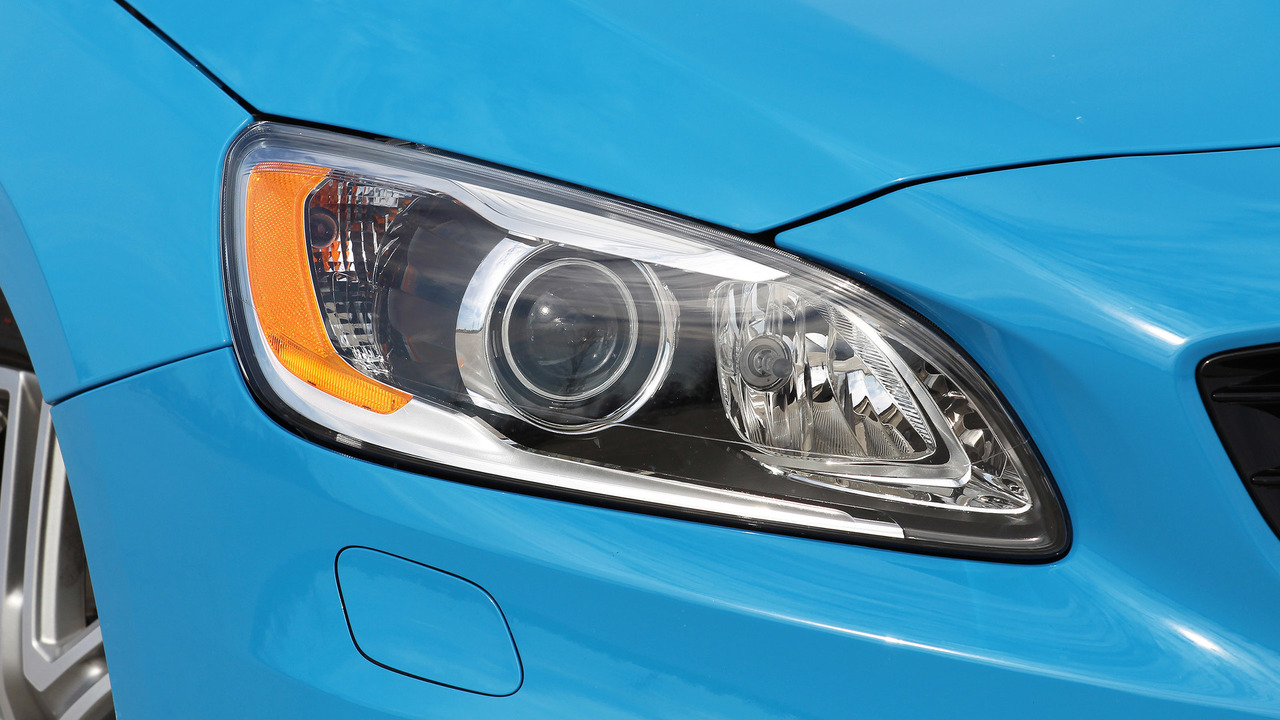
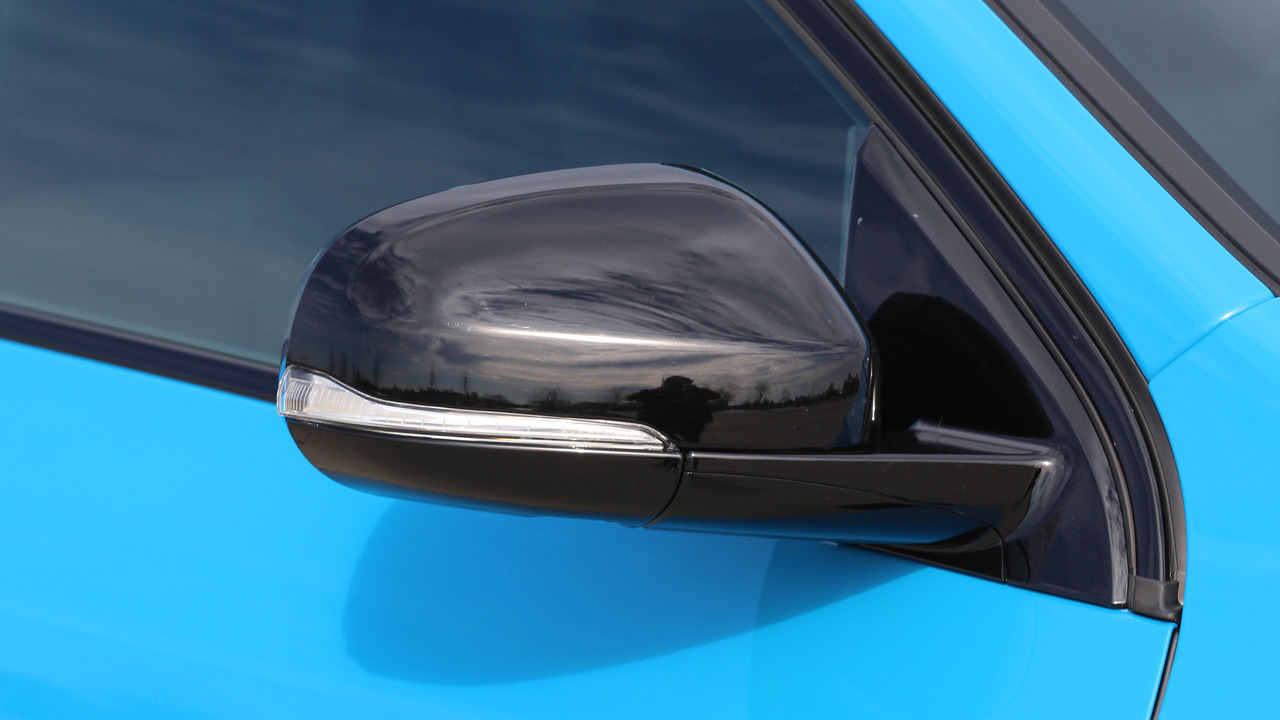
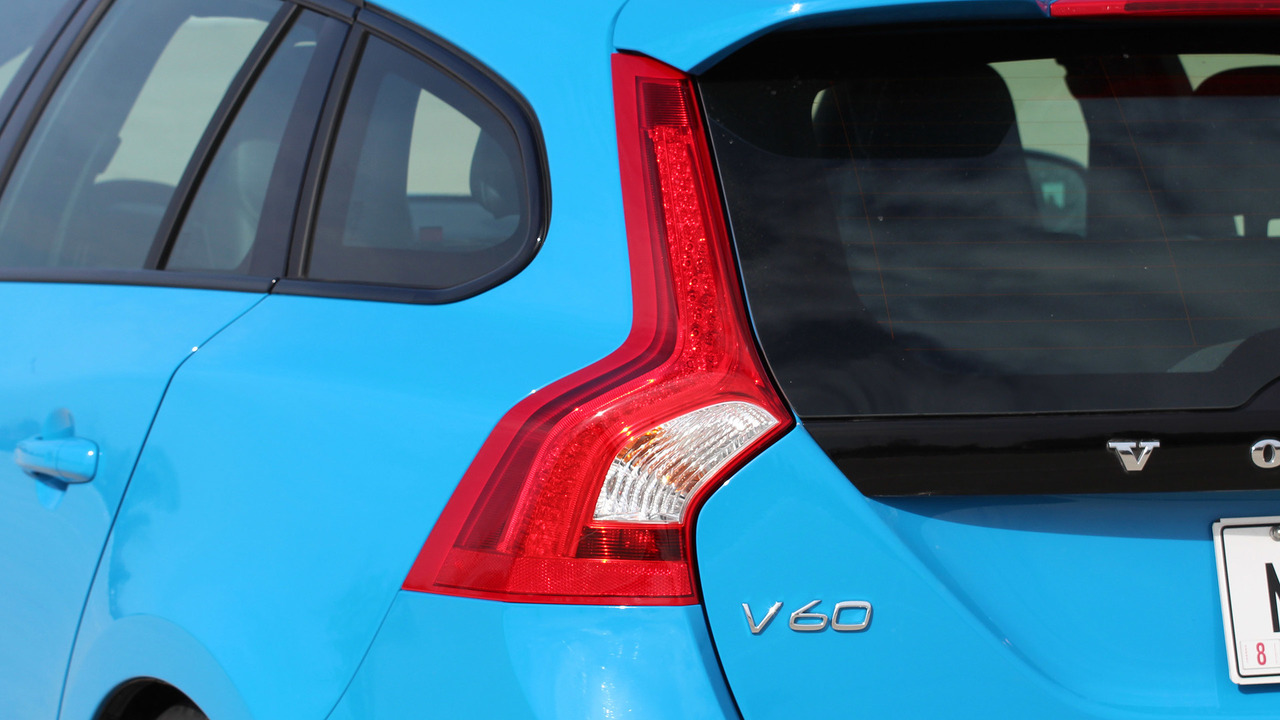
It’s also rare without being flashy. You can park one almost anywhere without attracting much attention (unless you get in Rebel Blue), yet the people who know what they’re looking at will immediately recognize that this isn’t an ordinary Volvo wagon.
If you want an AWD performance car that can haul your family, your luggage, and just about everything else without looking like you’re trying too hard, the V60 Polestar is difficult to beat.
A Used Audi RS3 Is A 400-HP Bargain. Here’s Why You Should Buy One
A Used Mercedes-AMG S65 Doesn’t Make Sense. Here’s Why You Should Buy One Anyway
A Used Lexus LS 500 Is A Luxury Bargain. Here’s Why You Should Buy One
The Acura NSX Finally Makes Sense As A Used Supercar. Here’s Why You Should Buy One
| Volvo V60 Polestar | |
| Engine | Twin charged 2.0-liter Inline-Four |
| Output | 362 Horsepower / 347 Pound-Feet |
| Transmission | Eight-Speed Automatic |
| Speed 0-60 MPH | 4.5 Seconds |
| Drive Type | All-Wheel Drive |
| Weight | 3,971 Pounds |
| Seating Capacity | Five |
| Base Price | $61,600 (2017) |