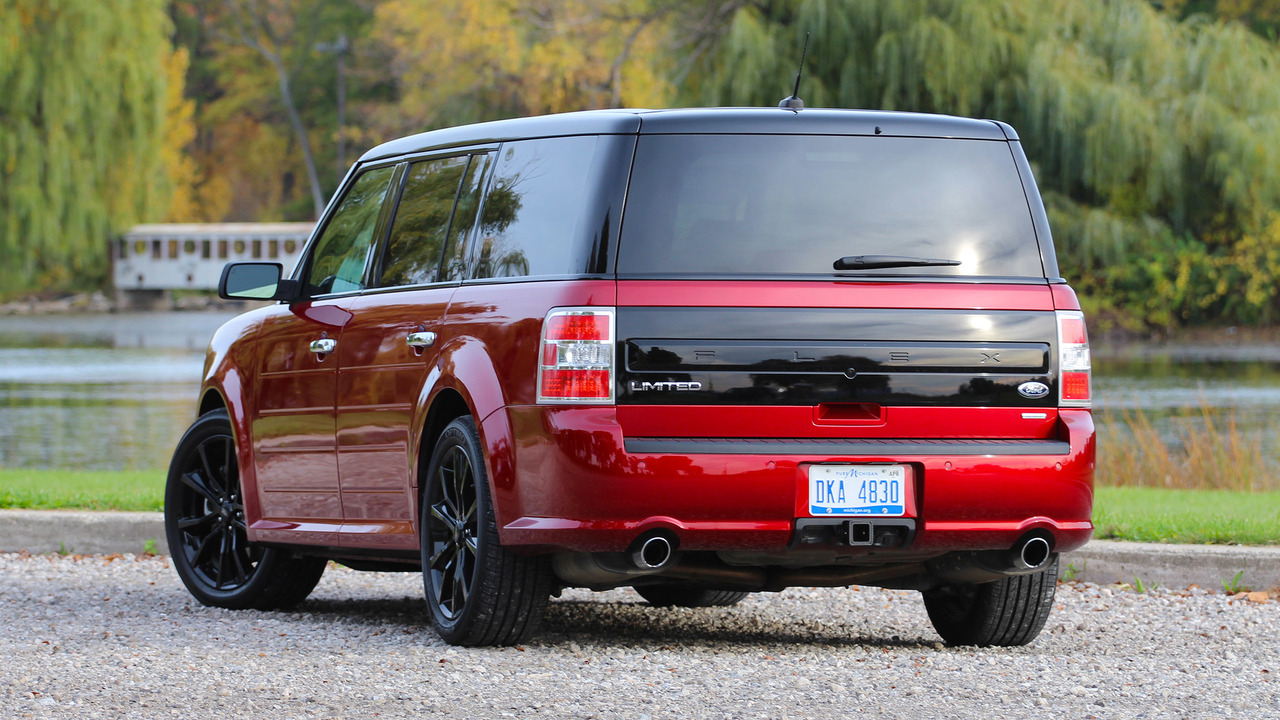
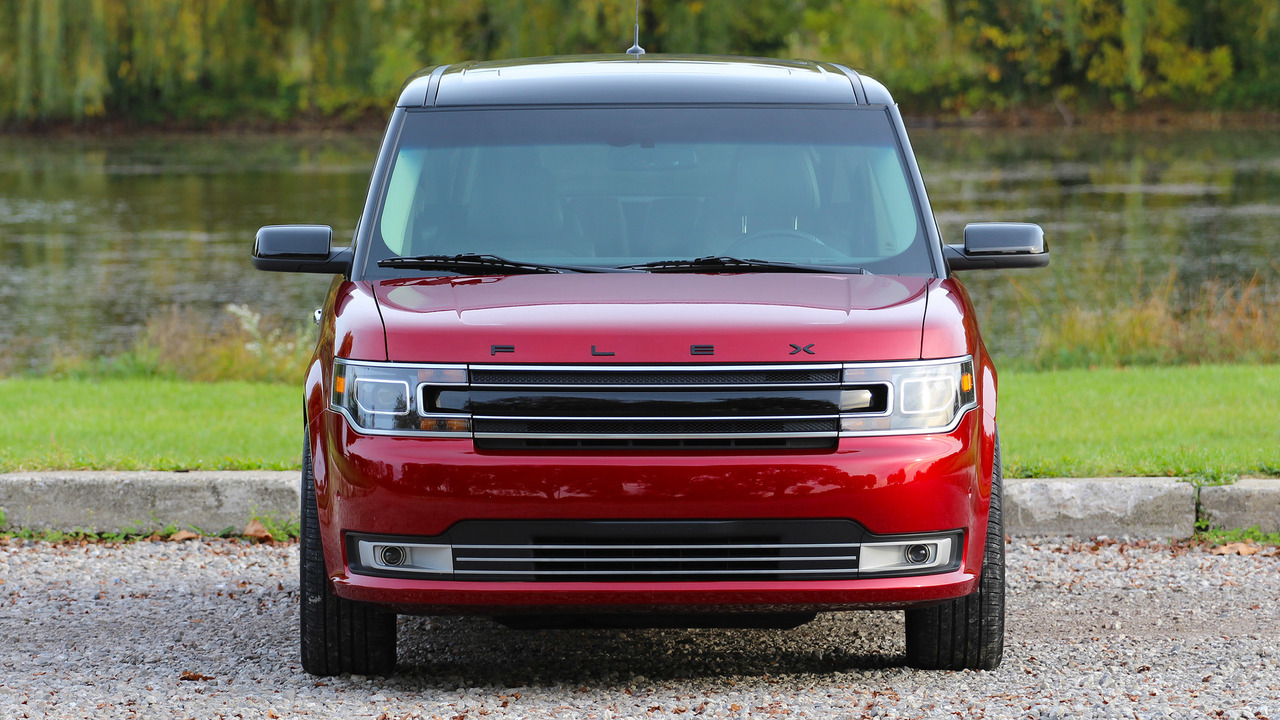
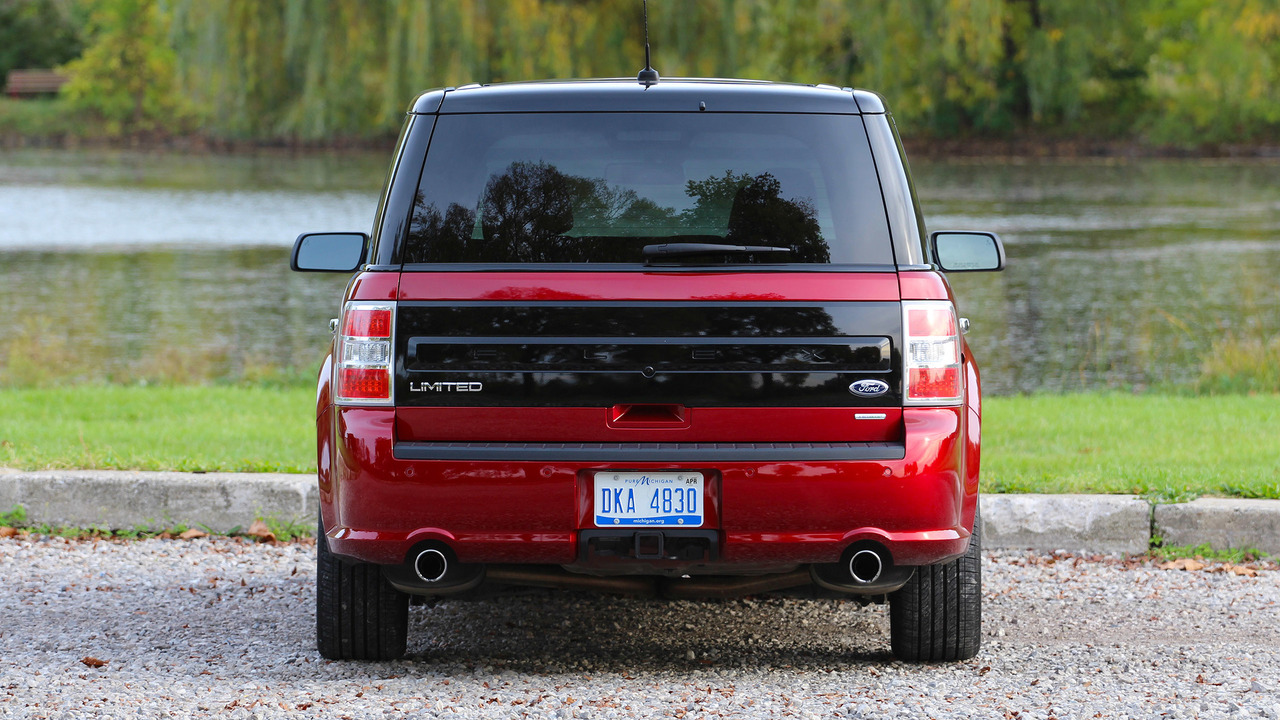
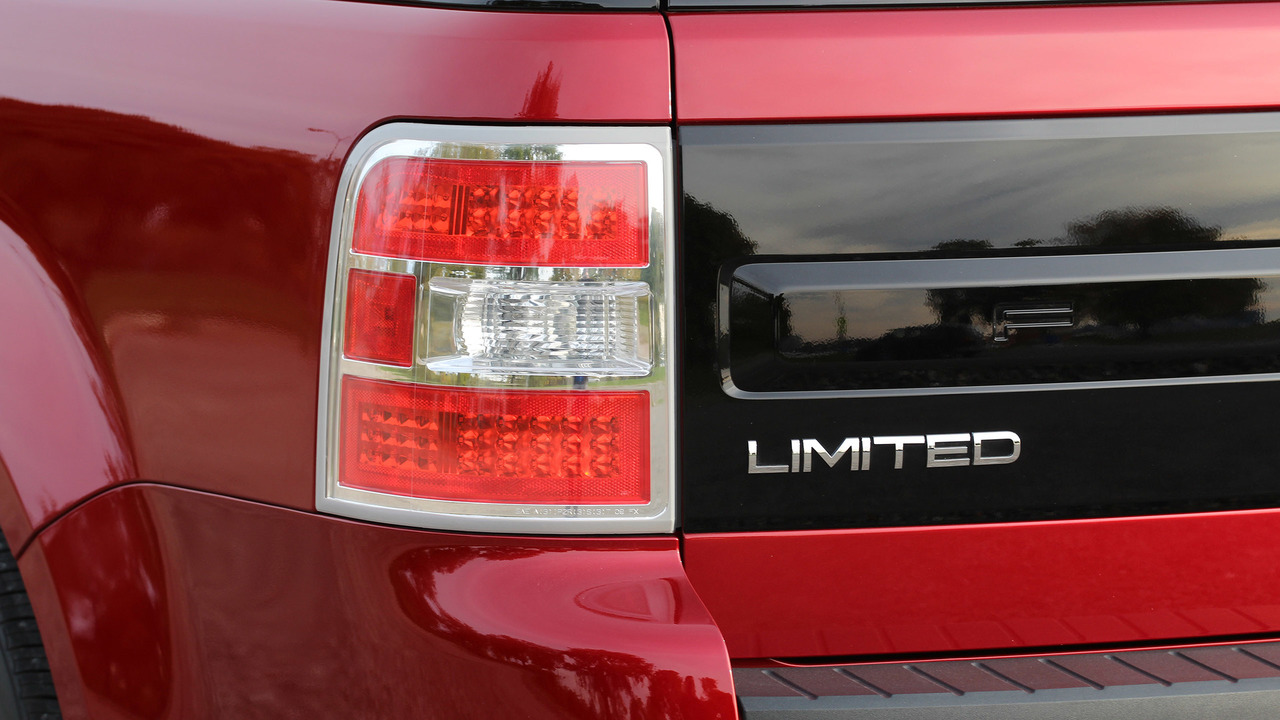
The Ford Flex was always an underappreciated oddball. It wasn’t quite an SUV, wasn’t quite a station wagon, and certainly wasn’t a minivan—at least, that’s what Ford wanted you to believe. But that’s exactly what made it great, and perhaps even a bit ahead of its time.
Introduced for the 2009 model year, the Flex combined the practicality of a traditional family hauler with the styling of a giant, retro-inspired refrigerator. It offered three rows of seating, a remarkably comfortable ride, and, perhaps most surprisingly, an available twin-turbocharged V6 with 365 horsepower.
Unfortunately, the Flex never became the sales success Ford hoped for, and production ended in 2019. But its relative obscurity makes it a compelling used-car purchase today. A decade ago, a fully loaded Flex could cost more than $50,000. Today, you can find nice examples for a fraction of that price.
Why Buy The Ford Flex?
Because sometimes you need a minivan, but you absolutely refuse to drive one.
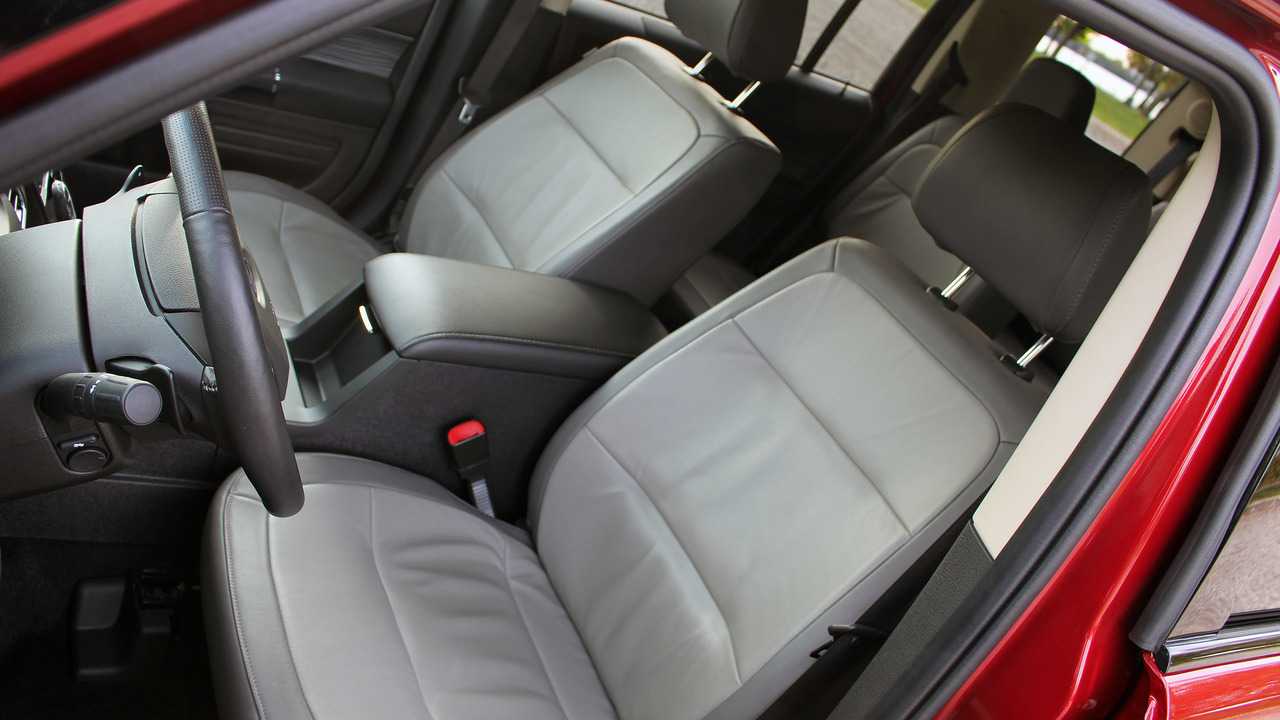
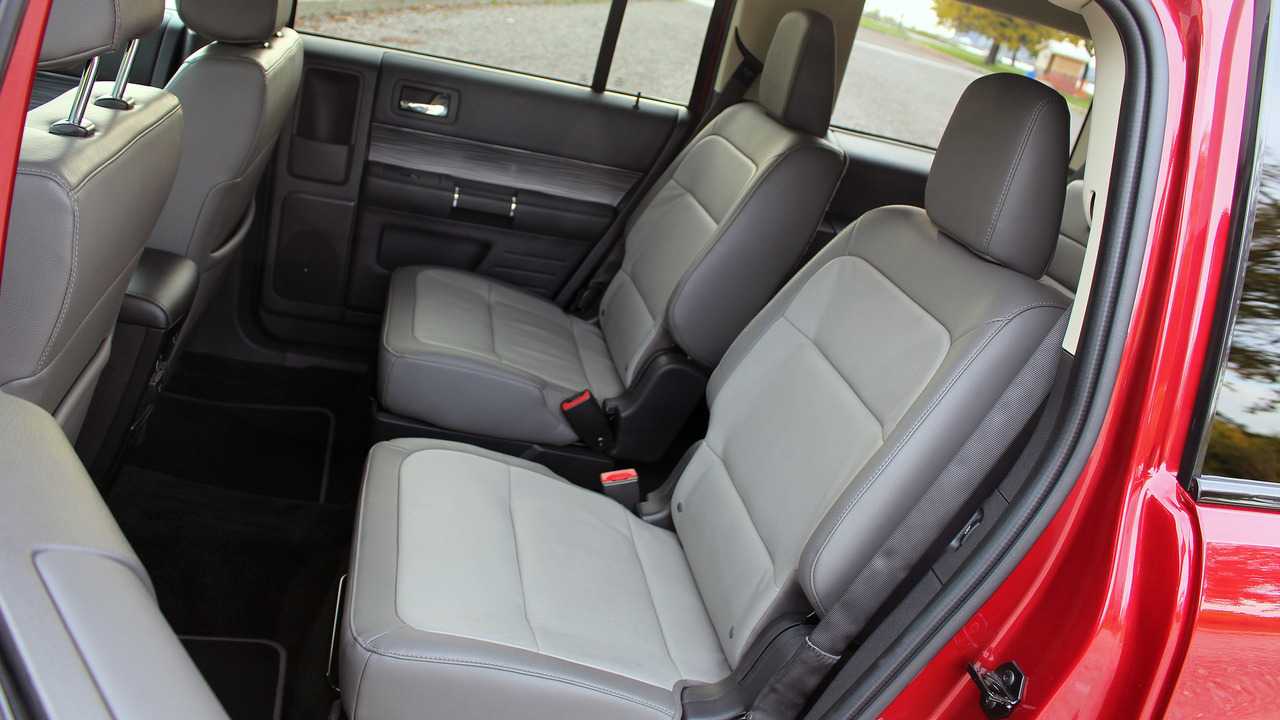
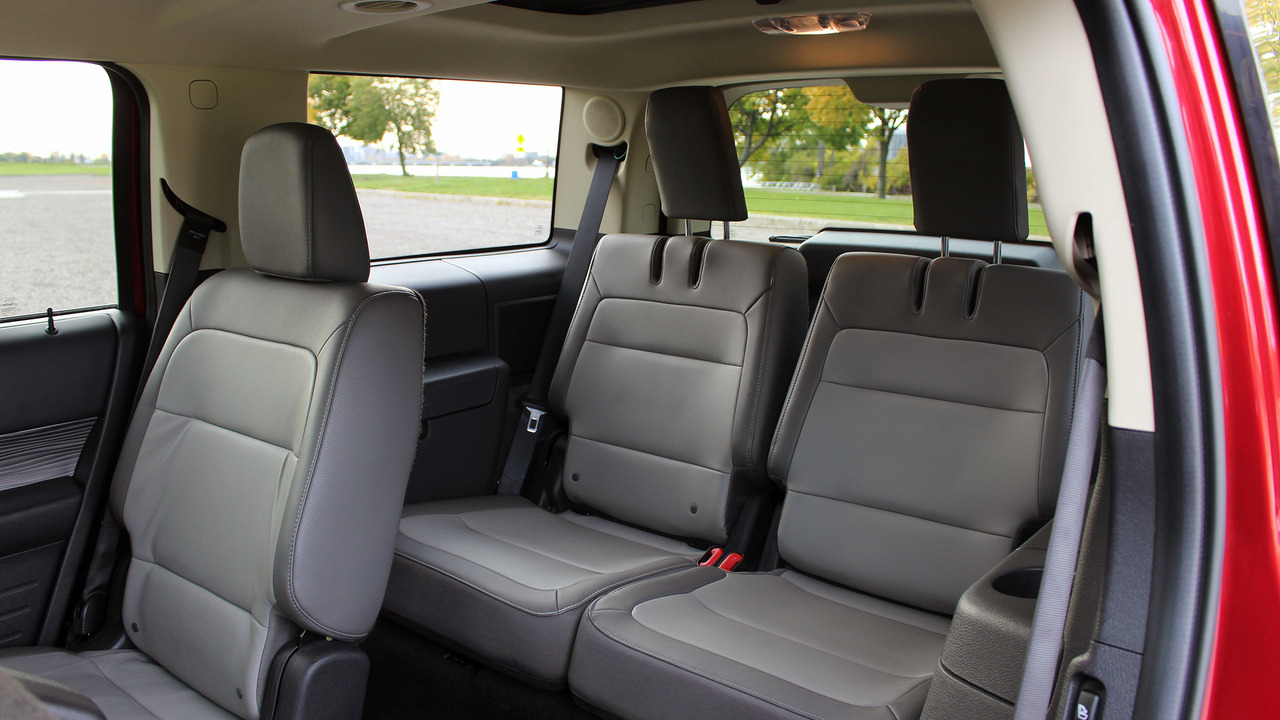
The Flex’s biggest, well, flex is its incredible practicality. With seating for six or seven passengers, depending on the second-row configuration, it offers nearly everything you’d want from a traditional minivan without the sliding doors or soccer-practice stigma.
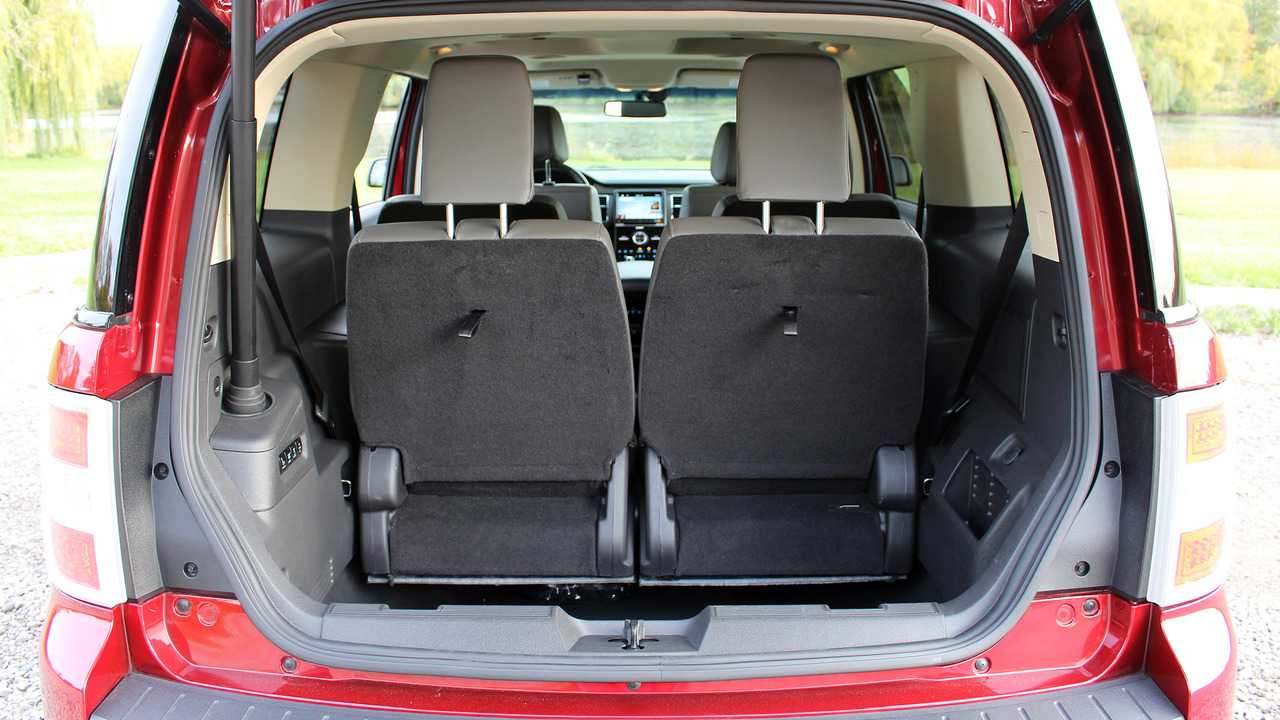
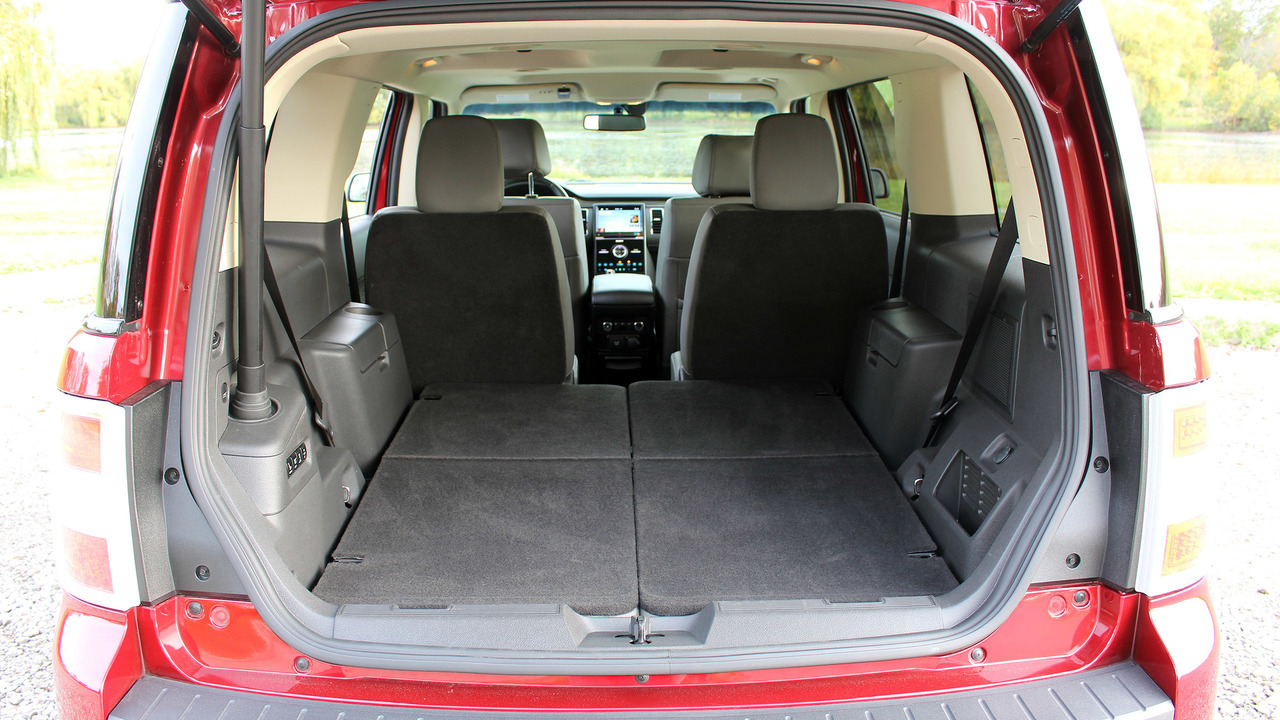
There are 20.0 cubic feet of cargo space behind the third row, 43.2 cubic feet behind the second row, and a maximum of 83.2 cubic feet with both rear rows folded. The Flex’s long roofline, relatively low ride height, and huge windows make it an excellent family road-trip vehicle.
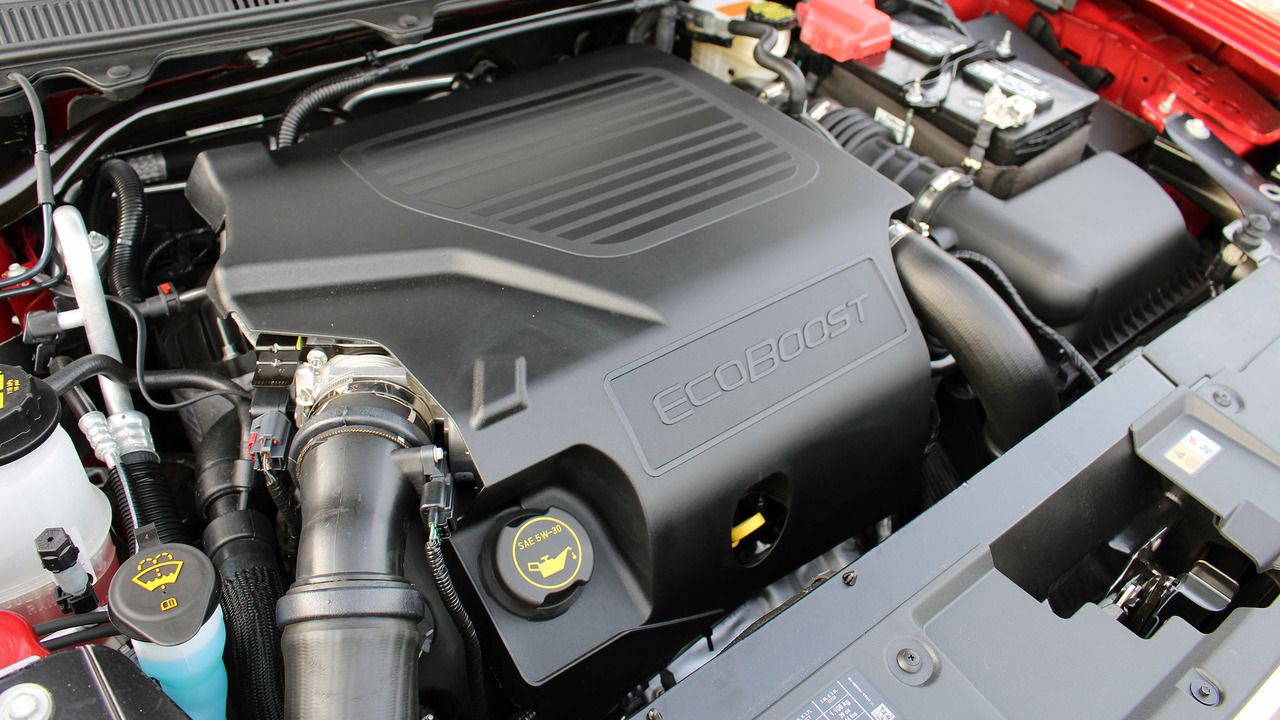
But the real reason to buy one is the engine. The standard 3.5-liter naturally aspirated V6 is fine, making 287 horsepower and 254 pound-feet of torque in later models. But it’s the optional 3.5-liter twin-turbocharged EcoBoost V6 that you want.
That mill makes 365 hp and 350 lb-ft of torque. Paired exclusively with all-wheel drive and a six-speed automatic transmission, it delivers acceleration to the Flex that seems completely inappropriate for something shaped like a shoebox.
When we reviewed the 2016 Ford Flex, we were particularly impressed with its performance, comfort, and distinctive styling.
‘More wagon than crossover, and with a biturbocharged heart, it’s way cooler than any minivan out there.’
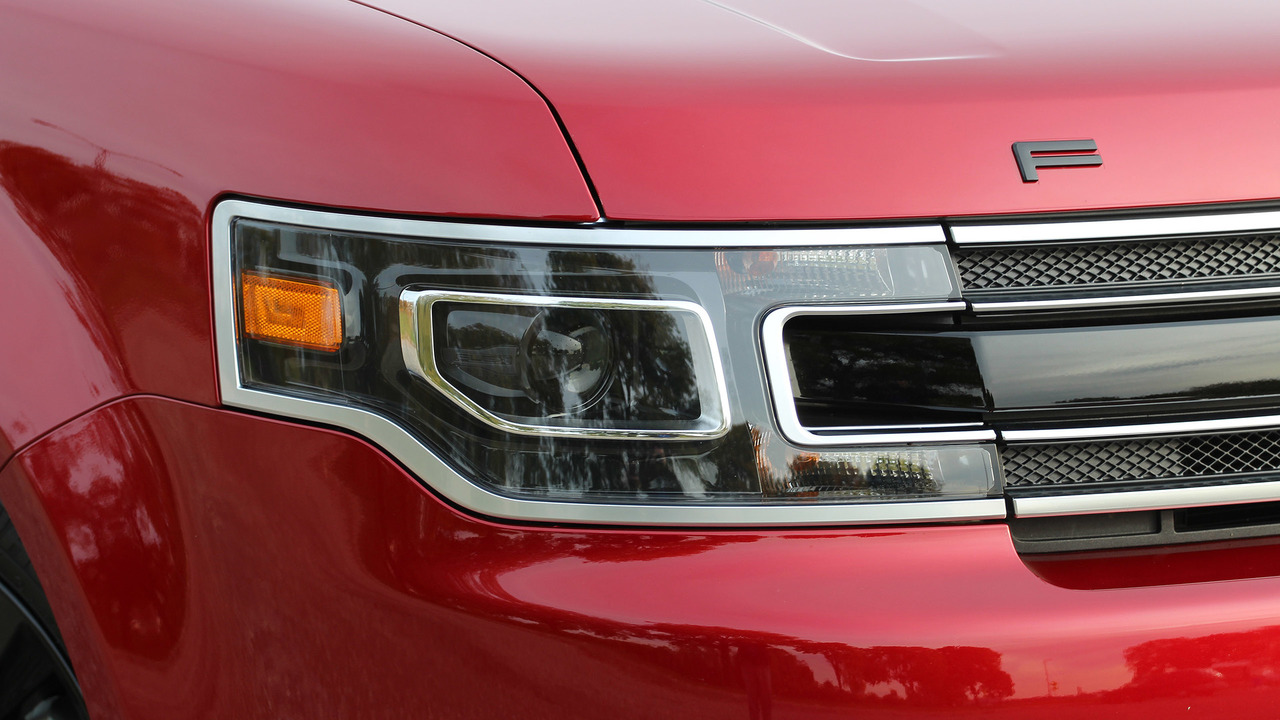
‘The Flex looks rad, way better than any minivan, and with more visual interest than most frumpy mainstream crossovers.’
‘I feel like I have a million inches of shoulder- and hip room, and there’s plenty of space in all three rows.’
Even today, the Flex remains an exceptionally comfortable highway cruiser. It feels more like a large station wagon than a traditional SUV, with a low center of gravity, comfortable seats, and surprisingly composed handling. And unlike most modern three-row crossovers, you won’t lose yours in a crowded parking lot.
How Much Is A Used Ford Flex?

The Flex never commanded particularly strong resale values, which is great news for anyone shopping for one today. According to Kelley Blue Book, even relatively recent examples have depreciated significantly.
Here’s roughly what buyers can expect to pay for a used Ford Flex Limited, based on KBB’s national Fair Purchase Price estimates:
2013 Ford Flex Limited: $6,575
2015 Ford Flex Limited: $7,575
2016 Ford Flex Limited: $10,250
2017 Ford Flex Limited: $10,900
2019 Ford Flex Limited: $16,900
Earlier models can be found for substantially less, while clean, low-mileage, final-year EcoBoost versions may command a premium. Still, consider what you’re getting. The 2016 Flex Limited AWD that we tested had an as-tested price of $50,840. Today, you can purchase a similar vehicle for a fraction of that.
Check Out Used Ford Flex Listings
Which Ford Flex Should You Buy?
Personally, I’d look for a 2016 or newer Ford Flex Limited with the EcoBoost V6.
The Flex received its most significant update for 2013, bringing revised styling, an updated interior, more power for the naturally aspirated engine, and additional technology. But the 2016 model year is the sweet spot.
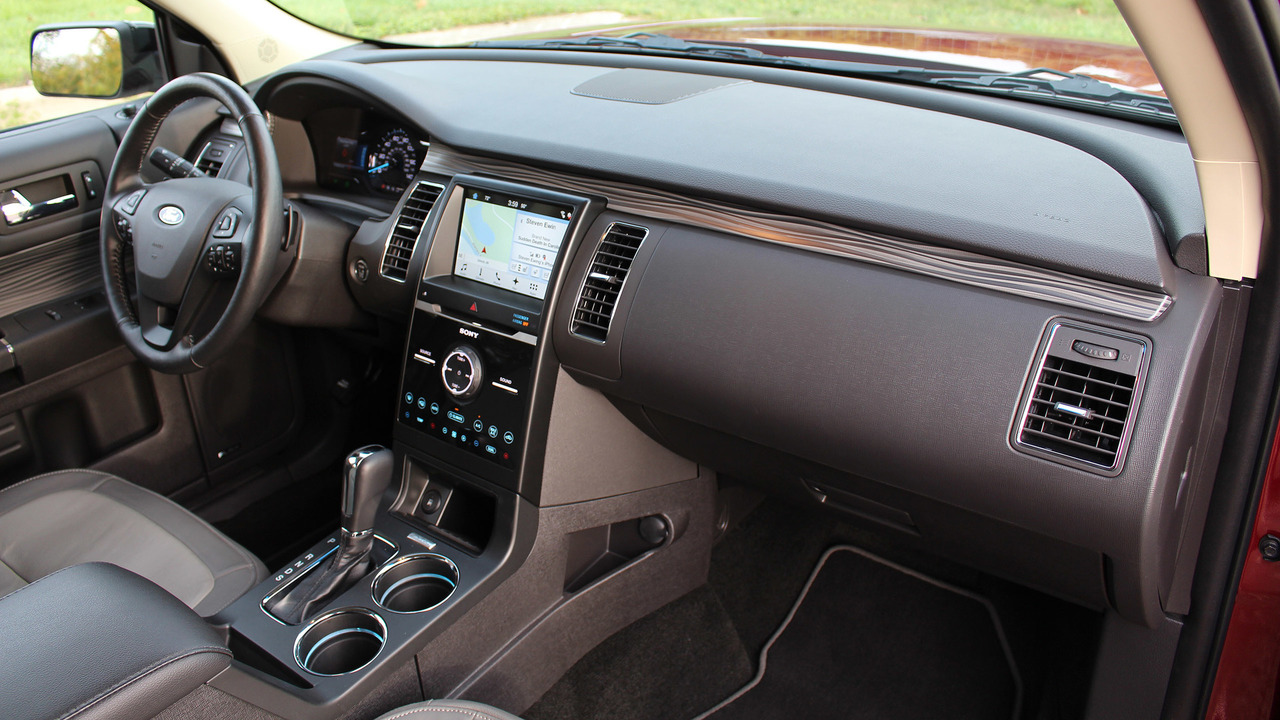
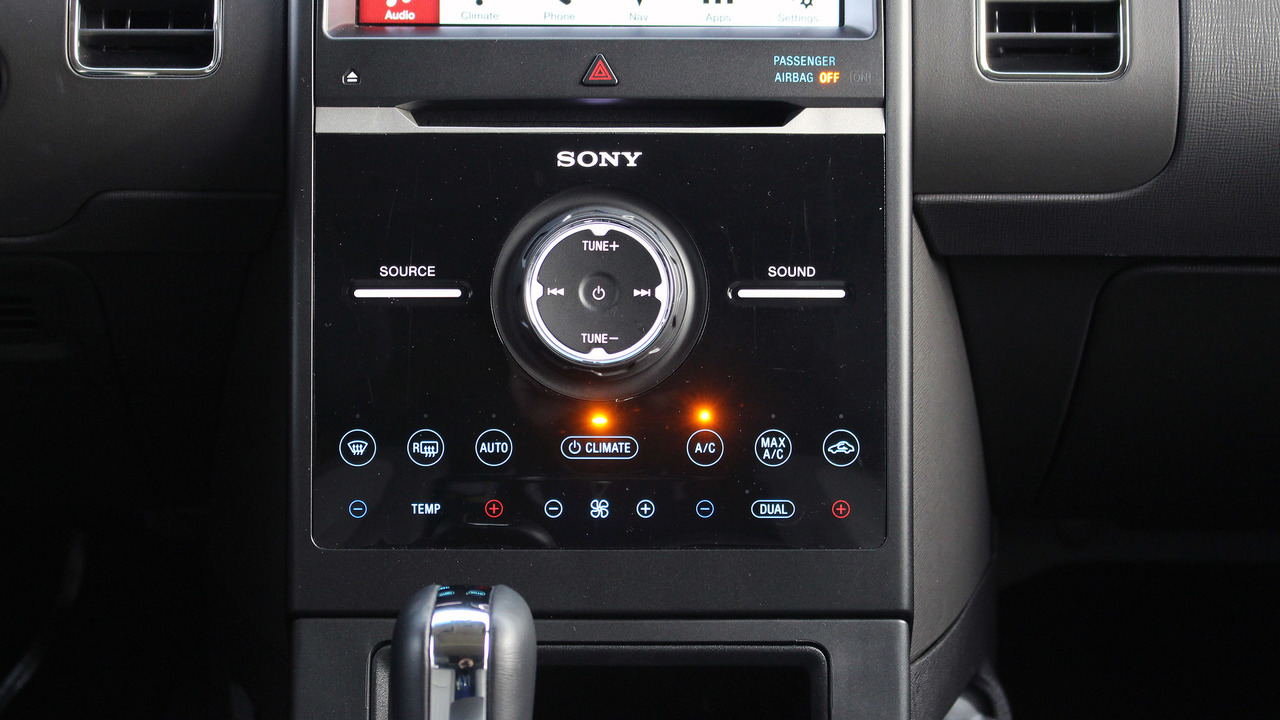
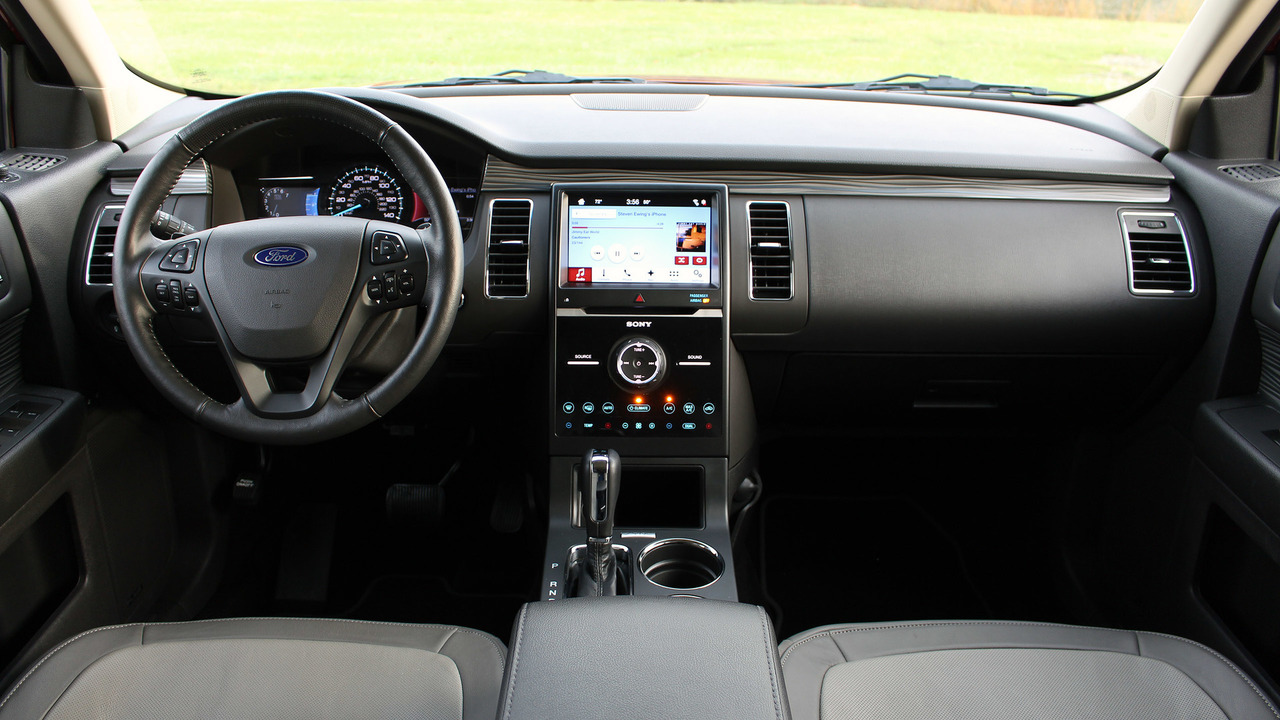
That’s when Ford replaced the frustrating MyFord Touch infotainment system with the much-improved Sync 3 interface. The Flex also gained a standard rearview camera. Otherwise, the formula remained largely unchanged through the end of production in 2019.
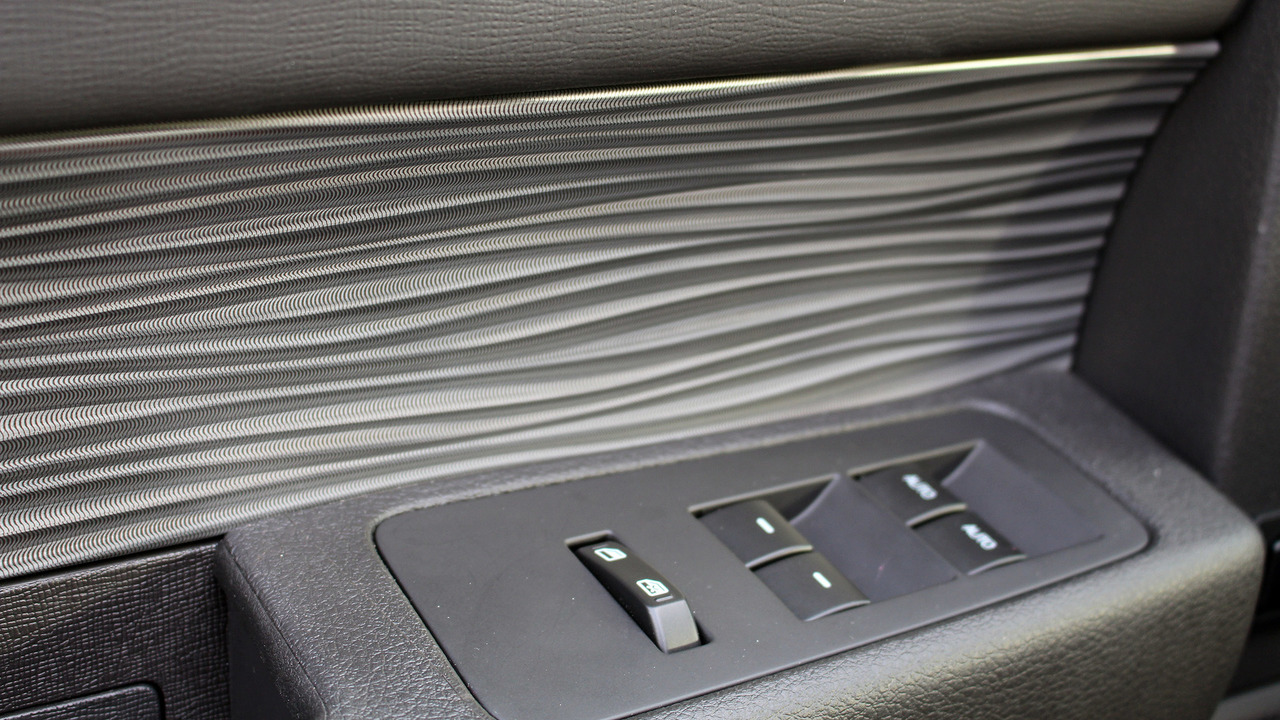
The Limited trim is the one to have. It offered available leather upholstery, premium audio, navigation, and other luxury features that made the Flex feel substantially more expensive than a typical family crossover.
More importantly, the Limited was the only trim available with the 365-hp EcoBoost engine.
What Could Go Wrong?
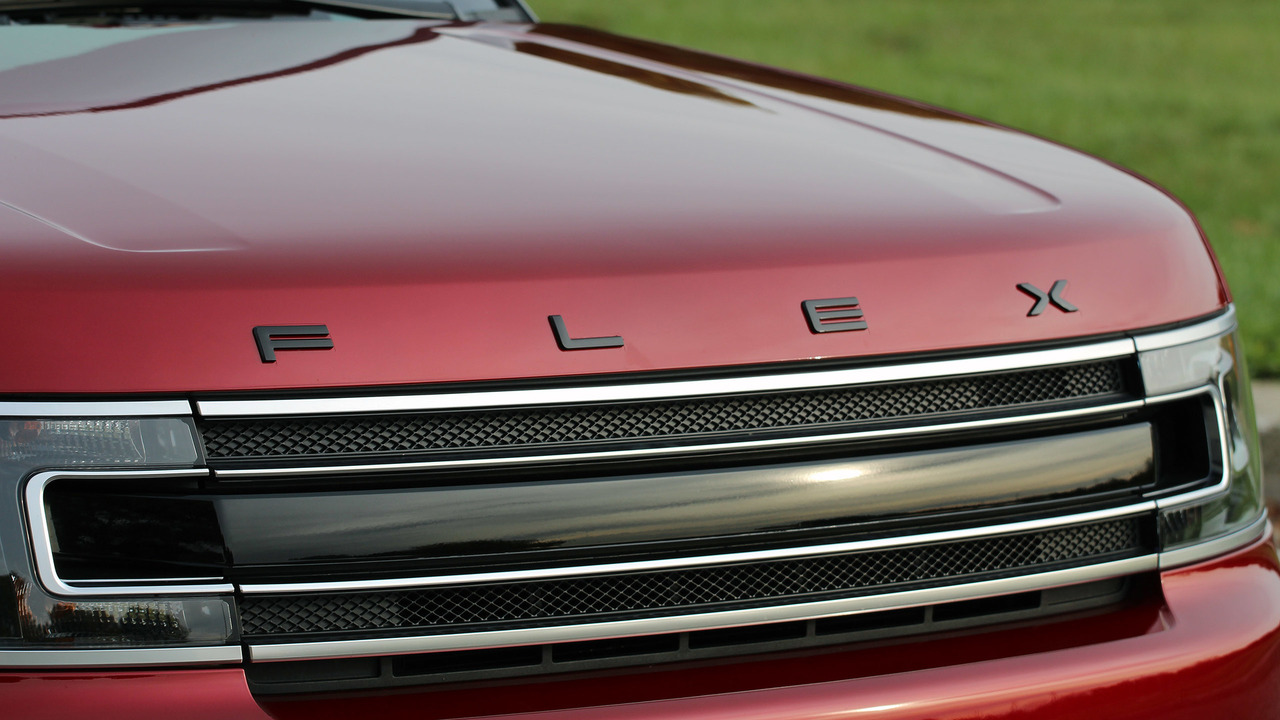
The Ford Flex is a reasonably durable vehicle, but there are several potentially expensive issues to consider before purchasing one.
The biggest concern is the internal water pump used by the 3.5-liter V6 engine family. Unlike conventional external water pumps, this one sits behind the engine’s timing cover and is driven by the timing chain. Replacing it requires significant labor, and a failing pump can potentially allow coolant to contaminate the engine oil.
According to RepairPal, water-pump replacement can cost roughly $1,800 to $2,500. Serious engine damage could make the repair substantially more expensive. Check for coolant loss, overheating, abnormal engine noises, and signs of coolant contamination in the oil. A thorough pre-purchase inspection is essential.
All-wheel-drive versions have another potential trouble spot: the power transfer unit, or PTU. These units can develop leaks or suffer internal wear, particularly if the lubricant has deteriorated. Listen for whining or grinding noises and inspect the drivetrain for leaks.
EcoBoost models add the usual concerns associated with an aging turbocharged engine. Check for oil and coolant leaks, unusual turbo noises, and evidence of neglected maintenance.
Finally, there are recalls to consider. Certain 2013–2018 models were recalled for rear suspension toe-link problems, while some 2015–2019 vehicles are subject to rearview-camera recalls. Ford also recalled certain 2017–2019 Flex models over exterior B-pillar trim that could detach.
None of these problems automatically make the Flex a bad used vehicle. But a complete maintenance history and a good pre-purchase inspection are especially important.
What Else Could You Buy?

There are plenty of sensible alternatives to the Ford Flex, but not many are quite as interesting:
Honda Odyssey
Honda Pilot
Lincoln MKT
Mazda CX-9
Mercedes-Benz R-Class
Toyota Highlander
Toyota Sienna
The Honda Pilot and Toyota Highlander are obvious choices. Both offer three rows of seating, strong reputations for practicality, and a more conventional SUV appearance. A Toyota Sienna or Honda Odyssey would arguably be even more practical. Both offer easier access to the third row, more cargo room, and sliding doors. But you’d have to admit to yourself that you’re driving a minivan.
The Mazda CX-9 is another interesting alternative, particularly for buyers who appreciate a crossover with good handling and a more upscale interior. And then there’s the Lincoln MKT. Built on a closely related platform, the MKT offers a similar combination of three-row practicality and available twin-turbo V6 power, wrapped in arguably even stranger styling.
It’s essentially the Flex’s more luxurious, slightly weirder cousin.
For similar weirdness factor, we could toss in the Mercedes-Benz R350 as well. Though just be ready for surprisingly expensive repairs on that one.
Why The Ford Flex Makes Sense
The Ford Flex was never meant to be a mainstream success. Its styling was too unconventional, its positioning was a little confusing, and buyers increasingly gravitated toward more traditional-looking SUVs. But that’s precisely what makes it appealing today.
For around $10,000 to $15,000, depending on the year and condition, you can find a genuinely comfortable three-row family vehicle with loads of cargo space, distinctive styling, and enough power to surprise the driver of a modern sport sedan.
Sure, you’ll need to budget for maintenance. And yes, the turbocharged version drinks gasoline at an alarming rate. But there’s something wonderfully ridiculous about a big, boxy station wagon with 365 horsepower and room for the whole family.
The Porsche Macan Once Cost $80,000. Now It’s A Used-Car Bargain: Why Buy?
A Used Toyota Tacoma Isn’t Cheap. Here’s Why It’s Still Worth Buying
Why A Used Lexus LC 500 Is A Great Buy
Volvo V60 Polestar: Why Buy?
| Ford | |
| Engine | Twin-Turbocharged 3.5-liter V6 |
| Output | 365 Horsepower / 350 Pound-Feet |
| Transmission | Six-Speed Automatic |
| Drive Type | All-Wheel Drive |
| Efficiency | 15 City / 21 Highway / 17 Combined |
| Seating Capacity | Six or Seven |
| As-Tested Price | $50,840 (2016) |