You pull into the driveway, shut off the engine, and start walking toward the house. Then you hear it.
Tick. Tick. Tick.
Or maybe it’s a fan still whirring under the hood. Sometimes there’s a click from behind the dashboard, a faint electrical buzz, or even a noise that starts several hours after you parked the car.
It might sound like your car forgot that you turned it off. But in most cases, there’s nothing wrong.
Modern cars don’t necessarily go completely dormant the instant you hit the start/stop button. Cooling systems, emissions equipment, electronics, and even climate-control components can continue working after the engine stops.
Here’s what those noises usually mean—and when you should actually be concerned.
That Ticking Sound Is Probably Hot Metal Cooling Down
The most common post-shutdown noise is also the simplest to explain.
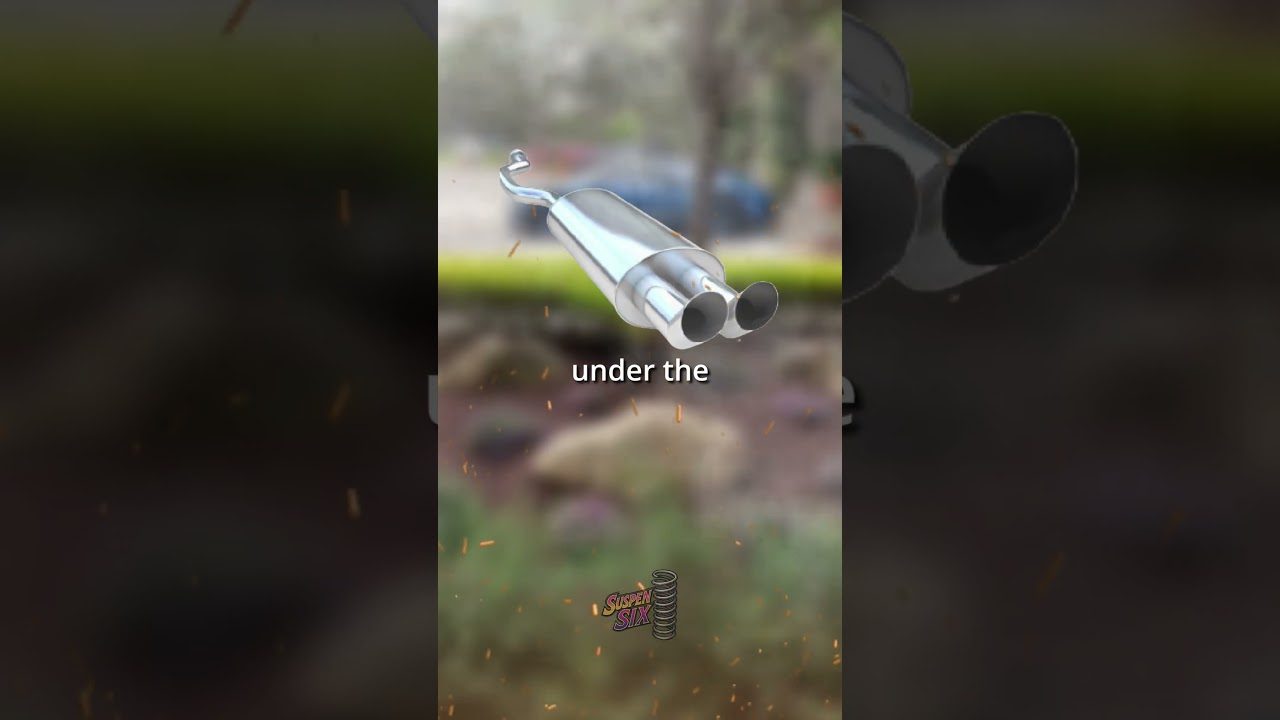
Your engine and exhaust system get extremely hot while you drive. The exhaust manifold, catalytic converter, heat shields, and exhaust piping all expand slightly as their temperature rises.
Turn the engine off, and those components start to cool and contract.
That movement can create the familiar metallic ticking or pinging noise you hear from underneath the car. The hotter the exhaust system gets, the more noticeable it can be.
It’s especially common after highway driving, hard acceleration, towing, or simply driving on a hot day.
Generally, if the ticking gradually becomes less frequent and disappears as the car cools, it’s nothing to worry about.
A discussion on Reddit’s r/cars about these mysterious post-shutdown noises produced plenty of theories, from cooling metal to throttle-body calibration and emissions-system checks. One commenter even pointed out that their owner’s manual identified the sound as part of the car’s fuel-vapor leak test. See the Reddit discussion
Your Cooling Fan Can Keep Running, Too
Hearing a loud fan after shutting off the engine can be more alarming.
But that can also be completely normal.
Unlike older mechanical fans driven directly by the engine, electric cooling fans can operate whether the engine is running or not. If temperatures are still high when you park, the car can keep the fan running to draw heat from the radiator and engine compartment.
Mazda, for example, specifically notes in its owner’s manuals that the engine-compartment cooling fan can run for several minutes after the ignition is switched off. Ford provides similar guidance, stating that its cooling fans can continue running after shutdown under certain conditions.
That means the fan running for a few minutes after a hot drive usually isn’t cause for panic.
However, a fan that seemingly never shuts off is another matter. A stuck relay, a faulty temperature sensor, a cooling system issue, or an electrical problem could keep it energized long enough to drain the battery.
And don’t stick your hands near the fan just because the engine is off. It can start unexpectedly.
Your Car Might Be Checking Itself for Fuel Leaks
Here’s the especially strange one: Your car can start making noise hours after you park it.
No ghosts required.
The evaporative-emissions, or EVAP, system prevents gasoline vapors from simply venting into the atmosphere. Some vehicles perform an automatic pressure or vacuum test of that system after the engine has been off for several hours.
That test can activate pumps, valves, and solenoids underneath the vehicle.
Toyota actually calls this out directly in several owner’s manuals. The automaker says drivers may hear a noise from beneath the vehicle approximately 5 hours after shutting off the engine, while the car performs a fuel-evaporation leakage check.
Toyota also makes clear that the noise “does not indicate a malfunction.”
So if your completely parked car suddenly starts quietly buzzing in the garage hours later, it might just be checking its own emissions system.
Clicking Behind the Dashboard Could Be the HVAC System
Not every post-shutdown noise comes from underneath the hood.
Modern climate-control systems use small electric motors called actuators to move doors inside the dashboard. These doors control features such as temperature, vent selection, and recirculation.
Some cars reposition or recalibrate those actuators after you switch off the ignition, producing a few faint clicks or mechanical noises from behind the dashboard.
A brief noise can be normal.
A loud, repetitive click-click-click-click, however, can indicate an actuator with damaged internal gears. If the sound keeps occurring and you eventually notice the air won’t switch among the windshield, floor, or dashboard vents, an HVAC actuator could be failing.
Modern Cars Take a While to Go to Sleep
There’s another reason newer vehicles seem considerably less “off” than cars from a few decades ago: computers.
A modern car can contain dozens of electronic control modules. After you park, some of them remain awake temporarily to store information, run checks, communicate with other modules, control accessories, or prepare systems for shutdown.
Relays may click. Electric valves can move. Throttle bodies can reposition. Pumps may operate briefly.
Eventually, the car enters a low-power sleep state.
What sounds like your car quietly rebuilding itself underneath the hood may simply be its electronics shutting things down in sequence.
When Should You Worry?
The noise itself usually matters less than what happens alongside it.
A few metallic ticks that fade away? Probably normal.
A cooling fan running for several minutes? Also potentially normal.
But pay attention if the noise is suddenly much louder than before or is accompanied by an overheating warning, visible coolant, steam, a strong fuel smell, smoke, a burning odor, or a battery that keeps going dead.
Grinding, violent rattling, continuous electrical clicking, or a fan that refuses to stop running are also worth investigating.
Otherwise, those strange noises you hear after parking are often just proof that turning the engine off doesn’t necessarily mean every part of your car stops working immediately.
Sometimes your car simply needs a few minutes to finish what it was doing.