If you’ve ever walked away from your car, pressed the lock button, and heard a quick beep, you’ve probably wondered what it actually means. Is it just a convenience feature? A security warning? Or is your car trying to tell you something?
In most cases, that familiar chirp is simply your vehicle’s way of confirming that the doors are locked and the security system is armed. It’s an audible version of the flashing lights you see when you hit the lock button.
Before remote key fobs became standard, drivers had to physically check each door handle to make sure their vehicle was secure. The lock beep was introduced as a simple piece of feedback—you press the button, the car responds, and you know the command went through. But there’s more happening behind that little sound than you might think.
Welcome to Motor101, our series dedicated to answering the internet’s biggest automotive questions. From the origins of iconic designs to the engineering breakthroughs that shaped the world’s greatest cars, we uncover the stories behind the vehicles you love.
The Beep Is Your Car Saying ‘I Heard You’
Modern vehicles are packed with computers that constantly communicate with different systems. When you press the lock button, the key fob sends a wireless signal to the vehicle’s body control module, which then checks whether the doors, trunk, and sometimes the hood are properly secured.
If everything checks out, the car locks itself and triggers the confirmation sound.
Some vehicles use the horn for this confirmation, while others use a quieter electronic chirp. Luxury brands often customize the sound to match the vehicle’s personality, while some newer cars have moved away from audible signals entirely.
Sometimes The Beep Means Something Is Wrong
Not every lock sound is a simple confirmation. A different beep pattern—or no beep at all—can indicate an issue.
Common reasons your car might not beep when locking include:
- A door or trunk isn’t fully closed
- The key fob battery is getting weak
- The vehicle’s settings were changed
- The security system detected an issue
- The car is still running
Some vehicles will give a longer warning tone if they detect that the key fob is inside the vehicle, helping prevent drivers from accidentally locking themselves out.
Can You Turn Off The Lock Beep?
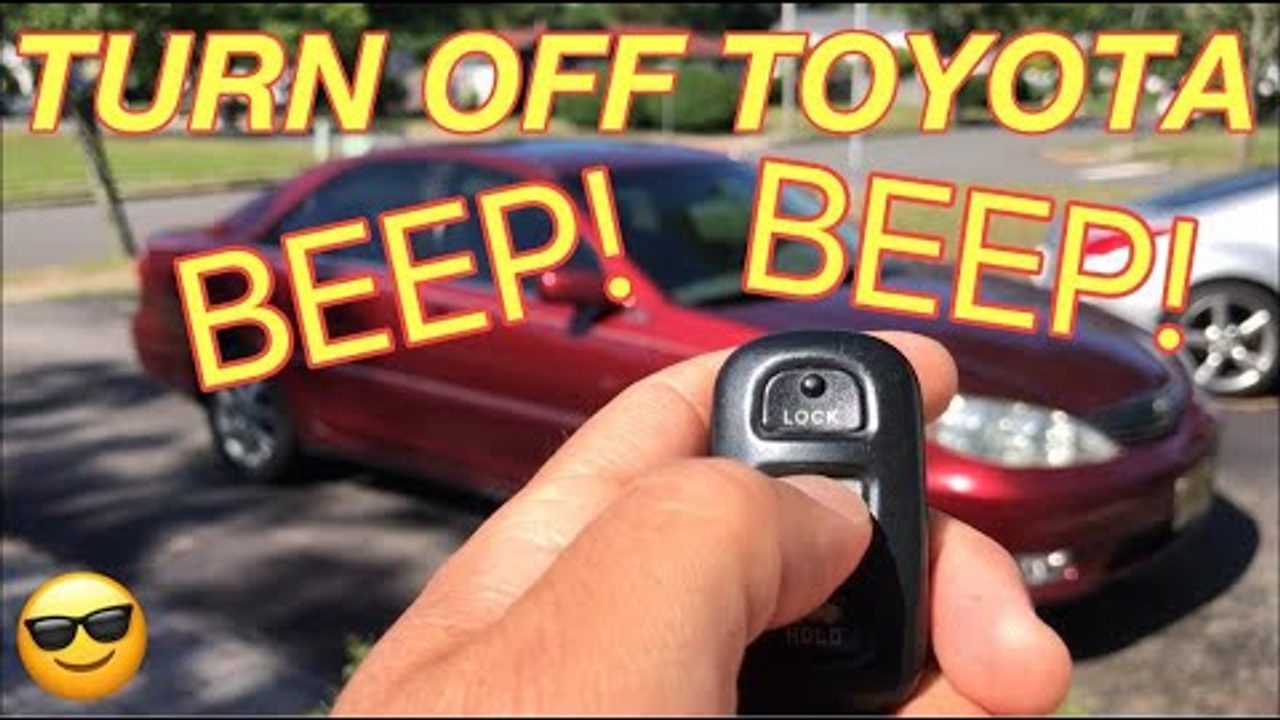
In many vehicles, yes. Automakers know not everyone wants their car announcing every time they lock it, especially late at night or in quiet neighborhoods.
Depending on the make and model, the setting may be found in the infotainment system, vehicle settings menu, or through a dealership scan tool.
Some cars let owners choose between:
- Horn confirmation
- Silent locking
- Light-only confirmation
Others don’t provide the option at all.
Why Do Some Cars Honk Instead Of Beep?
The loud horn chirp is a leftover from older alarm systems. Manufacturers originally used the horn because it was already installed, easy to control, and loud enough for drivers to hear from a distance.
As vehicles became quieter and keyless entry systems became more advanced, many automakers switched to softer electronic sounds.
That said, some drivers still prefer the horn because it provides a more obvious confirmation—especially in a crowded parking lot.
Why Are Drivers So Divided Over The Locking Beep?
For something as simple as a confirmation sound, the lock beep has surprisingly strong opinions behind it. A quick look through automotive forums shows drivers split between those who love the reassurance and those who think their car is being unnecessarily loud.
Some owners say the sound is useful because it lets them know their vehicle actually received the command, especially when they’re walking away from a car in a crowded parking lot. Others argue that the flashing lights are enough and that a loud horn chirp is annoying—especially late at night or in quiet neighborhoods.
The biggest complaint tends to be cars that use the actual horn instead of a softer electronic chirp. Owners of some vehicles have described the confirmation tone as surprisingly aggressive, with some saying it sounds closer to the panic alarm than a simple lock notification.
There’s also confusion around why some cars beep multiple times. In many newer vehicles, repeated beeps aren’t just a lock confirmation—they can be a warning. A car might be telling you that a door, trunk, or hood isn’t fully closed, the key fob is still inside, or a rear-seat reminder has been triggered.
Ultimately, the lock beep is a tiny feature that highlights a bigger trend in modern vehicles: automakers are adding more feedback and alerts than ever before. The challenge is finding the right balance between keeping drivers informed and avoiding turning every small action into another notification.
The Small Sound That Changed How We Use Cars
The lock beep might seem like a minor detail, but it’s part of a bigger shift in automotive technology. Cars have gone from simple mechanical machines to connected computers that constantly communicate with their owners.
That tiny chirp is your vehicle acknowledging a command, confirming its status, and giving you peace of mind that it’s ready to sit parked until you return.
So the next time your car beeps when you lock it, you’ll know it isn’t random—it’s your car saying, “I’m secure.”