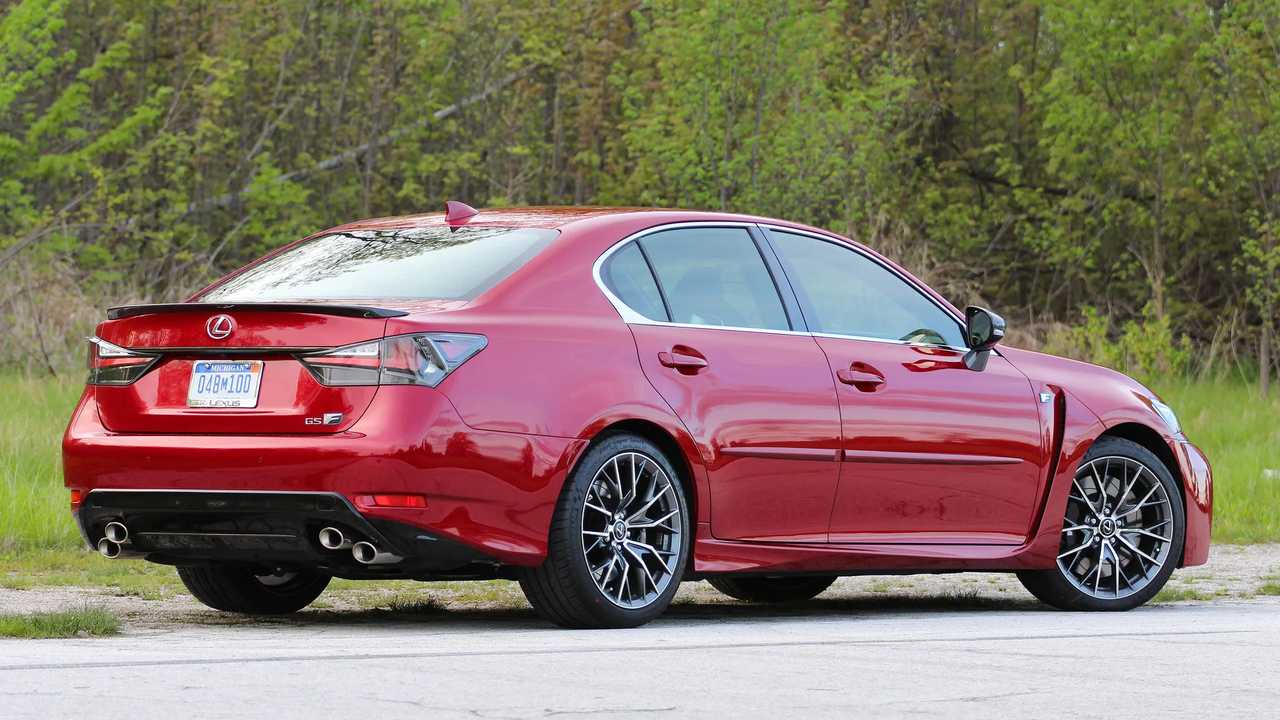
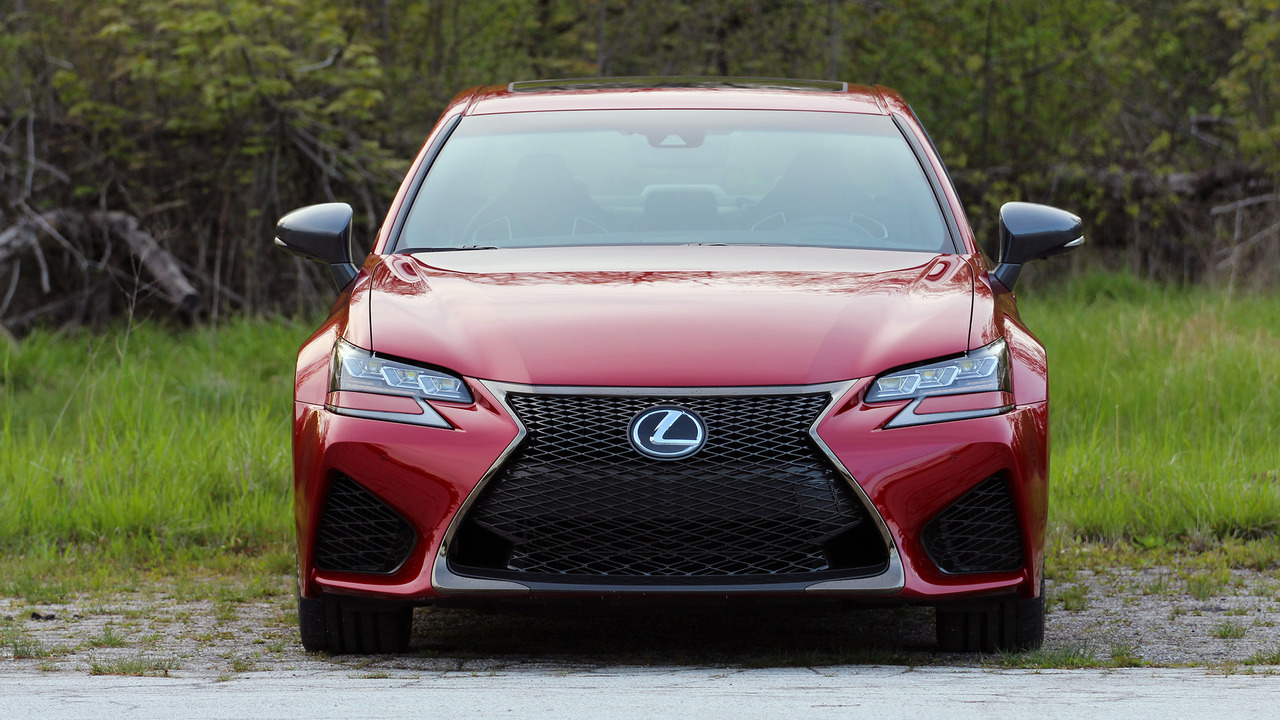
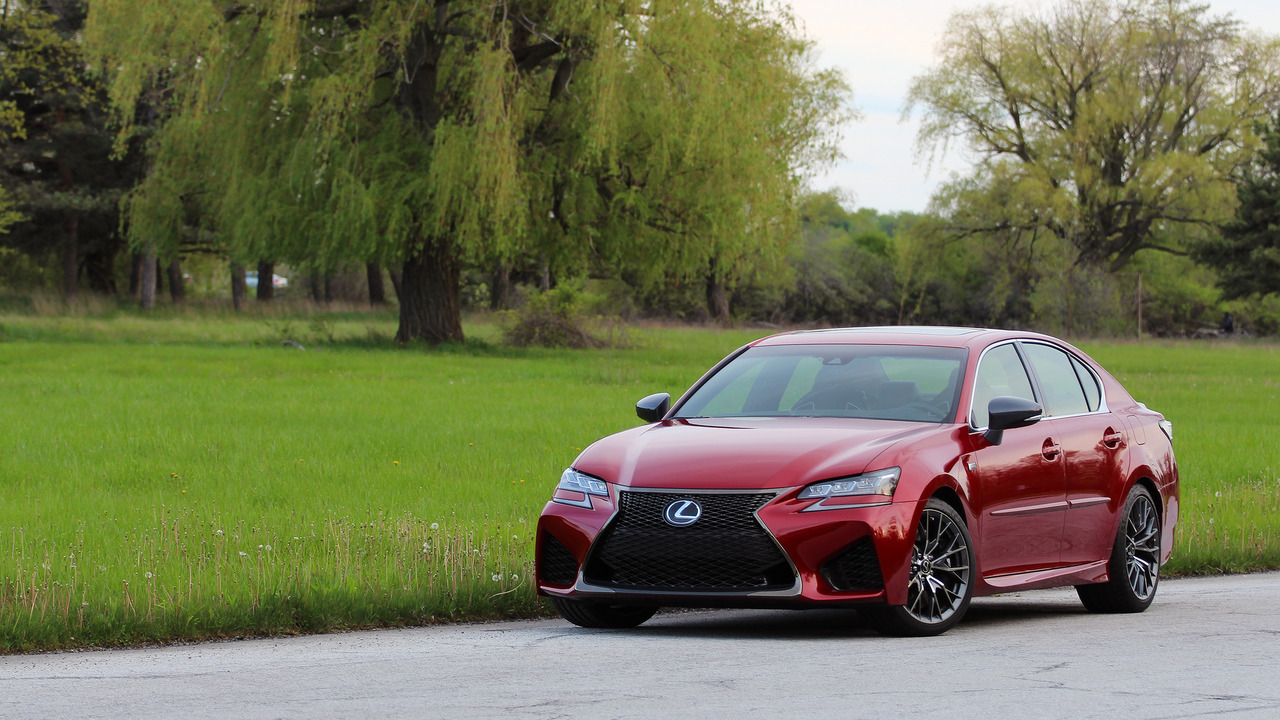
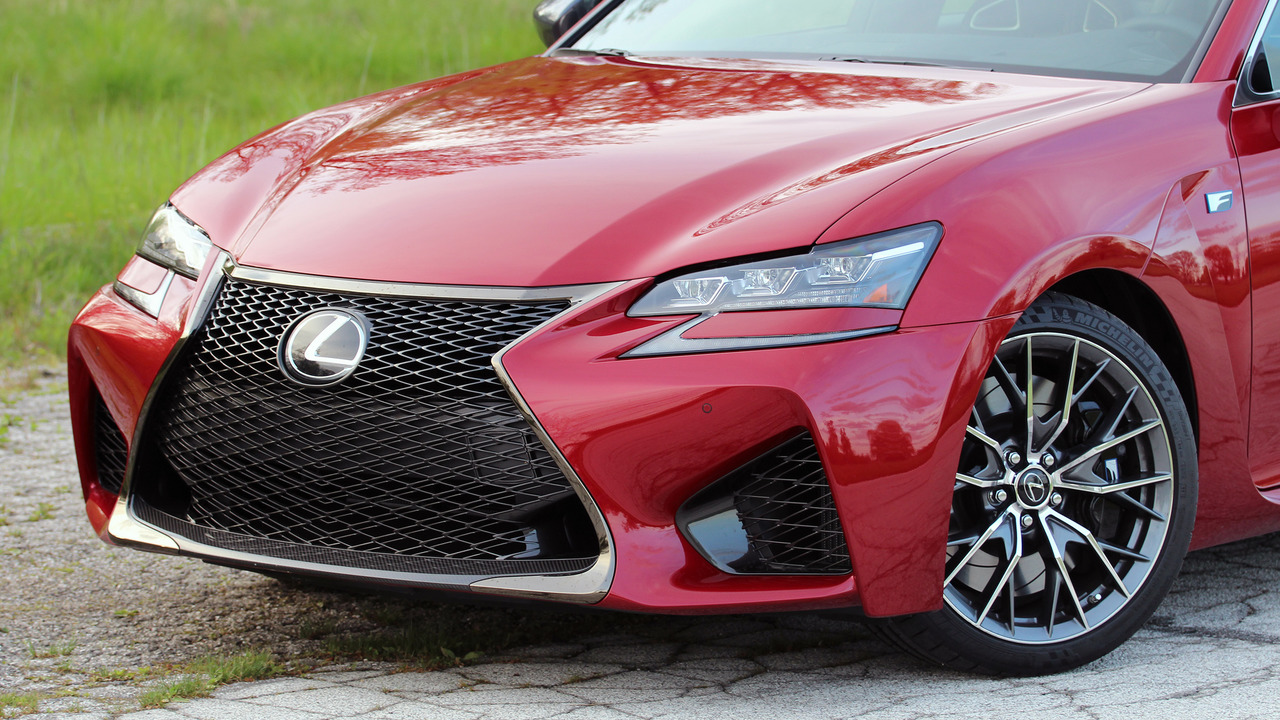
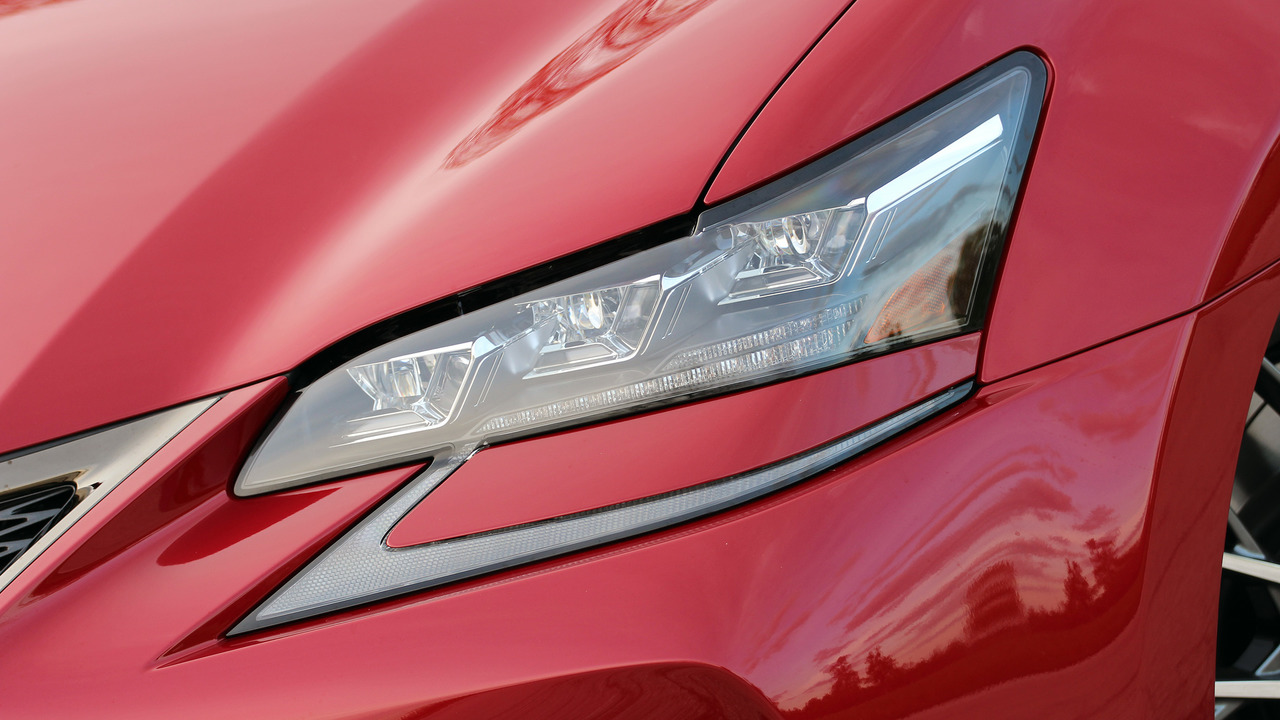
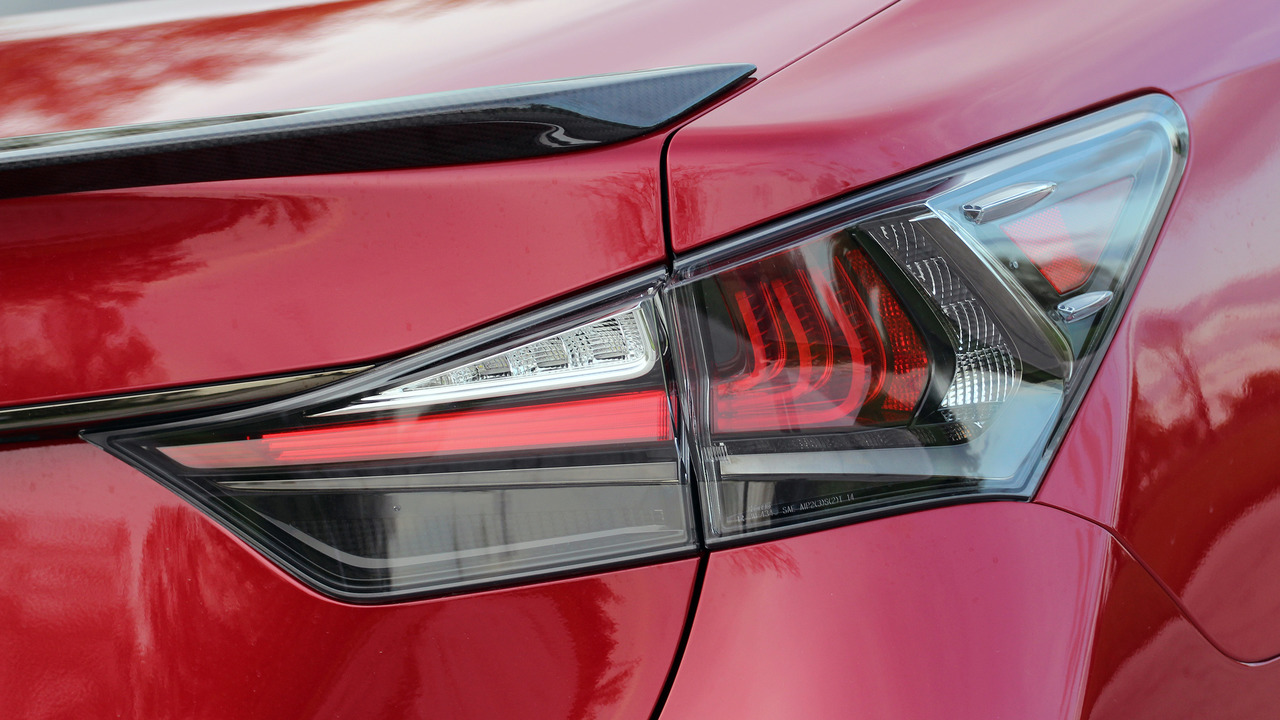
The Lexus GS F was a bit of an oddball when it arrived in 2016. BMW had the turbocharged M5. Mercedes-AMG had the increasingly ridiculous E63. Cadillac had the supercharged CTS-V. Lexus showed up with a comparatively modest 467 horsepower and no forced induction whatsoever.
Given that it didn’t dominate the spec sheet, and that Lexus didn’t sell a ton of them, the GS F lasted just five model years. It disappeared along with the rest of the GS lineup after 2020.
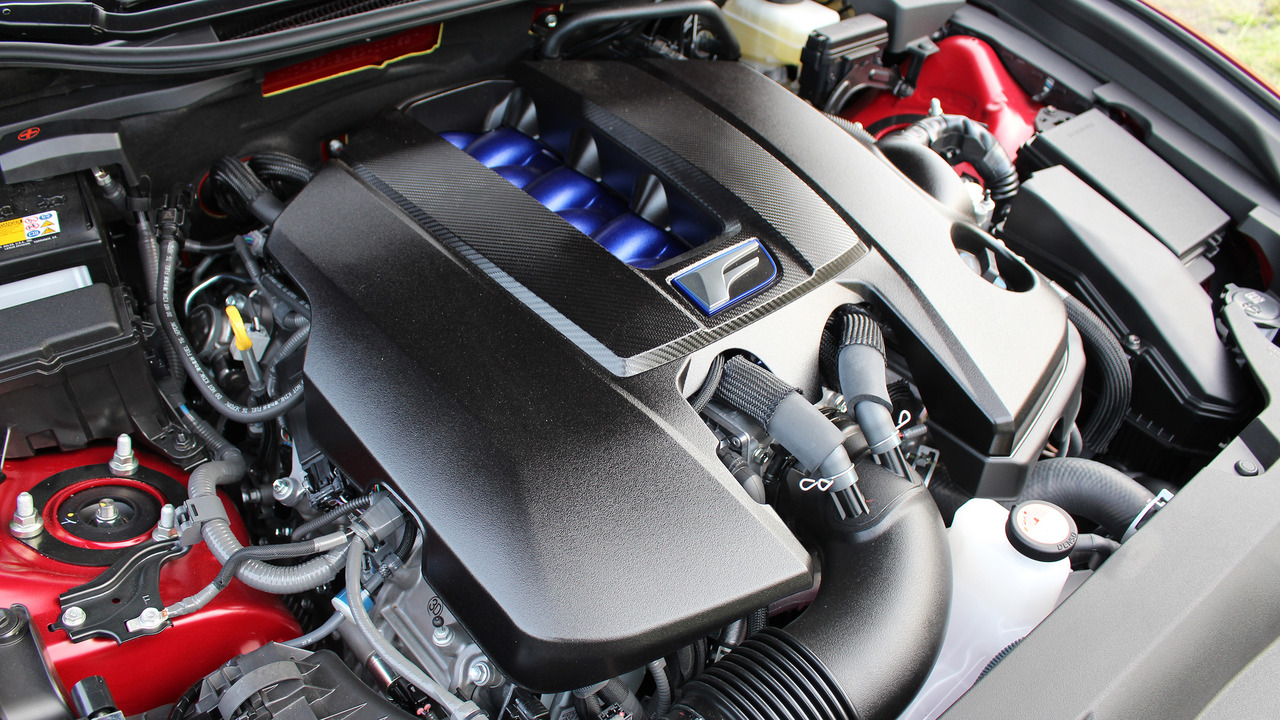
But nearly a decade later, those things work in its favor. The GS F is rare, wonderfully old-school, and powered by one of the best naturally aspirated V8s of the modern era. Better still, you can get one for roughly half of what it cost new.
Why Buy The Lexus GS F?
The engine. Obviously.
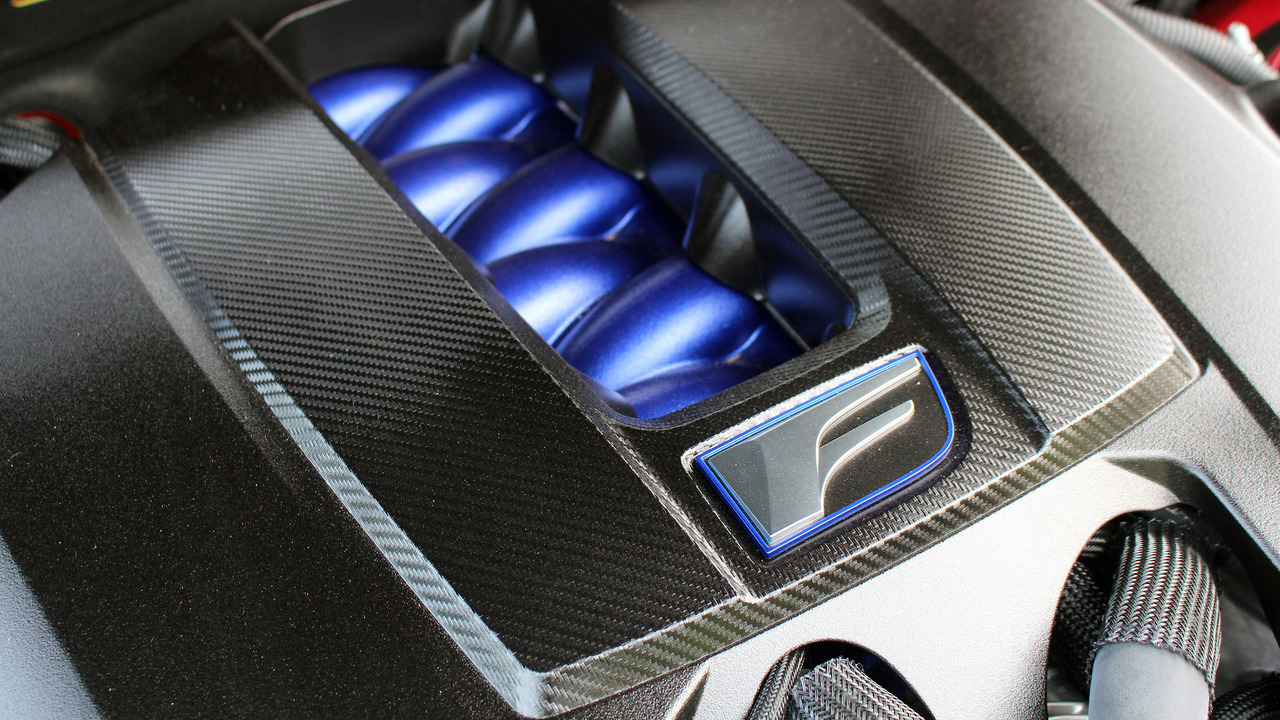
Every GS F has the Lexus naturally aspirated 5.0-liter V8, making 467 horsepower and 389 pound-feet of torque. It’s paired exclusively with an eight-speed automatic and sends all of that oomph out to the rear wheels. Lexus also fitted a standard torque-vectoring rear differential with varying drive modes.
No, there’s no manual. And the GS F isn’t brutally quick by modern standards. Lexus quoted serious performance from the beginning, and contemporary testing put the sedan around the mid-four-second range to 60 mph. But outright speed isn’t really the point.
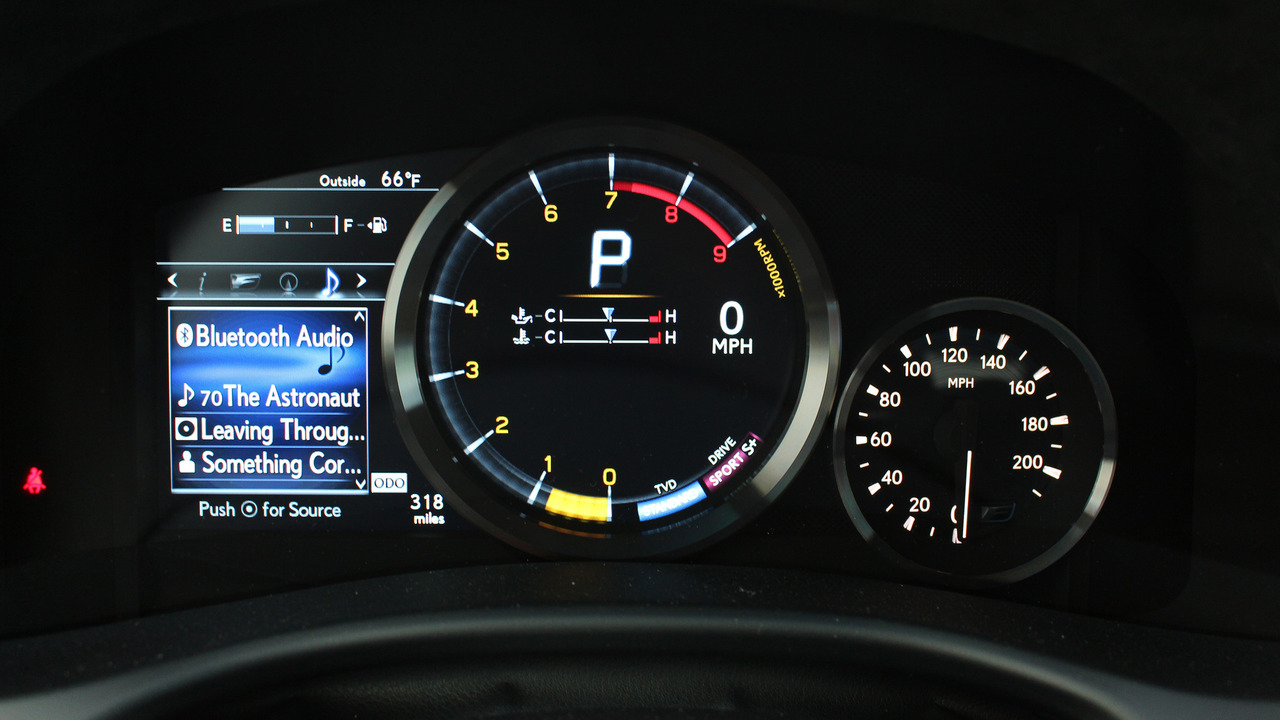
The 5.0-liter V8 loves revs. Peak horsepower doesn’t arrive until 7,100 rpm, and unlike the turbocharged engines in most of its contemporaries, the Lexus makes you work your way up the tachometer to find the good stuff.
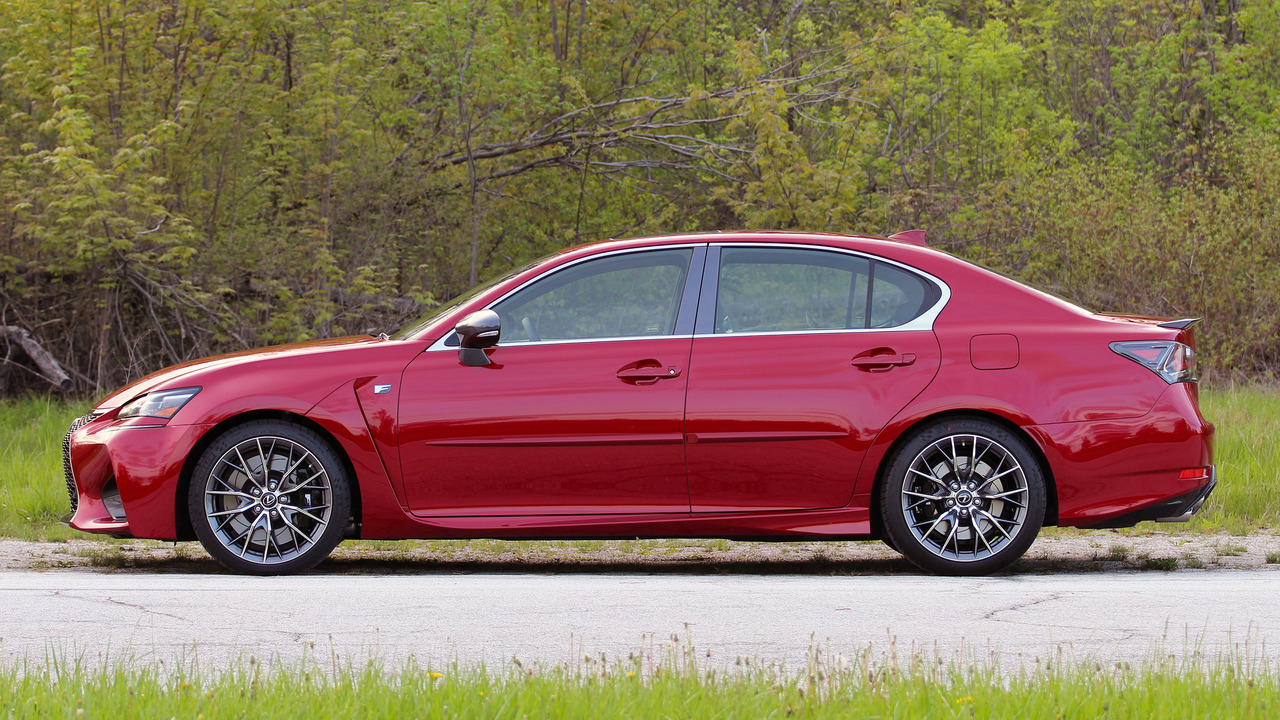
It’s also a proper performance sedan rather than a GS 350 with a large engine stuffed under the hood. The GS F has Brembo brakes, forged 19-inch wheels, substantial chassis bracing, dedicated suspension tuning, and that clever torque-vectoring differential. Lexus even developed portions of the car at the Nürburgring.
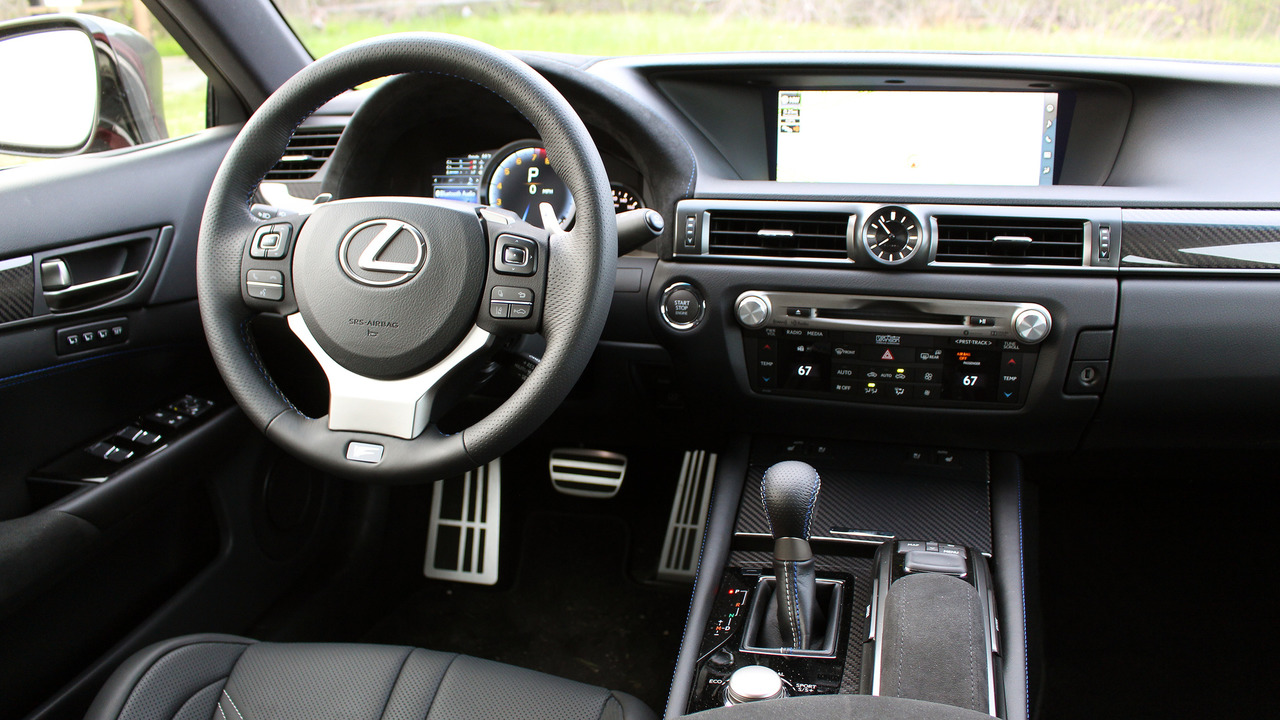
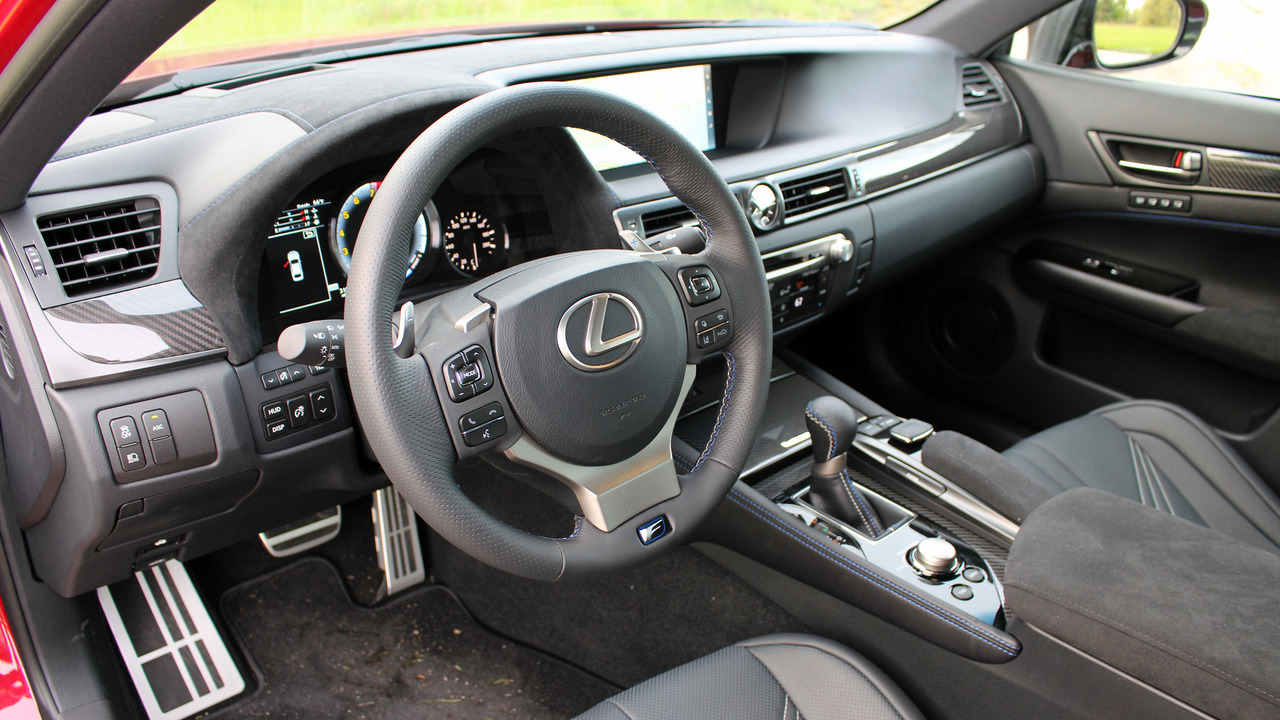
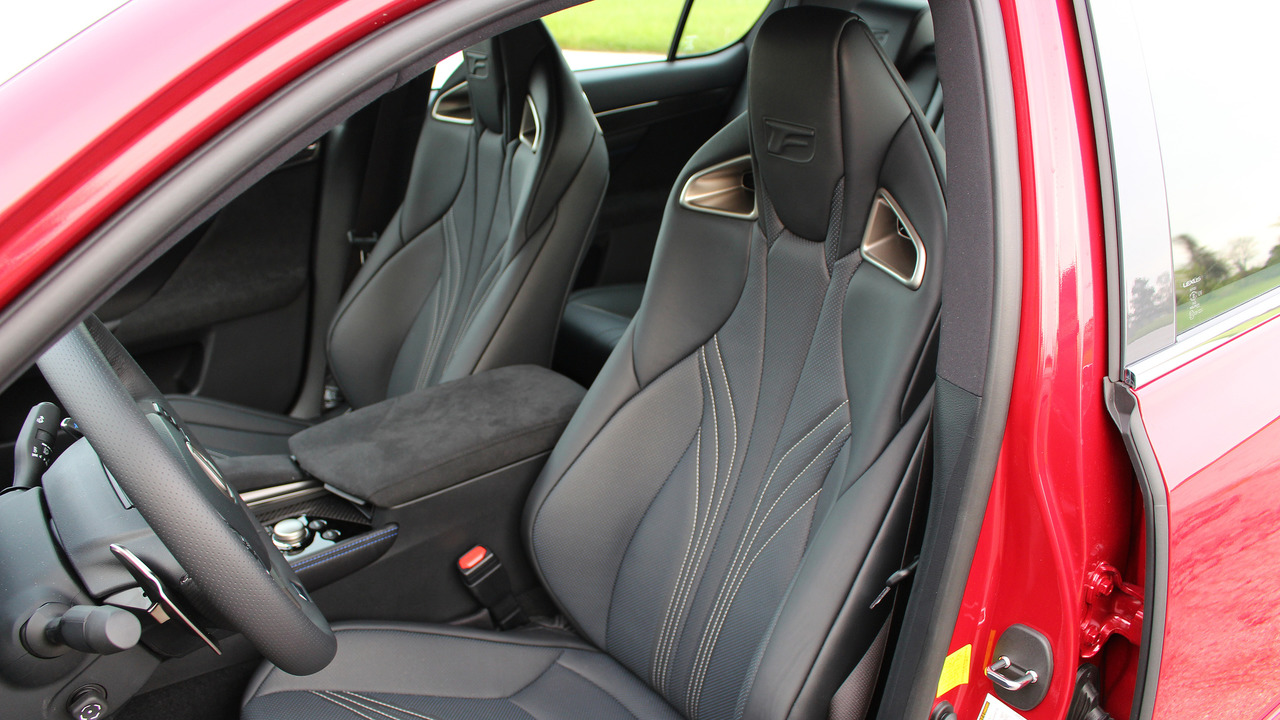
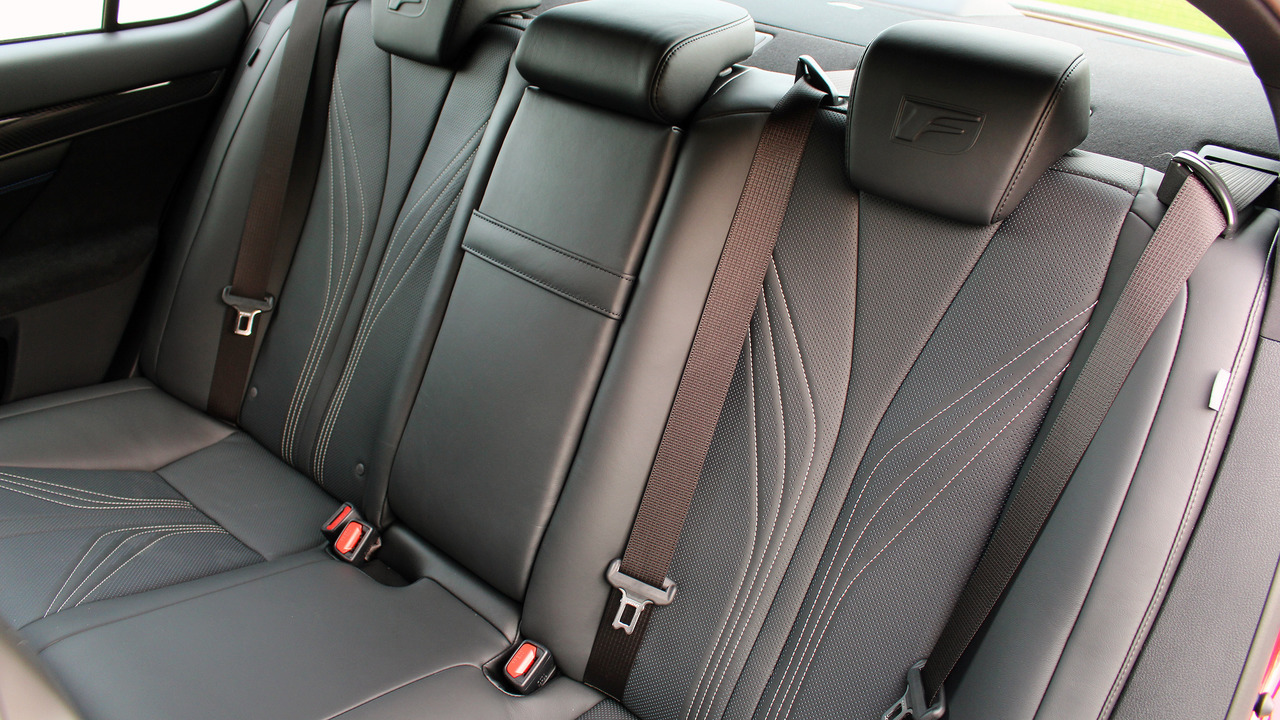
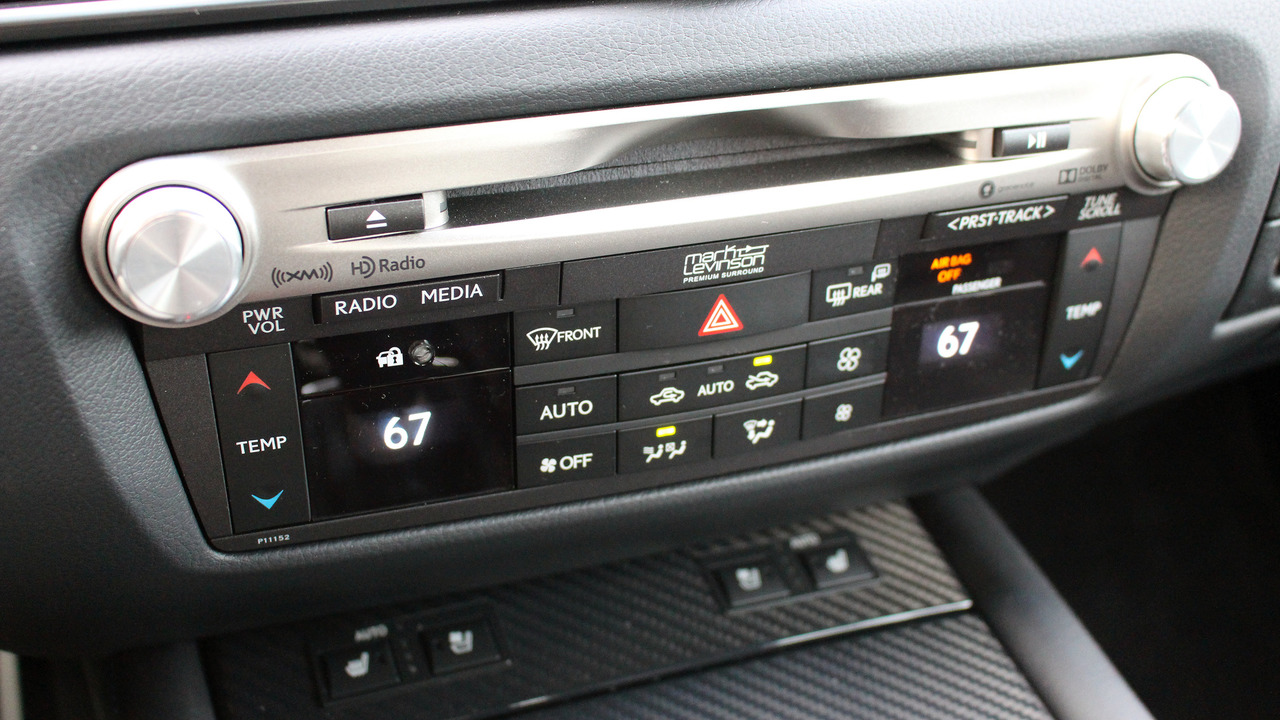
Yet it’s still a Lexus. The cabin is quiet, the seats are comfortable, there’s room for five, and you could easily commute in one every day.
When we drove the GS F back in 2016, we found it comfortable, balanced, and a great alternative to the tough German competition in the segment.
‘This is honestly one of the most comfortable cars I’ve ever driven.’
‘The adjustable suspension delivers a perfect balance of comfort and communication.’
‘I would happily drive the GS F across the country and back in one sitting. I wouldn’t as willingly perform the same task in a BMW M5.’
How Much Is A Used Lexus GS F?
The GS F wasn’t cheap when new. A 2016 model stickered for around $85,000, and by 2020, the starting price had climbed past $86,000. Depreciation has helped considerably.
According to Kelley Blue Book’s current national Fair Purchase Price figures, here’s the market range:
2016 Lexus GS F: $37,580
2017 Lexus GS F: $33,280
2018 Lexus GS F: $42,640
2019 Lexus GS F: $46,500
2020 Lexus GS F: $47,100
Actual asking prices can vary wildly based on mileage, color, options, and condition—especially because the GS F is relatively scarce. Low-mileage cars can command substantially more than those averages. And some sellers are already pulling the “I know what I’ve got!” pricing method for these.
But if you shop smartly, there are deals to be found. And $40,000-ish for a naturally aspirated V8 sports sedan that originally cost more than twice that isn’t a terrible proposition.
Especially when you look at what $40,000 buys new today.
Which Lexus GS F Should You Buy?
There really isn’t a bad year.
The same 467-hp V8 and eight-speed automatic lasted through the entire production run, so you’re not missing out on horsepower by buying an earlier car.
That said, we’d probably start with 2017 or newer.
For 2017, Lexus added Linear Adaptive Variable Suspension, which improved both ride quality and body control. The 2018 model brought All-Speed Dynamic Radar Cruise Control and Lane Keep Assist, making it slightly nicer if you plan to use the car as a daily driver.
The 2019 model is interesting because Lexus offered a special 10th Anniversary Edition, with just 100 examples produced for the US. Those cars got Nebula Gray paint, gloss-black BBS wheels, and a distinctive blue interior treatment.
And naturally, 2020 cars will command a premium because they’re the final model year. Changes were mostly cosmetic—matte-black wheels, black mirror caps and B-pillars, and optional blue brake calipers—so don’t feel compelled to pay thousands more purely to get the newest one.
For the money, a clean 2017 or 2018 GS F feels like the sweet spot.
What Could Go Wrong?
This is where the GS F starts looking particularly attractive compared to some of its German contemporaries.
The 5.0-liter 2UR-GSE V8 has developed a strong reputation, and there isn’t a laundry list of catastrophic engine or transmission problems associated with the GS F. Owner discussions tend to focus more on minor electronic and cosmetic issues than on blown engines or failed gearboxes.
But there are a few things worth checking.
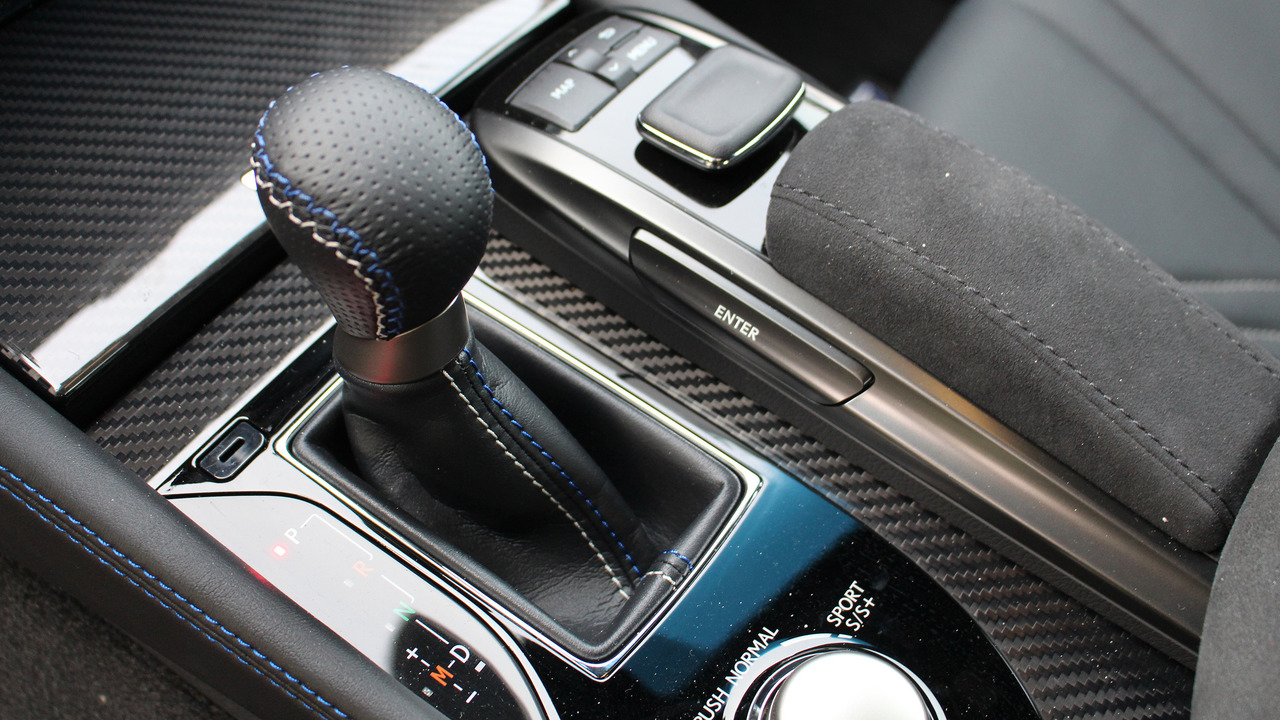
The most visible is the carbon-fiber interior trim. GS F owners have reported delamination, bubbling, and peeling of the clear finish. Lexus eventually introduced a customer-support program addressing affected trim, but given the age of these cars, you’ll want to inspect every carbon-fiber panel carefully and verify whether any remaining coverage applies to the specific VIN.
Then there’s the torque-vectoring differential. Failures don’t appear to be widespread, but the TVD and its electronics are specialized, expensive components. Owner reports indicate that repairs can become painfully expensive very quickly, so any warning message related to the differential warrants investigation before money changes hands.
Brakes aren’t cheap, either. Those big Brembos work well, but pads and rotors are performance-car consumables. Check their condition before buying, especially if the car has spent time on track.
Finally, check the VIN for completed recall work. Certain 2016-2018 GS F models were recalled over high-pressure fuel pumps that could crack and leak fuel; the repair involved replacing the affected pumps at no charge.
None of these issues would scare us away. But this is still an $85,000 performance car, even if you’re buying it for $40,000. Parts prices haven’t depreciated along with the car.
Get a pre-purchase inspection.
What Else Could You Buy?
The GS F’s original rivals are the obvious alternatives:
BMW M5
Cadillac CTS-V
Chevrolet SS
Dodge Charger SRT
Mercedes-AMG E63
The Germans are generally faster. A third-generation Cadillac CTS-V absolutely destroys the Lexus in a straight line. And the Chevy SS offers something the GS F never did: a manual transmission. But the GS F has a different appeal.
It’s less about winning a stoplight race and more about having an engine you actively want to rev out. There’s no turbo lag, no synthetic attempt to disguise a downsized powertrain, and no complicated all-wheel-drive system.
Just a big naturally aspirated V8, an automatic gearbox, and two driven wheels. And unlike the Chevy SS, the GS F actually feels like an $80,000 luxury car inside.
2016 Lexus GS F
Why The Lexus GS F Makes Sense
The GS F makes more sense today than it did when it was new. Back then, buyers could reasonably look at an M5, E63, or CTS-V and wonder why Lexus wanted similar money for a slower car.
For roughly $40,000 to $50,000, you’re getting a high-revving naturally aspirated V8, rear-wheel drive, a torque-vectoring differential, Brembo brakes, adaptive suspension on later cars, and an interior that still feels appropriately expensive.
You’re also getting something genuinely rare. Lexus sold the GS F in America for only five model years, and nothing has directly replaced it.
The newer IS 500 carries on the naturally aspirated V8 formula, but it isn’t a full F model. The GS F remains the bigger, more serious four-door.
Is it the fastest used sports sedan for the money? Absolutely not. But it might be one of the easiest to justify owning. Find the cleanest 2017 or 2018 you can. Make sure the carbon fiber looks good. Check the TVD, brakes, and service history.
Then go find a tunnel and run that V8 to 7,000 rpm.
The Mazda CX-90 PHEV Gets Electrification Just Right: Driven
The Aston Martin Vanquish Is Everything A V12 Should Be: Driven
The BMW XM’s Biggest Flaw Isn’t The Way It Looks: Driven
The 2027 Ram Power Wagon Finally Adds A Diesel, But It Loses Other Things: Driven
| Lexus | |
| Engine | 5.0-Liter Naturally Aspirated V8 |
| Transmission | Eight-Speed Automatic |
| Output | 467 Horsepower / 389 Pound-Feet |
| Drive Type | Rear-Wheel Drive |
| Efficiency | 16 City / 24 Highway / 19 Combined |
| Weight | 4,034 Pounds |
| Seating Capacity | Five |
| Base Price | $86,035 |