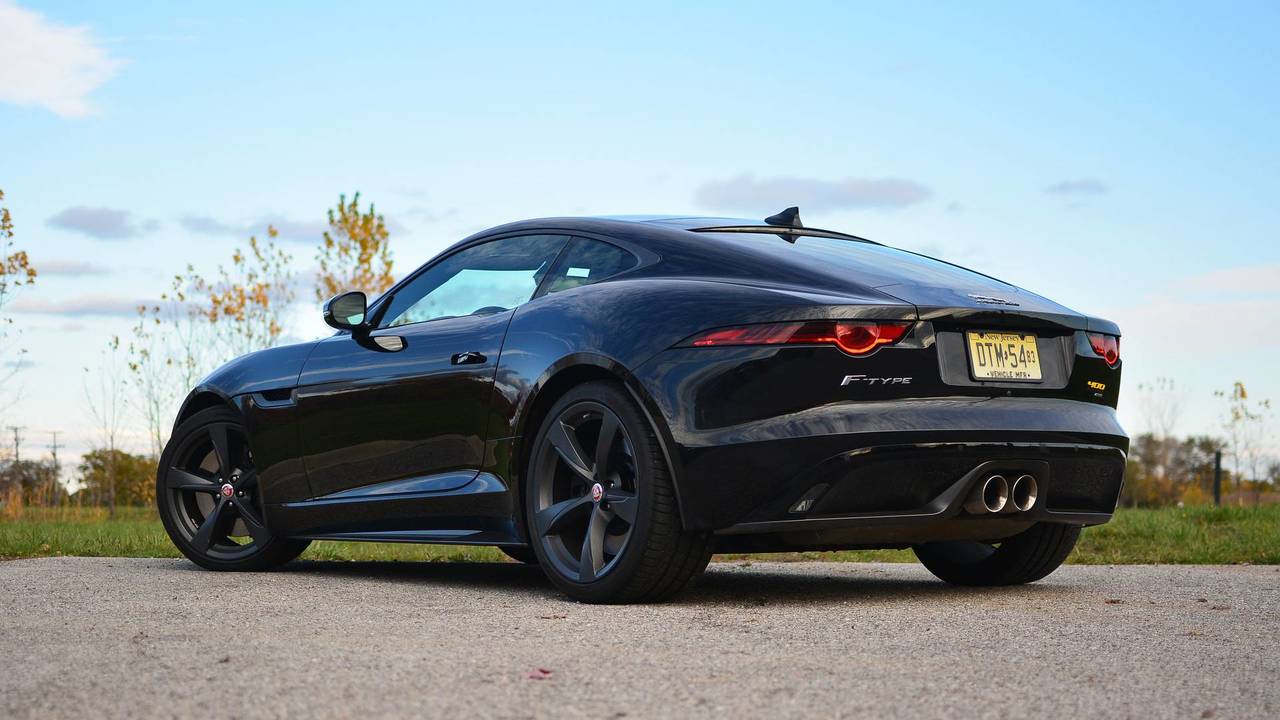
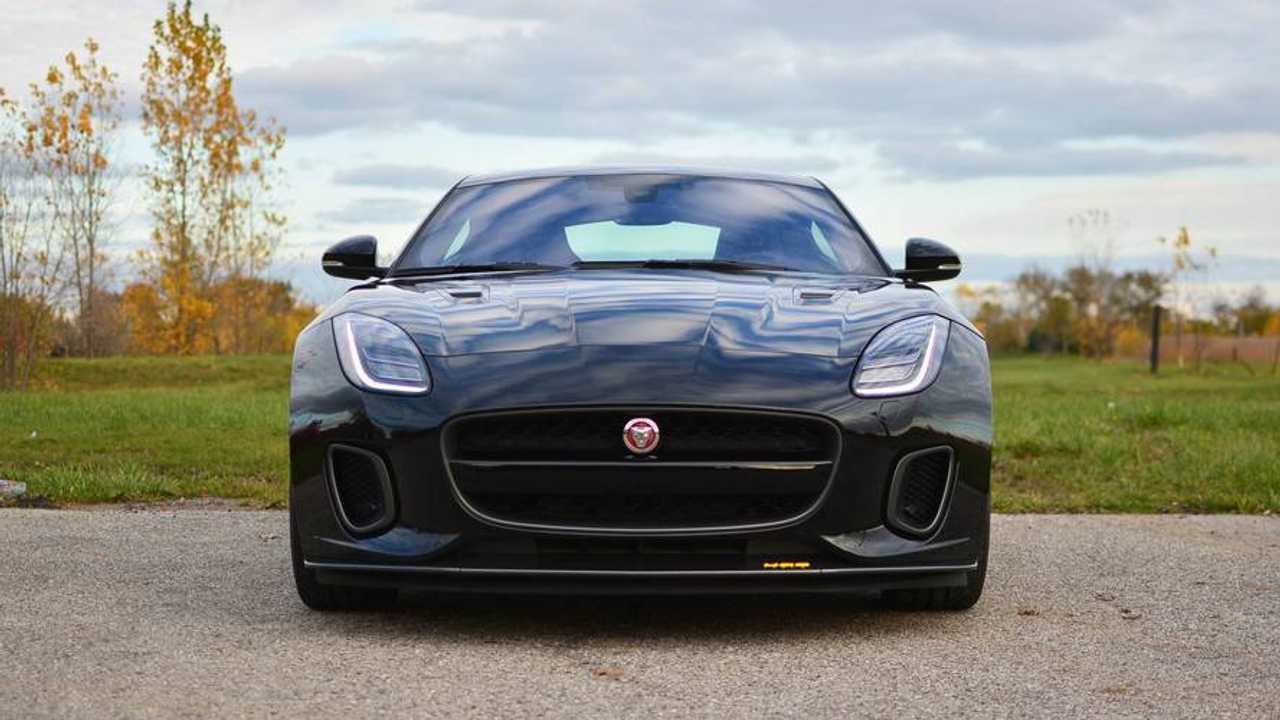
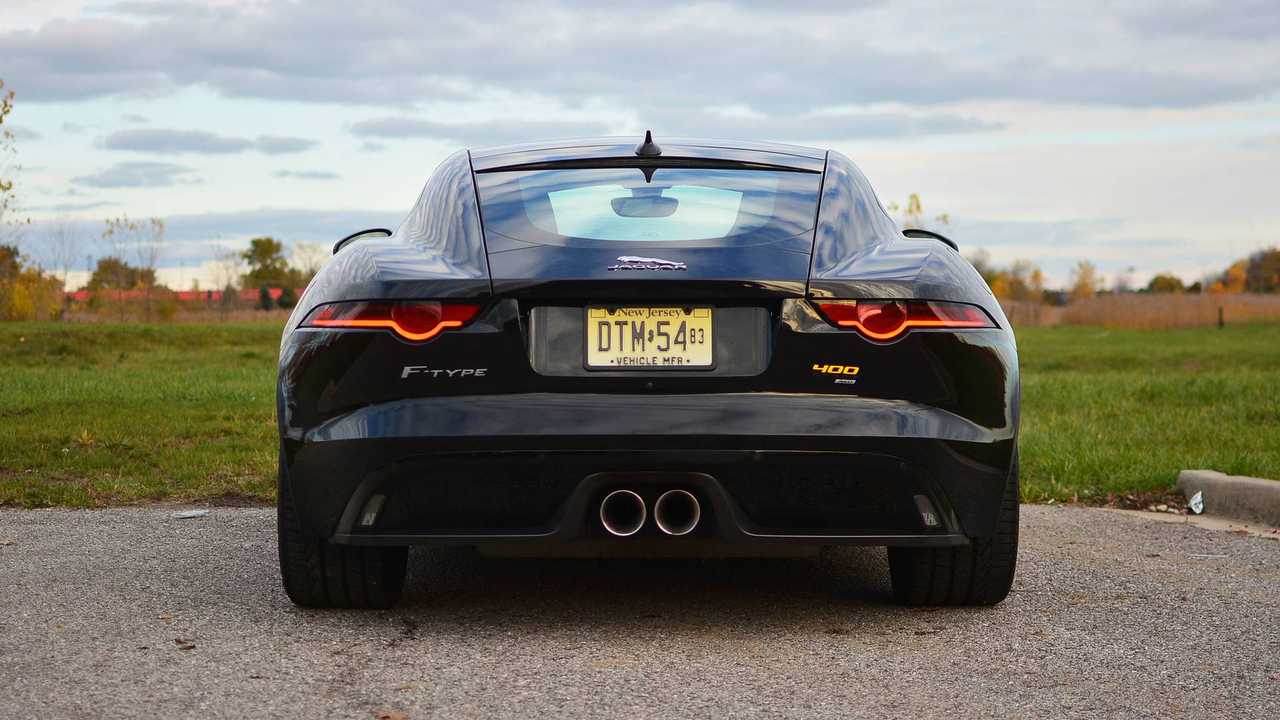
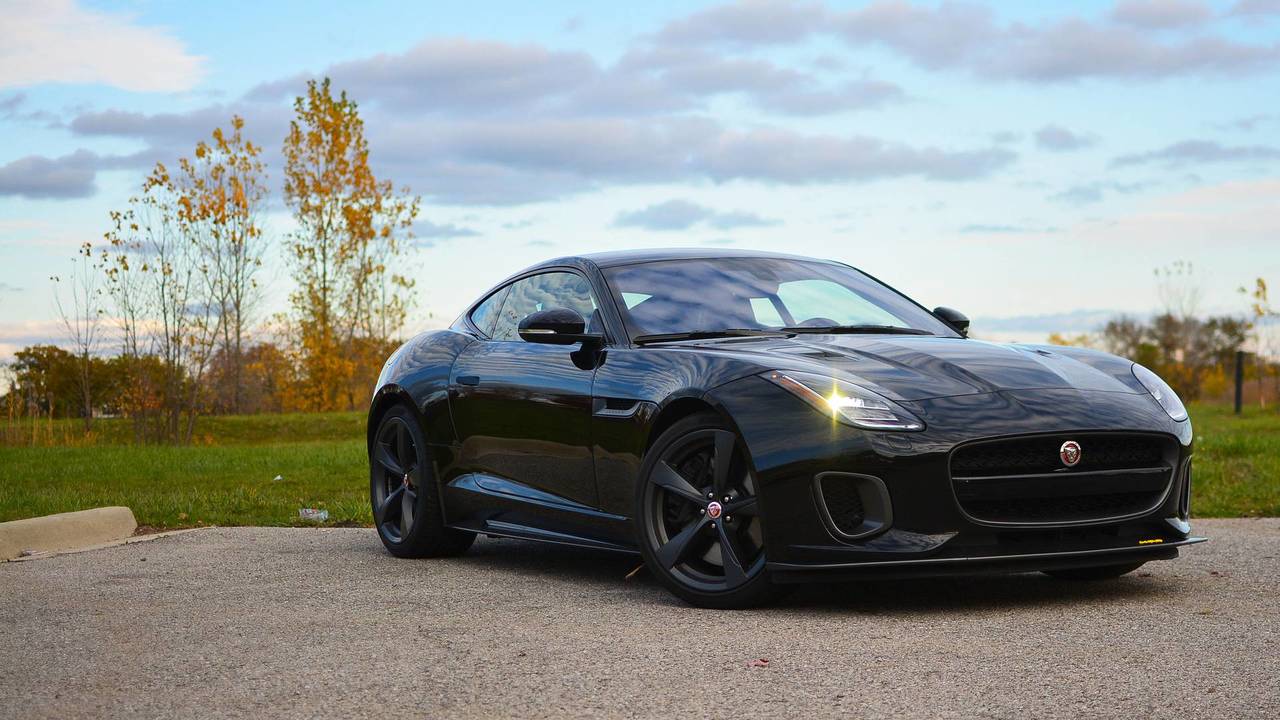
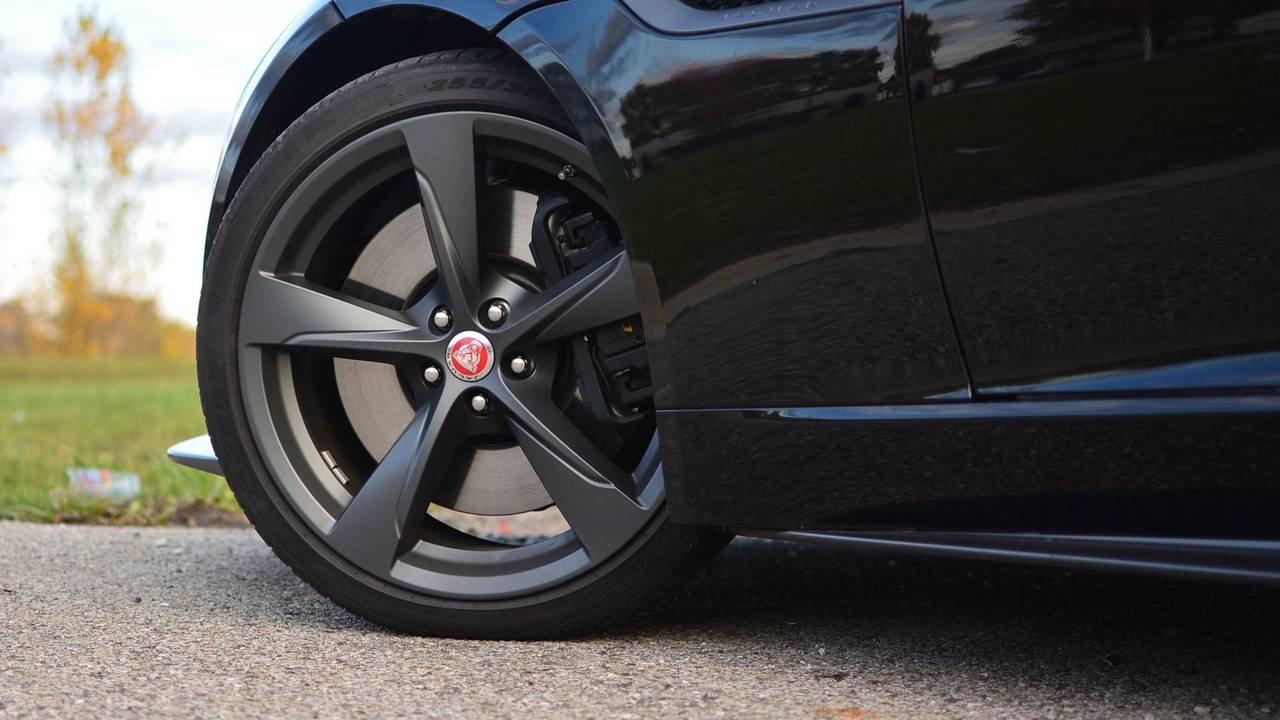
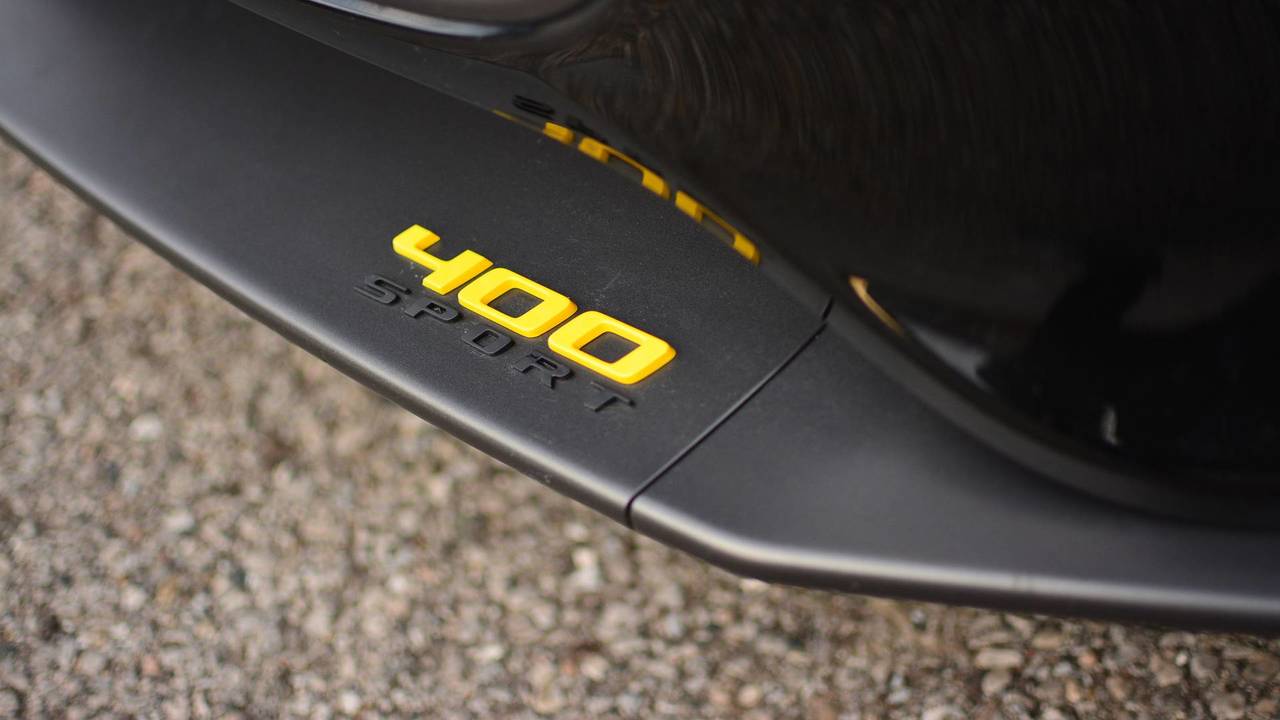
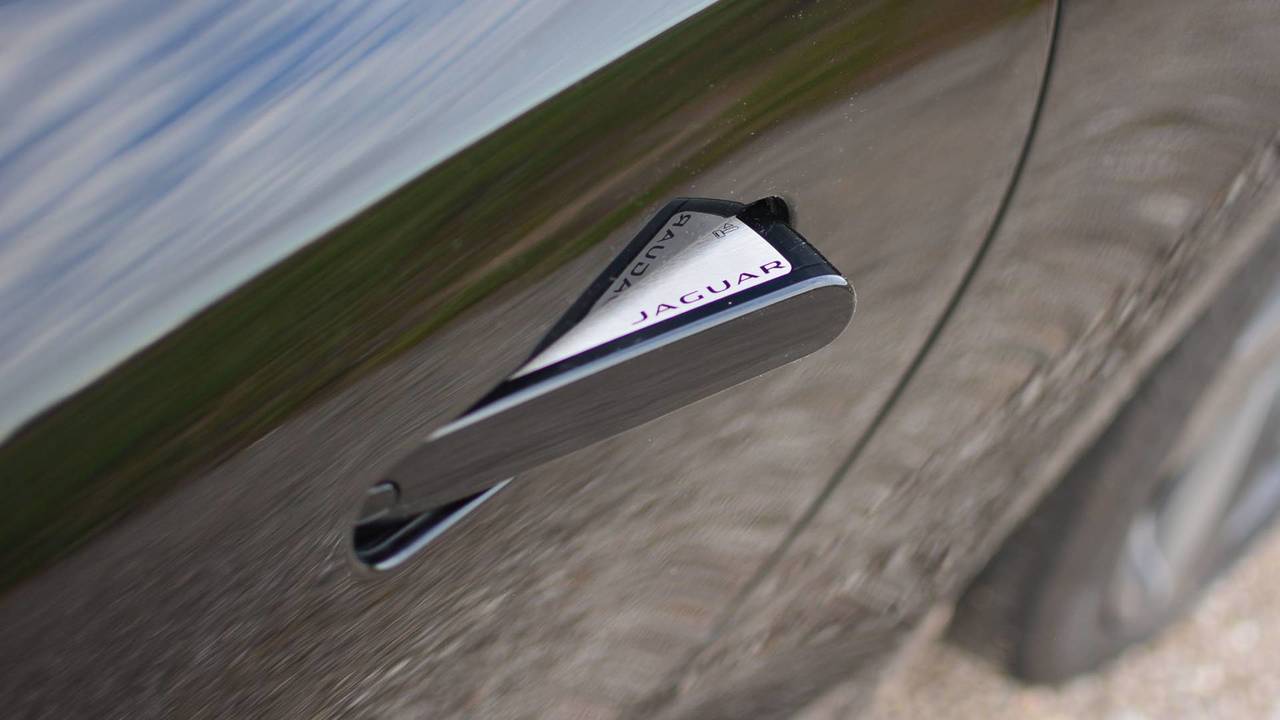
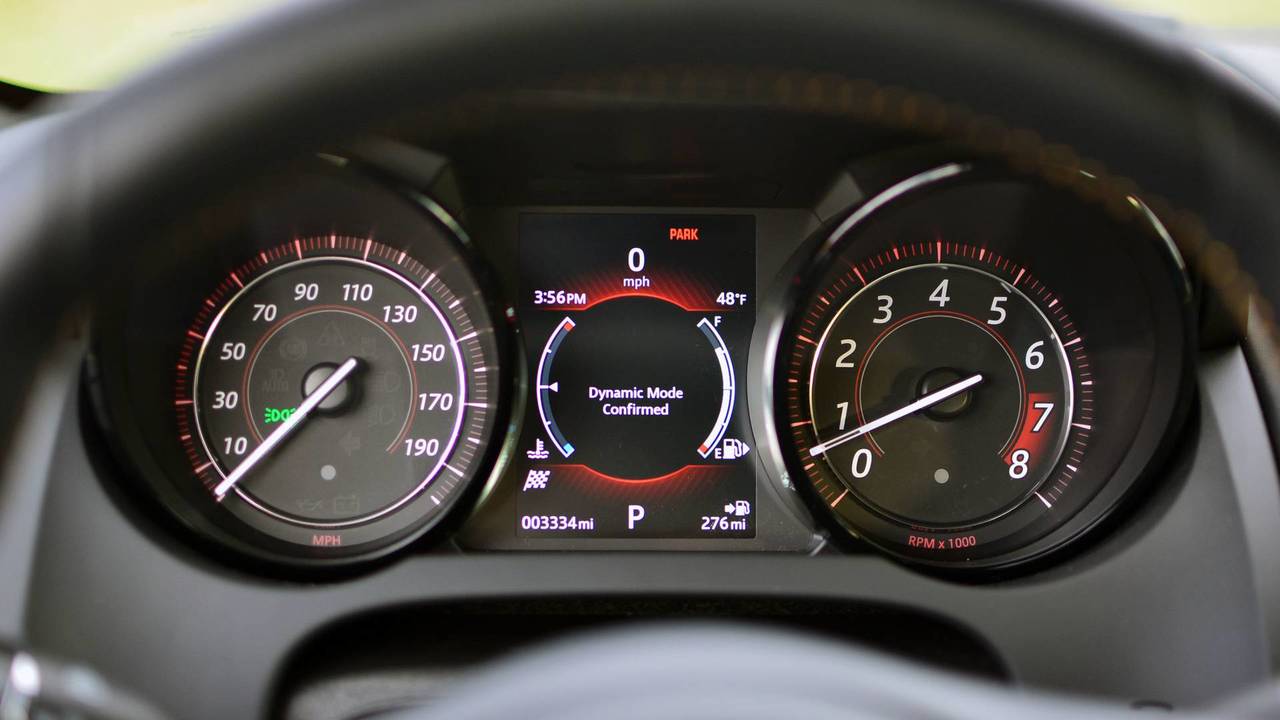
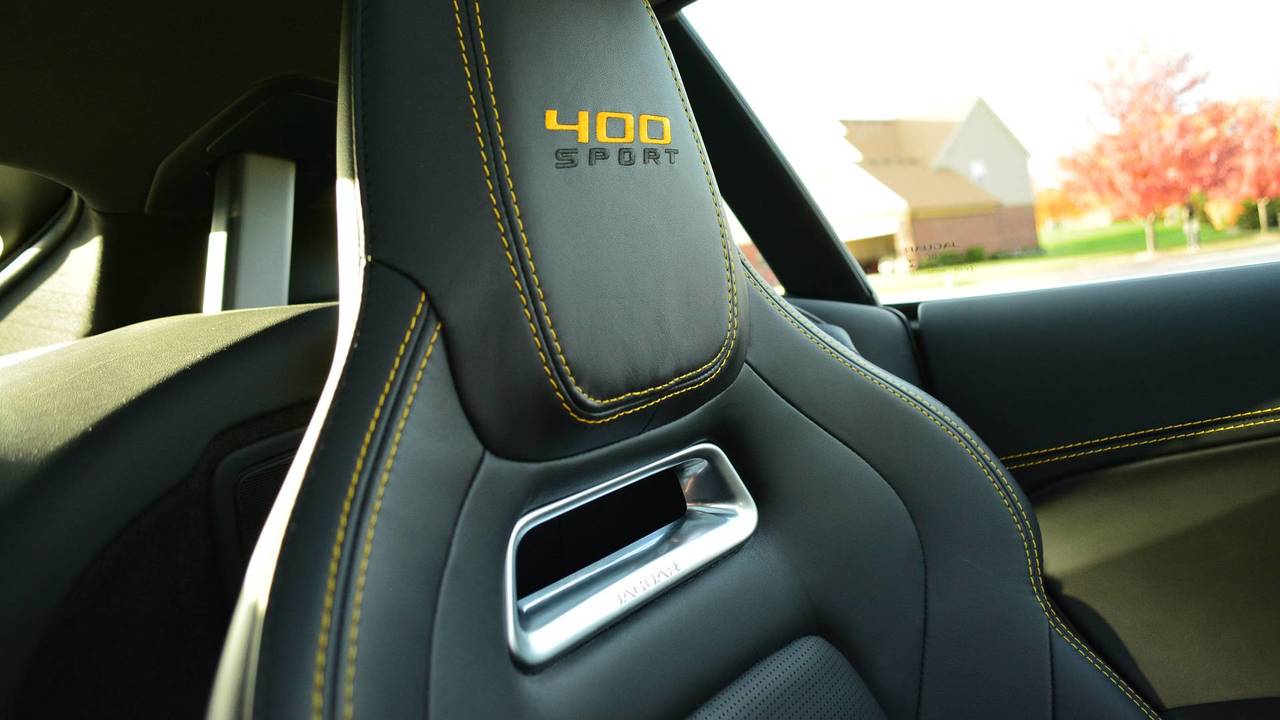
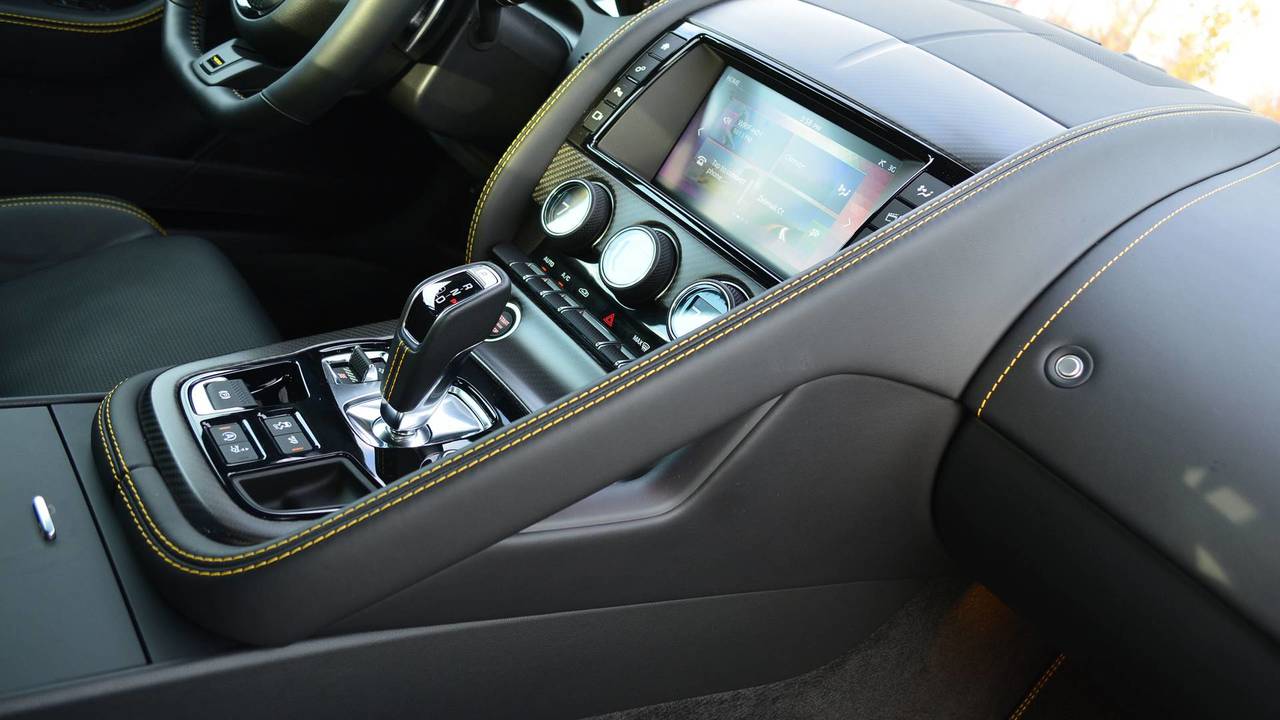
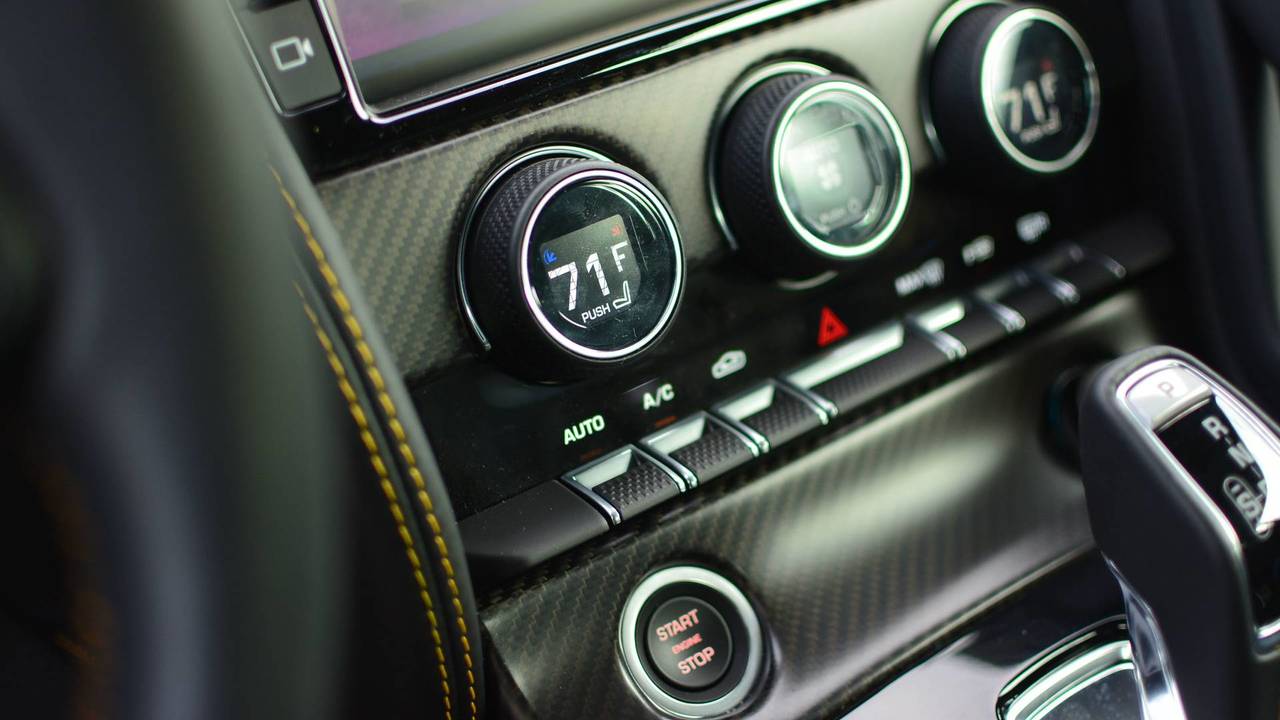
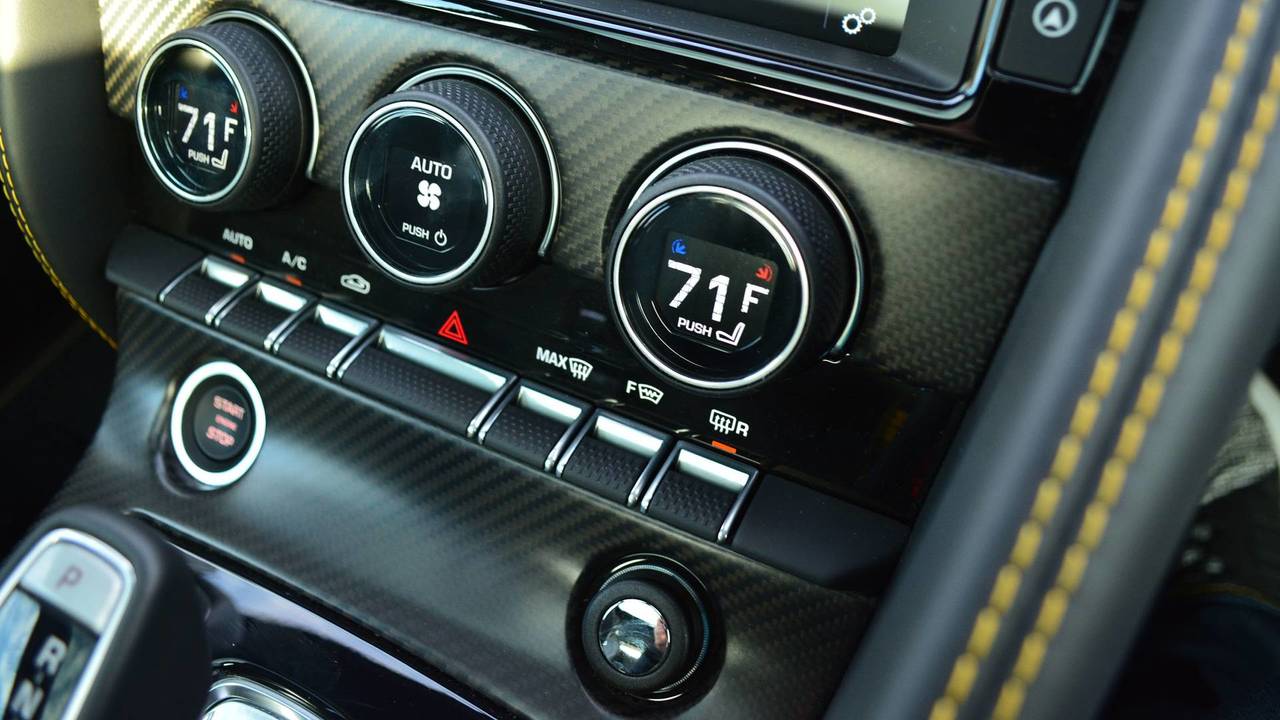
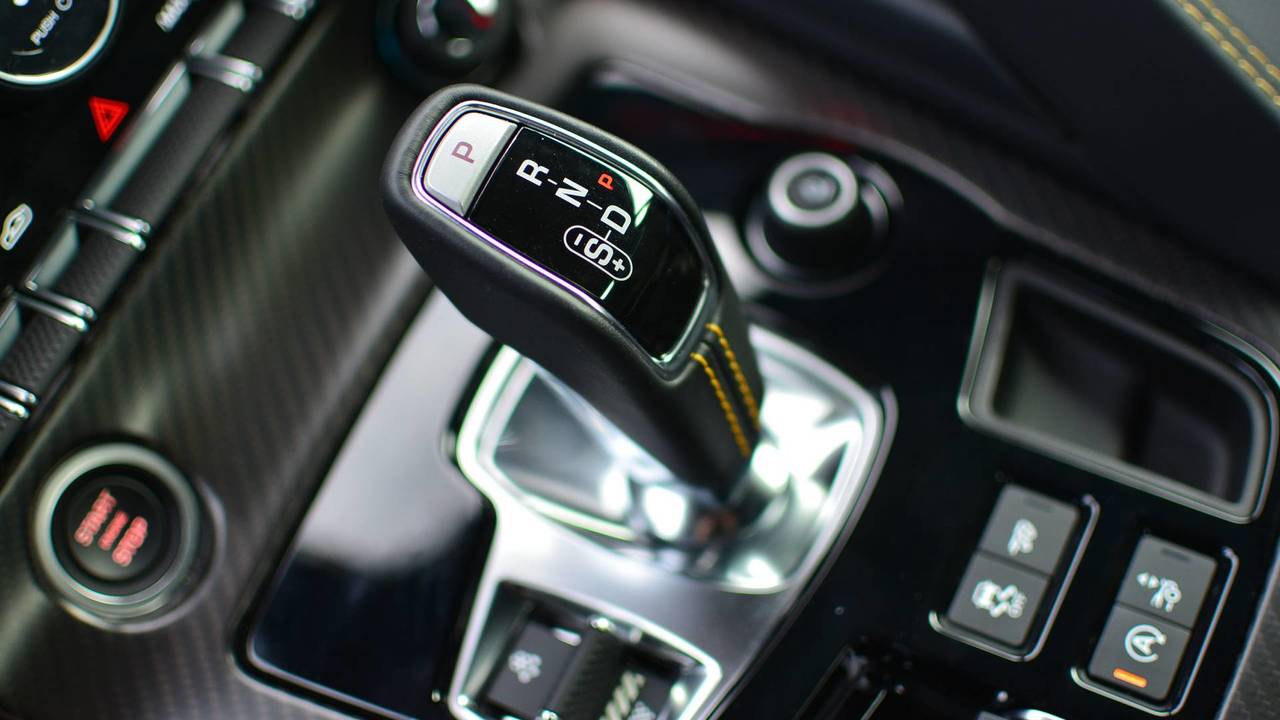
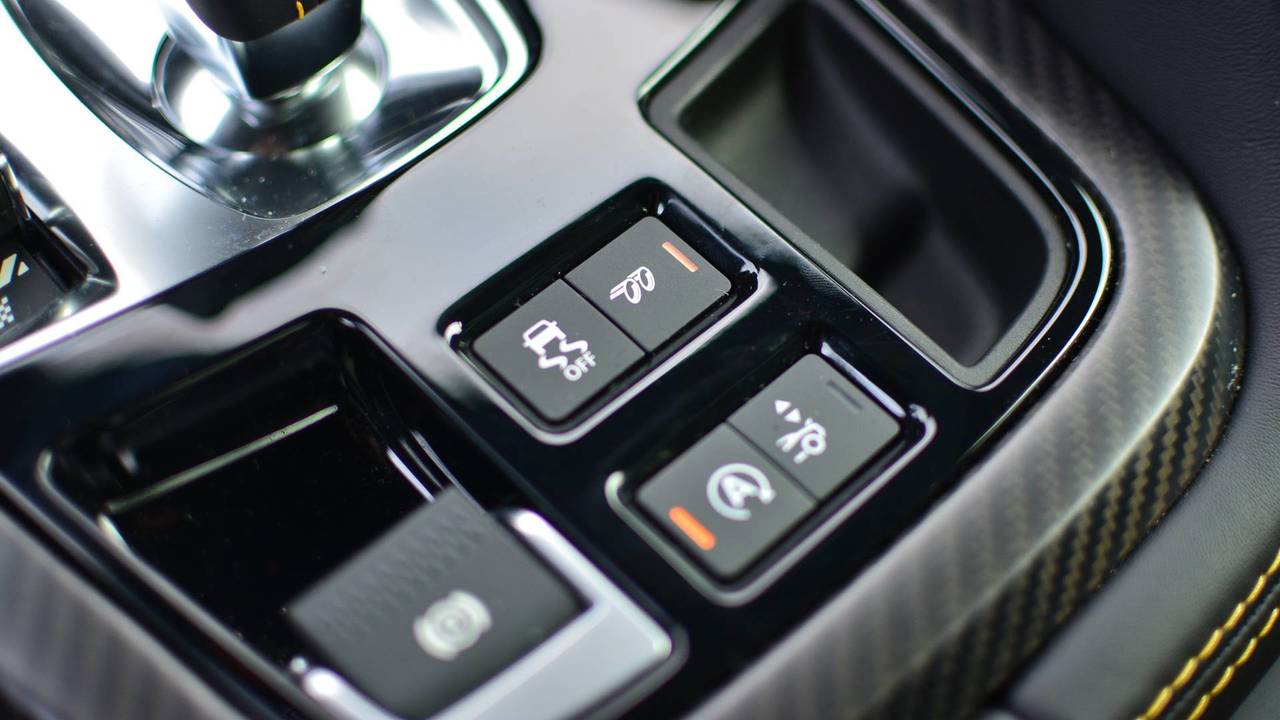
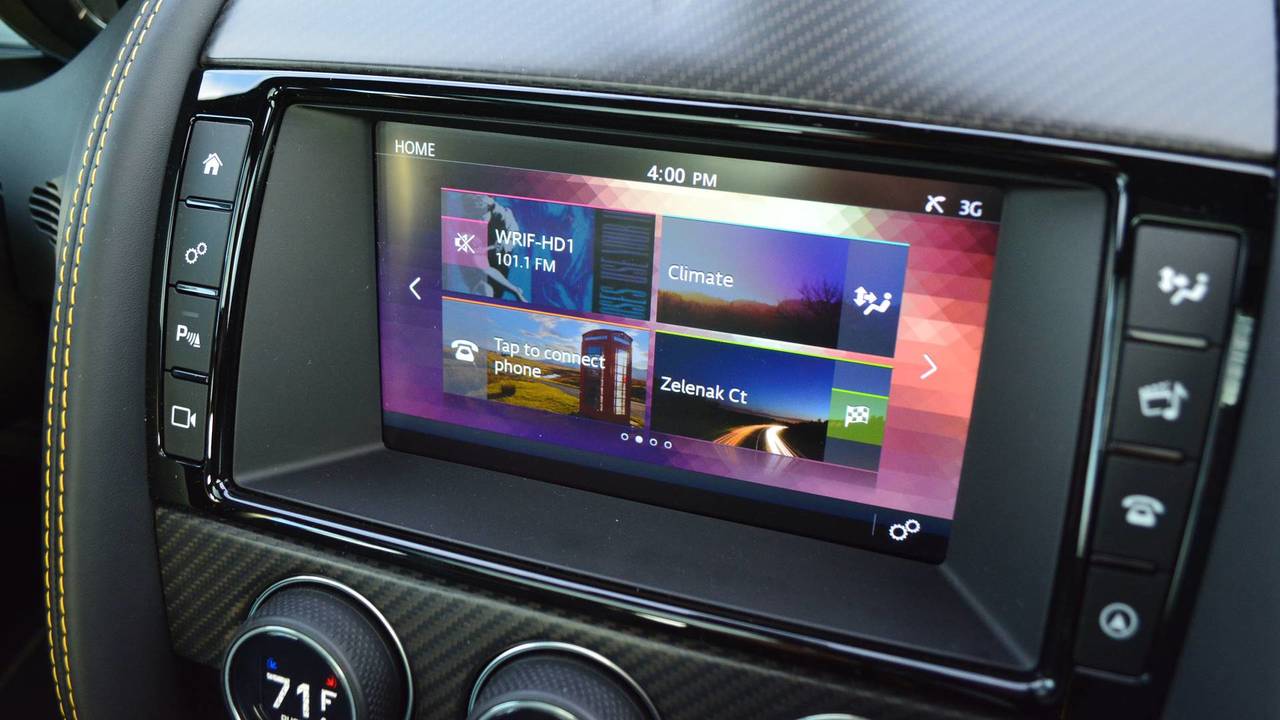
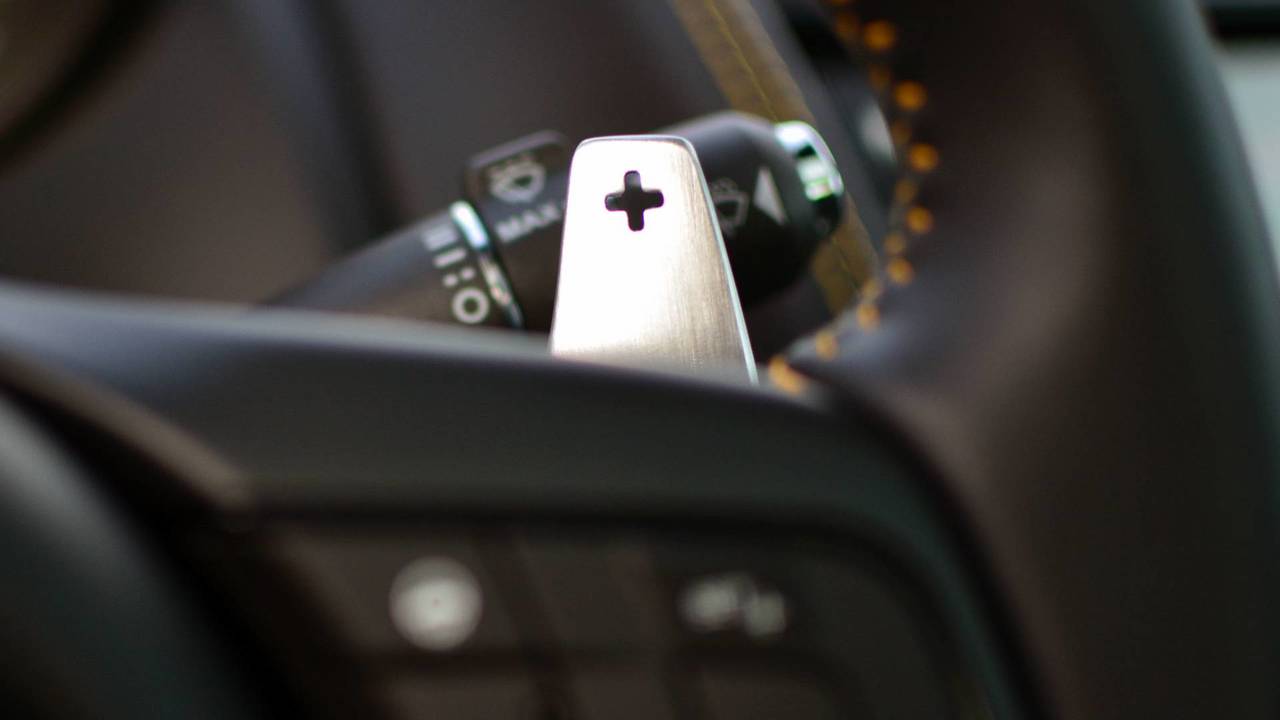
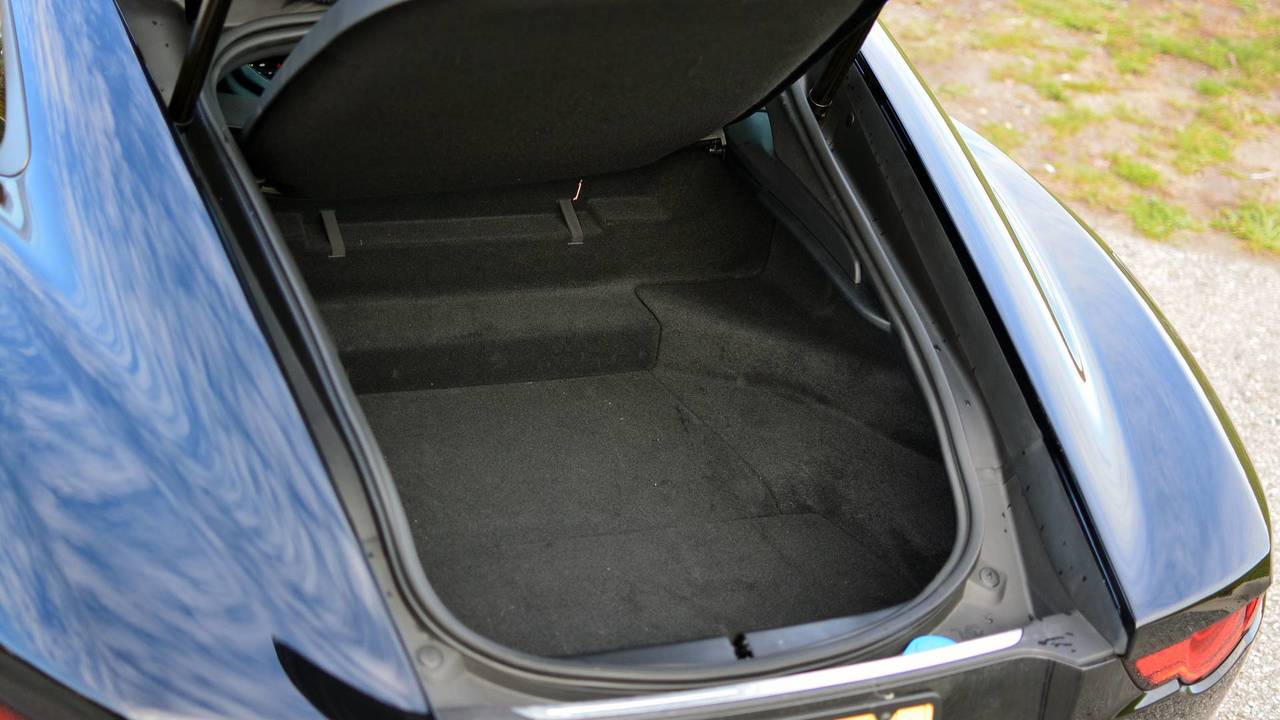
There aren’t many modern sports cars that look and sound quite like the Jaguar F-Type.
Jaguar introduced the F-Type as a convertible in 2013, with the coupe following shortly thereafter. It was the company’s first proper two-seat sports car in decades, and it stuck around through 2024. By the time production ended, Jaguar had built over 87,000 examples.
Over the course of that run, Jaguar offered the F-Type with four-, six-, and eight-cylinder power, as well as rear- and all-wheel-drive configurations. And while most examples you’ll find will feature an automatic gearbox, there are also manual F-Types if you know where to look.
Best of all, depreciation has made some versions shockingly affordable. Early examples now cost about as much as a nicely equipped new compact car. Of course, this is still a used Jaguar. So tread carefully.
Why Buy The Jaguar F-Type?

Let’s start with the obvious: Look at it. And then listen to it.
More than a decade after the original F-Type arrived, the design still looks fantastic. The long hood, short rear deck, and wide rear haunches give it classic sports-car proportions without making it look like a retro pastiche.
But the biggest reason to buy an F-Type is under the hood.
Early cars came standard with a supercharged 3.0-liter V6 producing 335 horsepower, while the F-Type S bumped that number to 375 hp. The original V8 S convertible made 488 hp, and later F-Type R models increased output to 542 hp. Eventually, the SVR and facelifted F-Type R reached 567 hp.
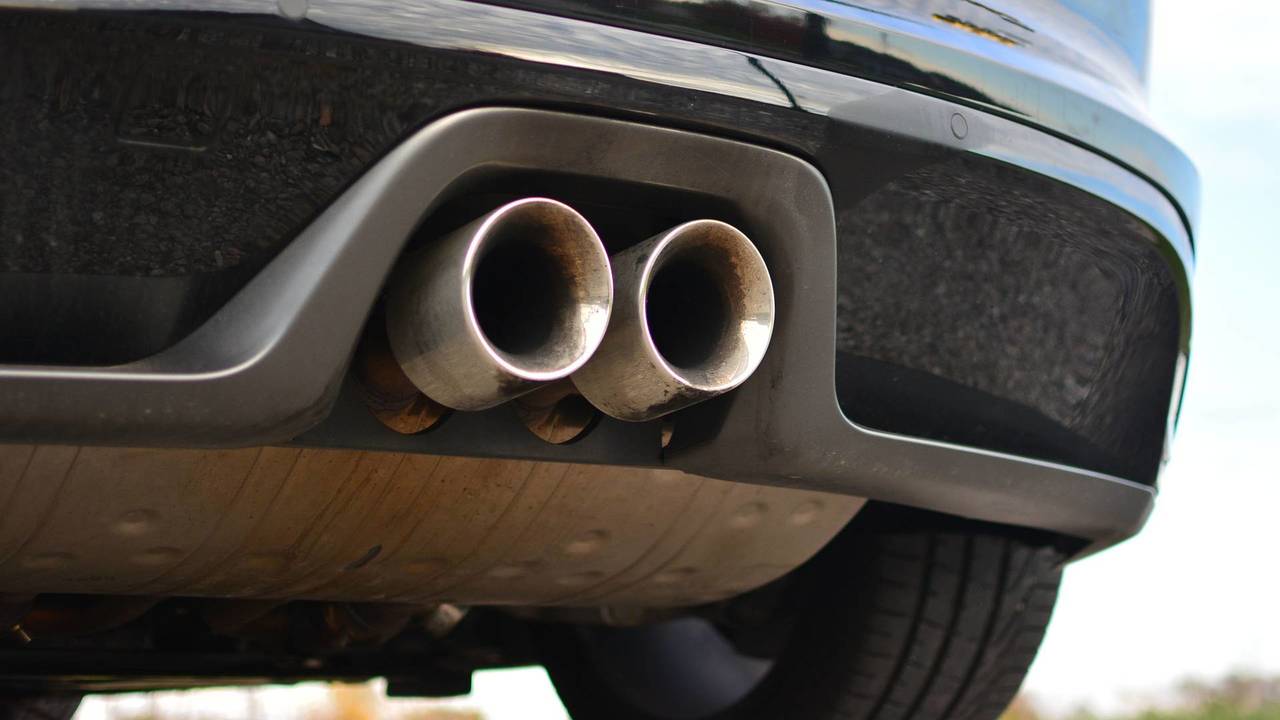
And all the engines sound tremendous, except for the short-lived turbo four-cylinder. The V8, however, sounds remarkable. The F-Type made overrun pops cool long before BMW fanboys ruined the fun.
In 2018, we noted that the F-Type is “Vivacious and strong, the supercharged V6 is all the engine you need to have a blast.”
‘Sure, the V8-powered R and SVR versions are quicker, but this six-cylinder F-Type still leaps like a pouncing, uh, jaguar.’
‘ Taut suspension, a firm brake pedal, and talkative steering all make the F-Type as much fun to hustle around curves as it is to accelerate in a straight line.’
‘The sports exhaust screams and shouts wonderful noises, letting the V6 snarl and punctuating your drive with crackles and snaps. You’re going to want to find some tunnels.’
The F-Type might not have the surgical precision of a Porsche 911, but that’s sort of the point. There’s something slightly unruly about the Jag. The steering is quick, the nose feels eager, and rear-wheel-drive V8s are more than happy to overwhelm the rear tires if you’re aggressive with the throttle.
Jaguar added all-wheel drive for 2016, which made the faster versions considerably easier to deploy. Albeit a bit less fun.
That same year, Jag also introduced one of the F-Type’s most interesting options: A six-speed manual transmission for rear-wheel-drive V6 models. The manual survived through the 2019 model year.
Those cars aren’t particularly common, and they’re likely to become some of the most desirable F-Types as the years go on.
The turbocharged 2.0-liter four-cylinder that arrived later is fine. But if you’re buying an F-Type because you’ve always wanted an F-Type, the V6 or V8 is where the personality lives.
How Much Is A Used Jaguar F-Type?
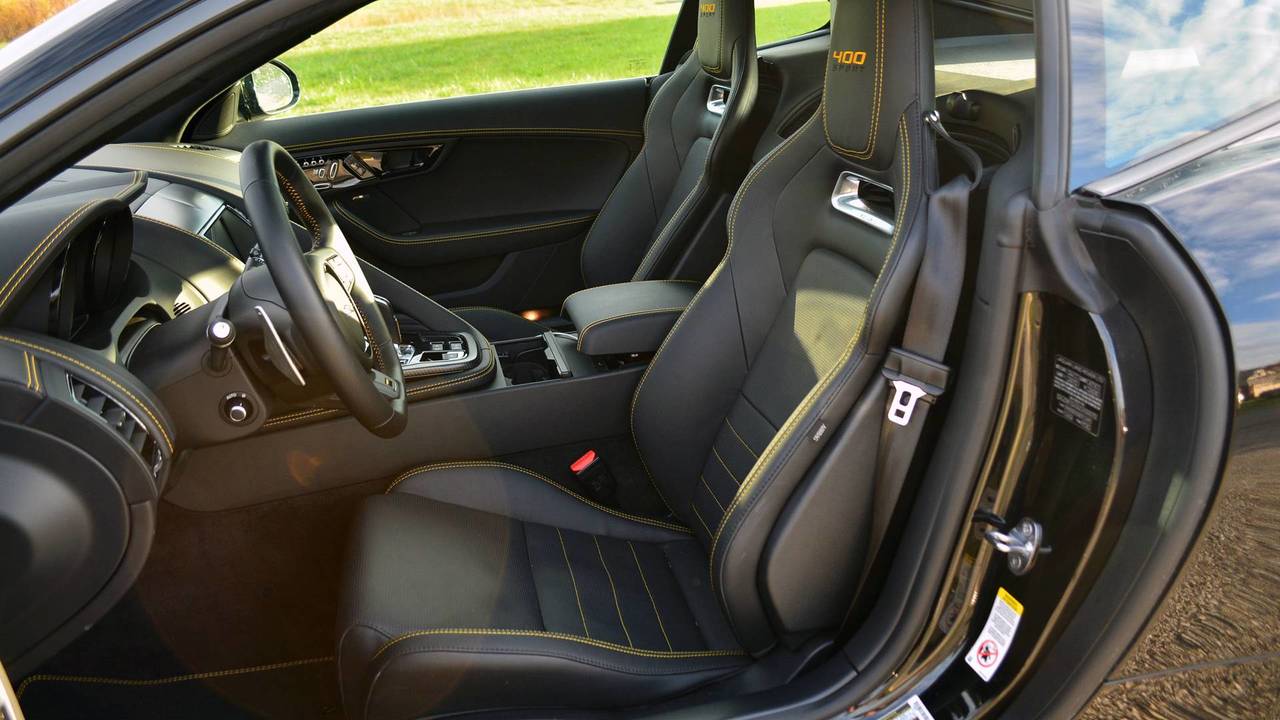
The F-Type was never cheap. A base 2014 convertible had an original sticker price of more than $70,000, while the V8 S started at more than $93,000. Today, Kelley Blue Book pricing has the F-Type well within attainable territory:
2014 Jaguar F-Type (Base): $17,570
2014 Jaguar F-Type V8 S: $19,380
That is a heck of a lot of car for less than $20,000.
Newer models obviously command more money. A later-model with the 340-hp V6 likely lands around $30,000, and a 380-hp model pushes up over $33,000. Step up to the V8, and you’re looking at approximately $43,200 for an F-Type R or $53,000 for an SVR.
Even the final-year cars have taken a hit, however. A 2024 P450 coupe that started at $77,900 now has a KBB Fair Purchase Price of roughly $55,400, while the 575-hp R75 coupe sits closer to $77,700.
Those values will vary considerably based on mileage, condition, options, and service history, but the broader point stands: Used F-Types are significantly cheaper than they were new. Just don’t mistake a cheap purchase price for cheap ownership.
Which Jaguar F-Type Should You Buy?
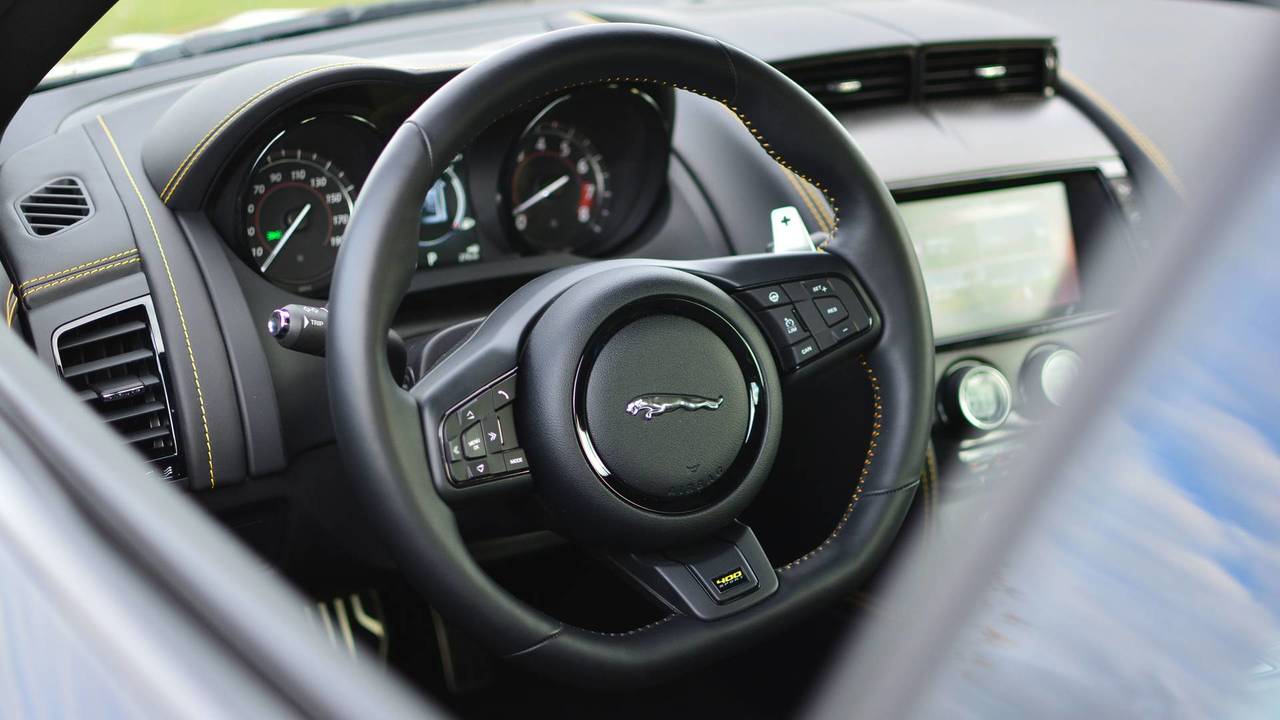
There are a few answers.
For most buyers, you’ll find the best value in a later supercharged V6. The 380-hp V6 S and R-Dynamic cars hit a particularly nice middle ground. They’re plenty quick, still make decent noise, and they generally cost substantially less than an R or SVR.
If you want a manual, your decision gets even easier. Jaguar only offered the six-speed stick with rear-wheel-drive V6 models, beginning in 2016 and ending after 2019.
But let’s be serious: The V8 is the one you really want.
An F-Type R combines supercar noise and tremendously entertaining performance with one of the prettiest shapes of the last 20 years. The later SVR and 567-hp R are faster, but the 542-hp R already provides more performance than you’ll realistically need on the street.
And if you’re shopping purely with your heart, I’d favor a coupe. The convertible is excellent, but that sweeping roofline is arguably the F-Type design at its best.
What Could Go Wrong?

The supercharged V6 and V8 engines have a well-documented weak point in their cooling systems. Owners frequently report leaks from the plastic coolant crossover and Y-pipes buried beneath the supercharger, as well as water pump failures. Earlier seamed coolant pipes appear to be especially vulnerable; Jaguar enthusiast documentation points to revised components being phased in around the 2017-2018 period.
The problem isn’t necessarily the price of the pipe itself. It’s getting to it. Replacing some of those components requires removing the supercharger, so labor can turn what looks like a simple coolant leak into a surprisingly expensive repair.
When inspecting a car, pay close attention to the coolant level. Look for dried residue around the engine, smell for coolant after a test drive, and don’t assume that a lack of puddles means everything is fine. The F-Type’s undertray can hide small leaks.
Service history is critical, too. A heavily modified or poorly maintained F-Type is probably not the bargain you think it is. These cars can chew through expensive tires and brakes, and suspension, electronic, roof, or infotainment repairs can quickly erase whatever you saved on the purchase price.
Manual cars deserve extra attention. Make sure the clutch engages smoothly and that the transmission shifts cleanly, particularly from first to second.
I’d strongly recommend having any F-Type inspected by a Jaguar specialist before handing over money. Spending a few hundred dollars before buying could save you thousands afterward.
Also, I’ve heard mention that parts are becoming harder to come by.
What Else Could You Buy?
The easy answer would be a Porsche Cayman or Boxster, if you have the cash. Those are both brilliant machines that deliver a more precise experience compared to the F-Type. But neither one holds a candle to the Jag in the noise department.
Plus, I feel like I see a ton more Porsches on the road compared to F-Types. Why settle for the norm when you can stand out?
Chevrolet Corvette
Lexus LC500
Mercedes-AMG GT
Porsche Cayman / Boxster
Should You Buy A Used Jaguar F-Type?
Yes—but with one important caveat: Buy the best one you can afford, not the cheapest one you can find.
The F-Type occupies a pretty unusual place in today’s used-car market. For around $25,000, you can get a genuinely beautiful two-seat sports car with a supercharged engine, rear-wheel drive, and enough personality to make most new cars feel sterile by comparison.
Spend more, and you can get one of the best-sounding V8 sports cars of the modern era.
Is a used Porsche Cayman probably the more sensible choice? Absolutely. Is a Corvette likely to be cheaper to maintain? Almost certainly. But neither one of those is an F-Type.
And with Jaguar’s final F-Type already built, there won’t be another gasoline-powered Jaguar sports car like it. Ever.
Why Buy A Used Lexus GS F? Because A High-Revving V8 Sedan Is Worth Saving
Why Buy A Used Ford Focus RS? Because It’s Still Special
Why Buy A Used Chevy SS? Two Words: V8. Manual.
We Drove (Nearly) Every 2026 Toyota RAV4 Trim. Here’s Which One to Buy