Buying a new car has become more expensive than ever, but the costs don’t stop when you drive off the dealer lot. For many owners, the biggest financial surprise comes later when something needs to be repaired.
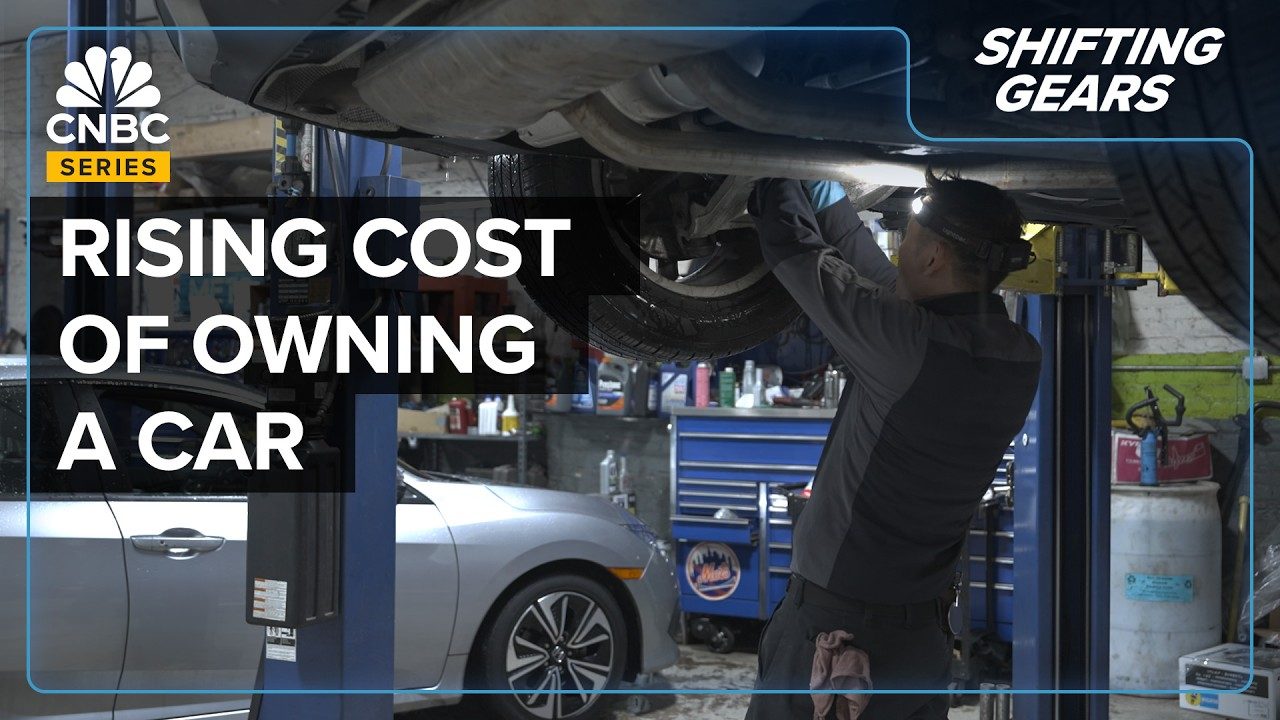
A minor accident or mechanical issue that once might have been a relatively affordable fix can now result in a repair bill costing thousands of dollars. While inflation has played a role, the biggest reason is that modern vehicles are far more complex than the cars of previous generations.
Today’s cars are filled with cameras, sensors, computers, advanced driver-assistance systems, and sophisticated powertrains. Those features make vehicles safer and more efficient, but they also make repairs more complicated and expensive.
Welcome to Motor101, our series dedicated to answering the internet’s biggest automotive questions. From the origins of iconic designs to the engineering breakthroughs that shaped the world’s greatest cars, we uncover the stories behind the vehicles you love.
Modern Cars Are Packed With Expensive Technology
One of the biggest reasons repair costs have increased is the amount of technology built into today’s vehicles.
Features that were once reserved for luxury models, such as adaptive cruise control, lane-keeping assist, blind-spot monitoring, and automatic emergency braking, are now common across the industry. These systems rely on cameras and sensors placed throughout the vehicle, many of which can be costly to replace.
Even a relatively minor accident can trigger a surprisingly large repair bill. A damaged bumper may no longer be just a piece of plastic—it could contain radar sensors, wiring, and other components needed for safety systems.
Windshields have also become more complicated. Many vehicles now have cameras mounted behind the glass that monitor lane markings and assist with driver-assistance features. Replacing the windshield often requires additional calibration work to ensure those systems function properly.
Why Repair Bills Keep Getting Higher
Several factors have combined to make modern vehicle repairs more expensive:
- More electronics: Modern vehicles rely on dozens of computers and electronic modules that can be costly to diagnose and replace.
- Advanced safety systems: Cameras and sensors need precise calibration after certain repairs, adding time and labor costs.
- More complex engines: Turbochargers, hybrid systems, direct injection, and advanced emissions equipment require specialized knowledge.
- Higher-priced parts: Many components now include built-in technology instead of being simple mechanical pieces.
- Specialized labor: Technicians need expensive tools, software, and training to properly service newer vehicles.
Cars Are More Like Computers on Wheels
The days of fixing most vehicle problems with basic tools in a driveway are becoming less common.
Modern vehicles require advanced diagnostic equipment to identify issues and often need software updates or programming after parts are replaced. A mechanic may not just swap a failed component—they may also need to connect the vehicle to a computer and configure the new part to work with the rest of the car.
This complexity has increased the need for specialized technicians, which also raises labor costs.
Electric Vehicles Add Another Layer of Complexity
Electric vehicles have fewer traditional maintenance needs, but repairs involving their unique components can be expensive.
Battery packs, electric motors, and high-voltage systems require specialized equipment and training. While complete battery replacements are uncommon, even smaller repairs involving EV components can require technicians with specific certifications.
At the same time, EVs often include many of the same advanced cameras and sensors found on modern gasoline vehicles, meaning they face many of the same repair challenges.
But It’s Not Just EVs—It’s Every New Car
If you ask the internet why repair bills seem to be getting out of hand, you’ll quickly discover this isn’t just an EV problem. In a recent Reddit discussion sparked by concerns over Hyundai Ioniq 5 repair costs, owners and technicians argued that nearly every new vehicle has become significantly more expensive to fix, regardless of what’s powering it.
Much of the conversation centered around the growing number of cameras, radar sensors, and electronic systems hidden behind bumpers, grilles, windshields, and even headlights. Replacing a damaged part is often only half the job. Many components now require specialized calibration before the vehicle can safely return to the road, adding hours of labor and hundreds—or even thousands—of dollars to the final bill.
That lines up with what repair shops have been saying for years. Modern vehicles are safer and more technologically advanced than ever before, but every new feature—from blind-spot monitoring to adaptive cruise control—adds another layer of complexity when something gets damaged. Even a relatively minor fender bender can become a surprisingly expensive repair once sensors need replacing and recalibrating.
Older Cars Are Becoming More Appealing
The rising cost of repairs is one reason some drivers are choosing to keep older vehicles longer.
Cars from the 1990s and early 2000s often lack many of the complicated systems found in newer models. Their simpler designs can make them easier and cheaper to repair, although aging parts and availability can create their own challenges.
For some buyers, the appeal of an older vehicle isn’t just nostalgia—it’s the possibility of avoiding expensive modern repairs.
Modern Cars Are Better, But Complexity Has a Cost
Today’s vehicles offer benefits that were hard to imagine decades ago. They are safer, more efficient, and packed with features that improve comfort and convenience.
But all that technology comes with a tradeoff.
As automakers continue adding more advanced systems to vehicles, repair costs will likely remain higher than what many drivers experienced in the past. For anyone shopping for a new car, the purchase price is only part of the ownership equation—maintenance and repair costs are becoming just as important.