Buying a big luxury sedan new has never been a particularly sound financial decision. Buying one after somebody else has already absorbed the depreciation, well, that’s different.
Take the Lexus LS 500, for example. When the fifth-generation LS arrived for 2018, the base model started at just over $76,000. Start checking option boxes, and it wasn’t difficult to push one toward—or even beyond—six figures.
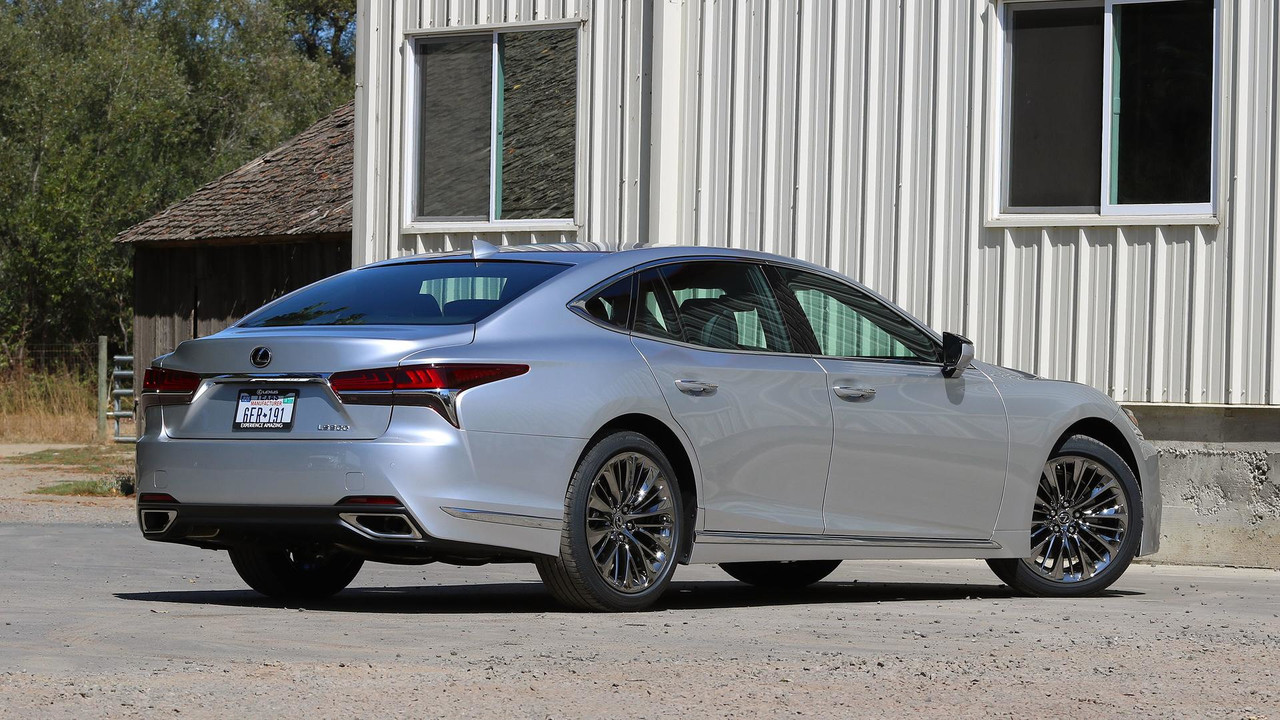
Today, an early LS 500 can be had for less than half that. And this luxury barge still looks and feels like a proper flagship because the fifth-generation LS is the current-gen model, and the last of its kind here in North America. For now, at least.
Why Buy The Lexus LS 500?
Comfort. That is the number one reason to buy a Lexus LS 500.
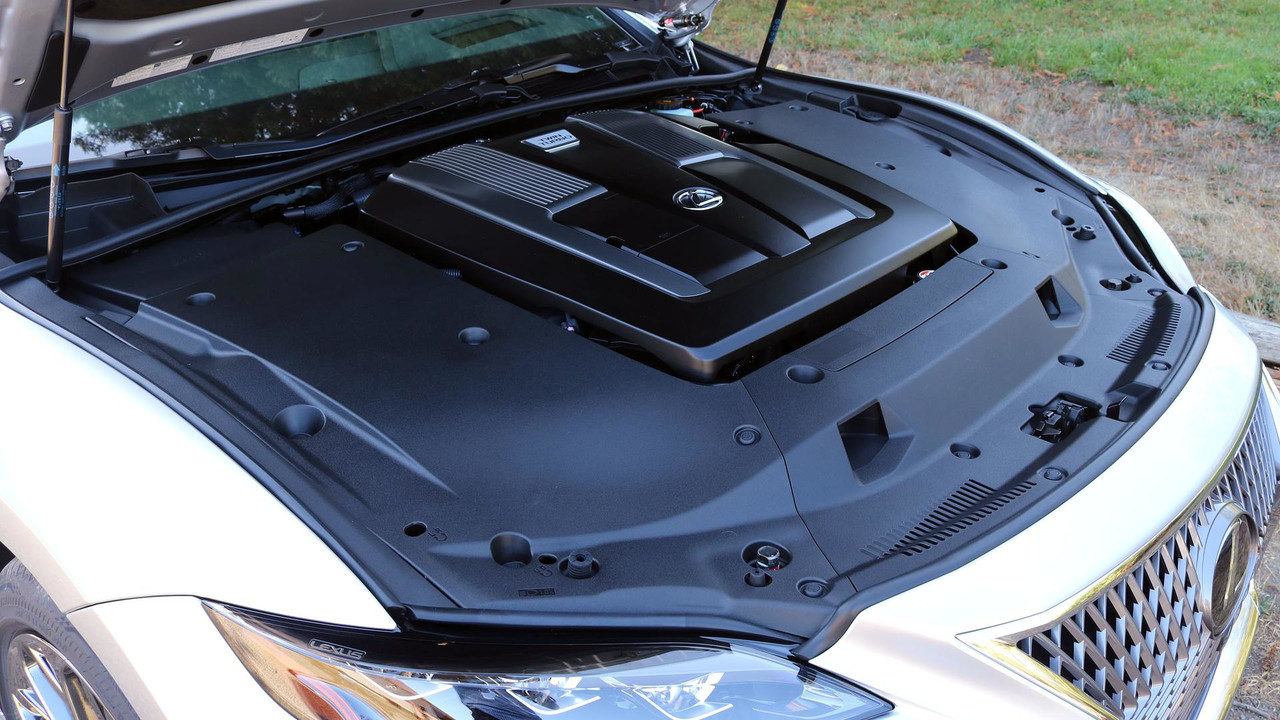
The fifth-generation LS ditched the naturally aspirated V8 of its predecessor (sadly), replacing it with a twin-turbocharged 3.5-liter V6 producing 416 horsepower and 442 pound-feet of torque. A 10-speed automatic sends that power to either the rear wheels or all four.
Despite weighing well over 4,500 pounds, Lexus claimed the rear-drive LS 500 could hit 60 mph in about 4.6 seconds. That’s legitimately quick, but performance isn’t the reason you scoop one of these up.
When we first drove the 2018 LS 500, we described its behavior as “unerringly pleasant.”
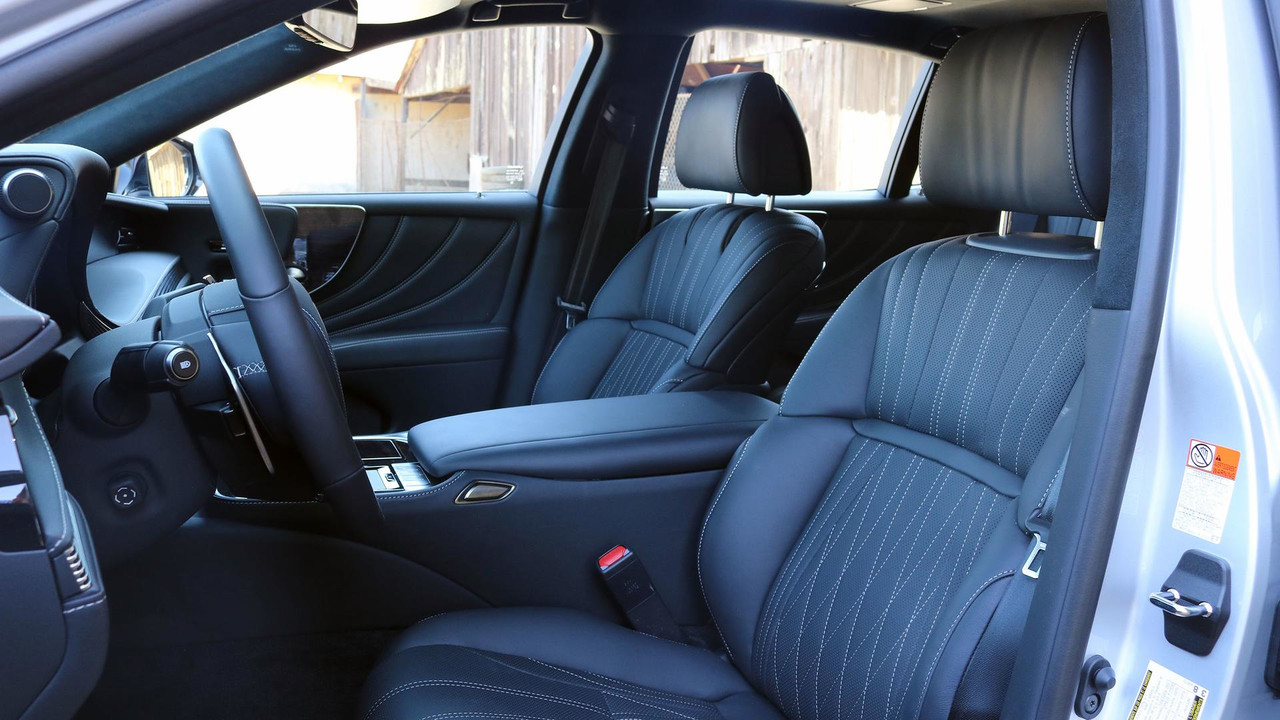
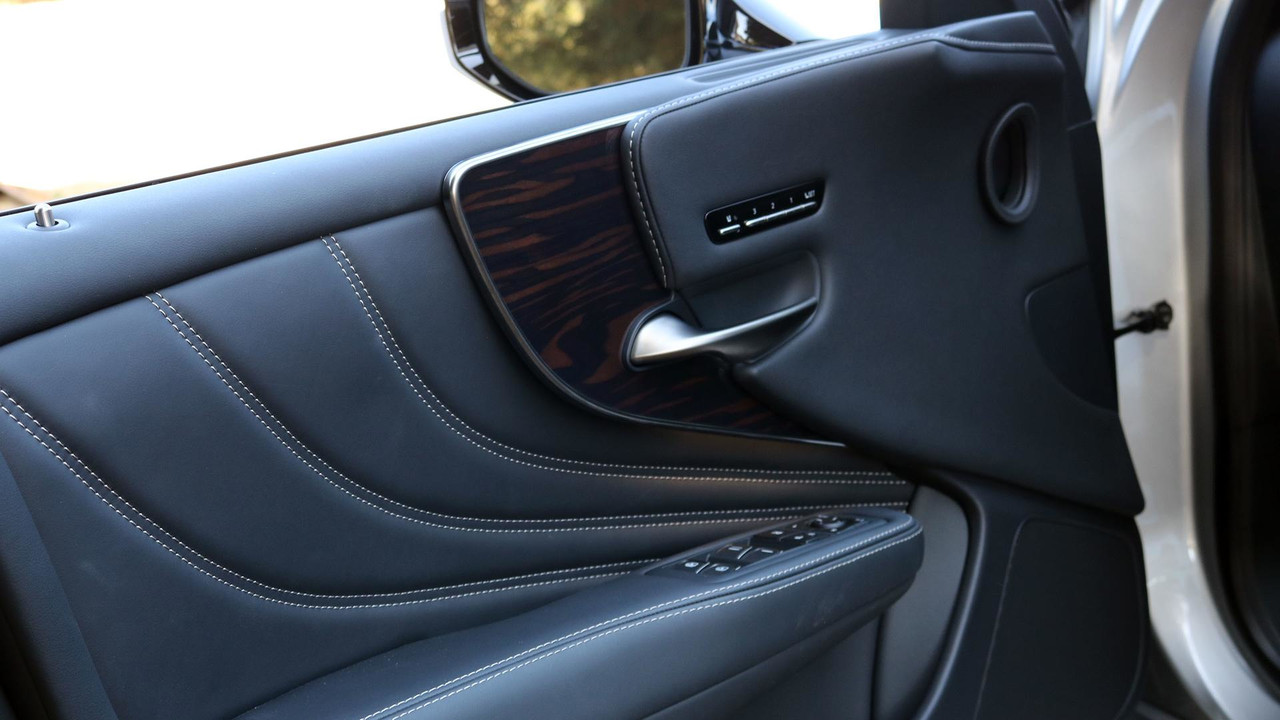
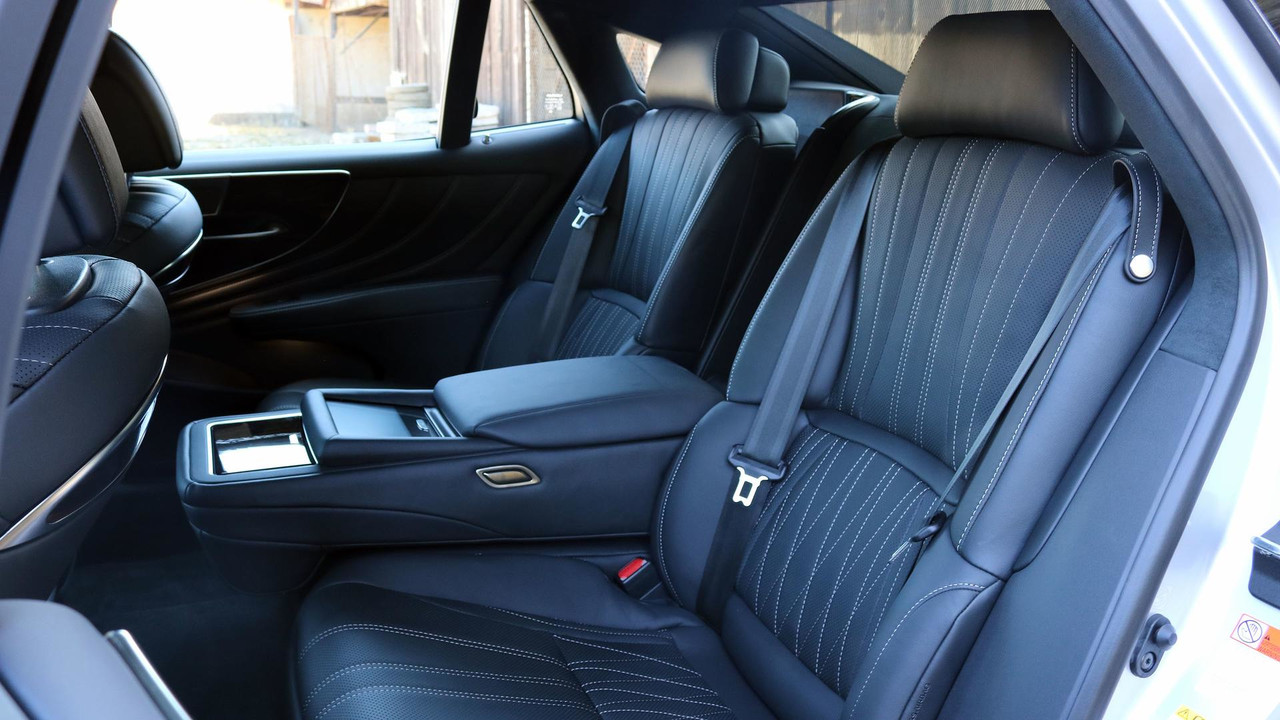
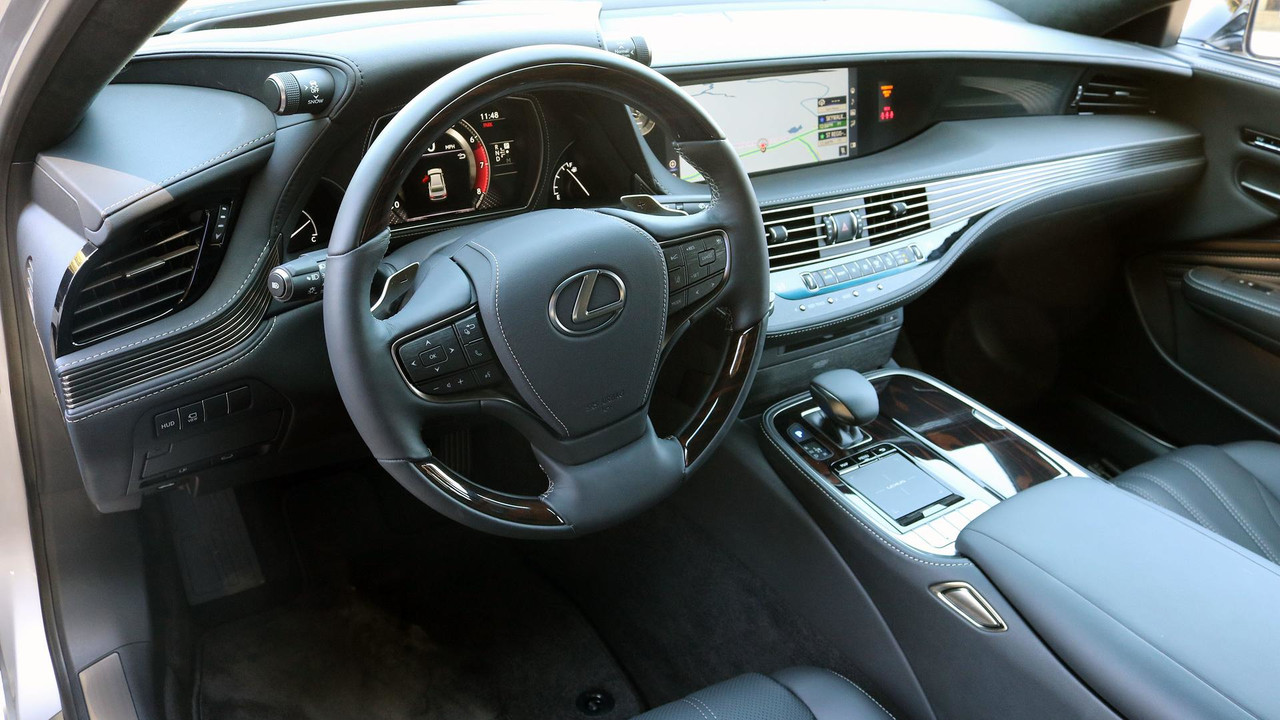
‘As well as spacious, the cabin is a sight to behold. On high-trim models, Lexus points to laser-cut wood trim, hand-folded fabric door-card inserts, Kiriko Cut glass trim, and ambient lights inspired by Japanese “Andon” illumination.’
‘The electric power steering has just the right amount of assist, while the suspension is plush in every drive mode.’
‘Whether you’re behind the wheel or just along for the ride, you’ll find the new car provides effortless, easy transportation with a high level of comfort and style.’
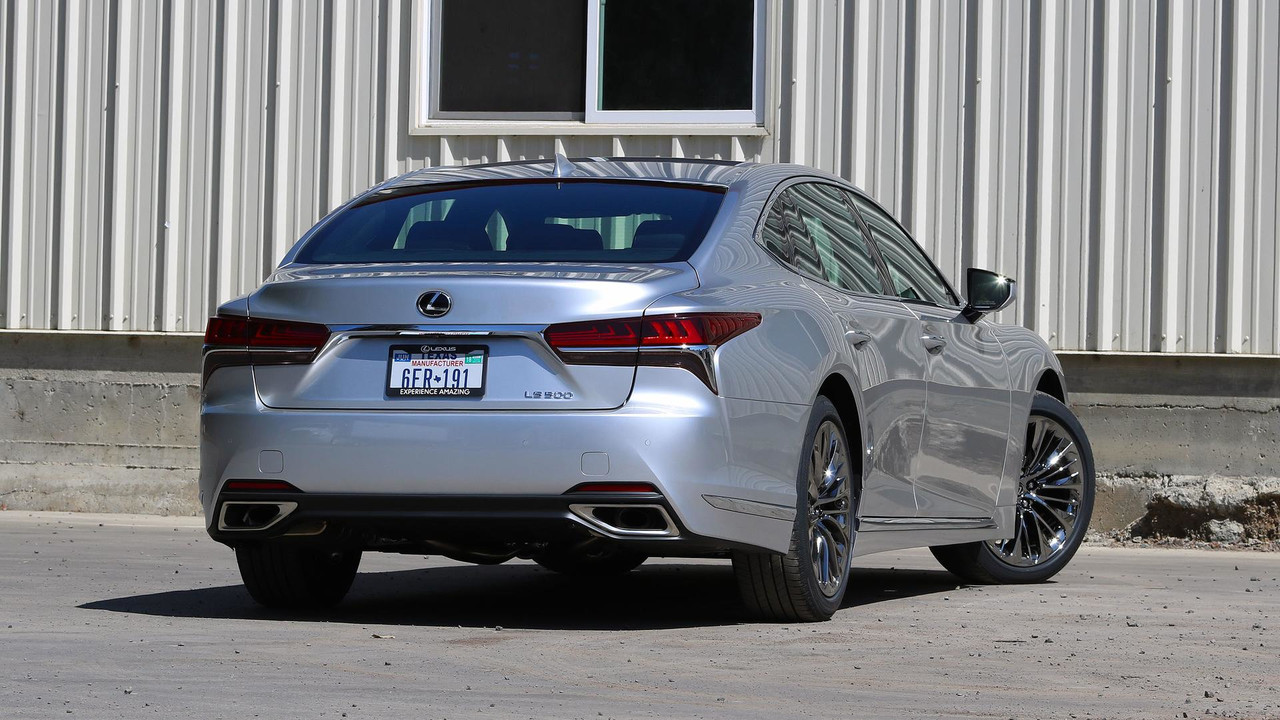
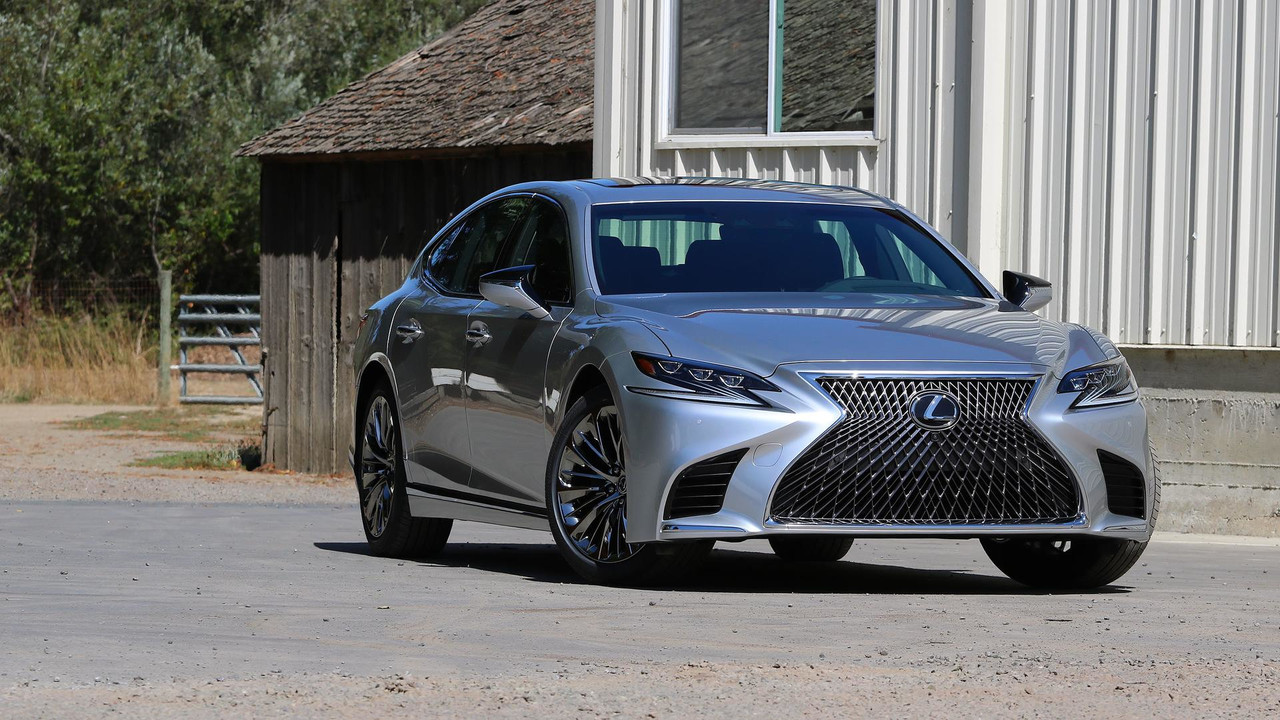
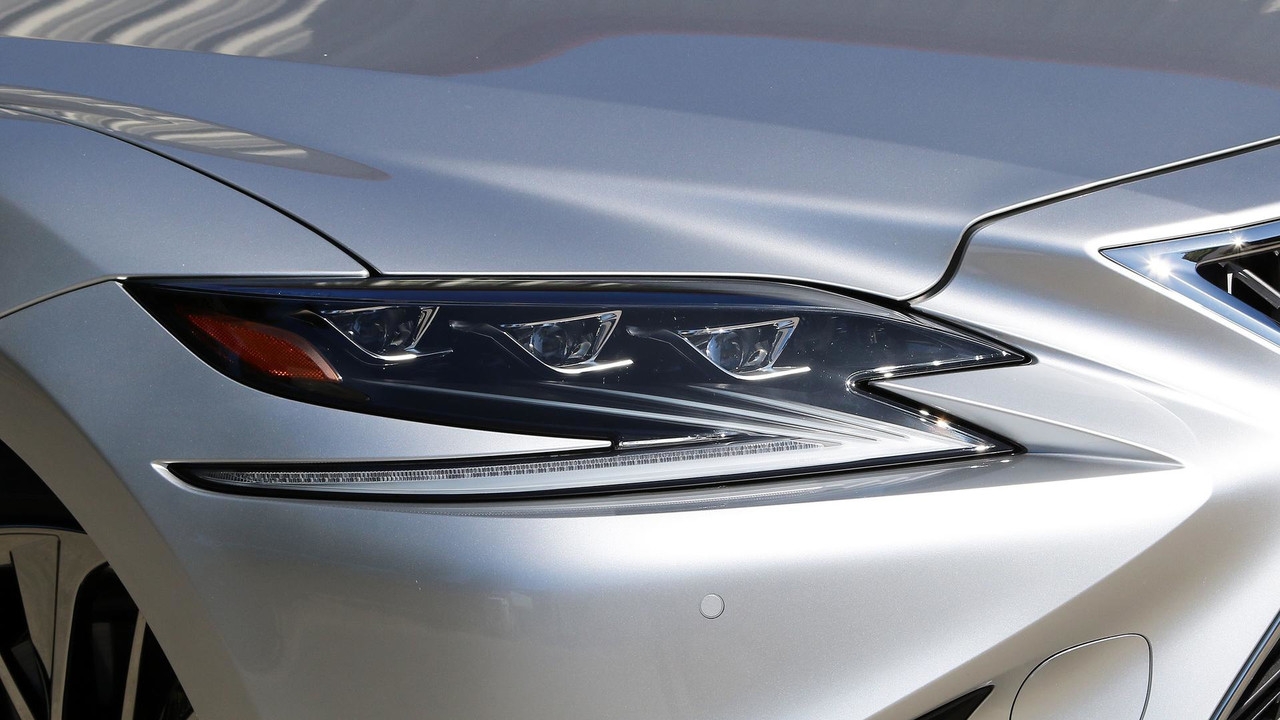
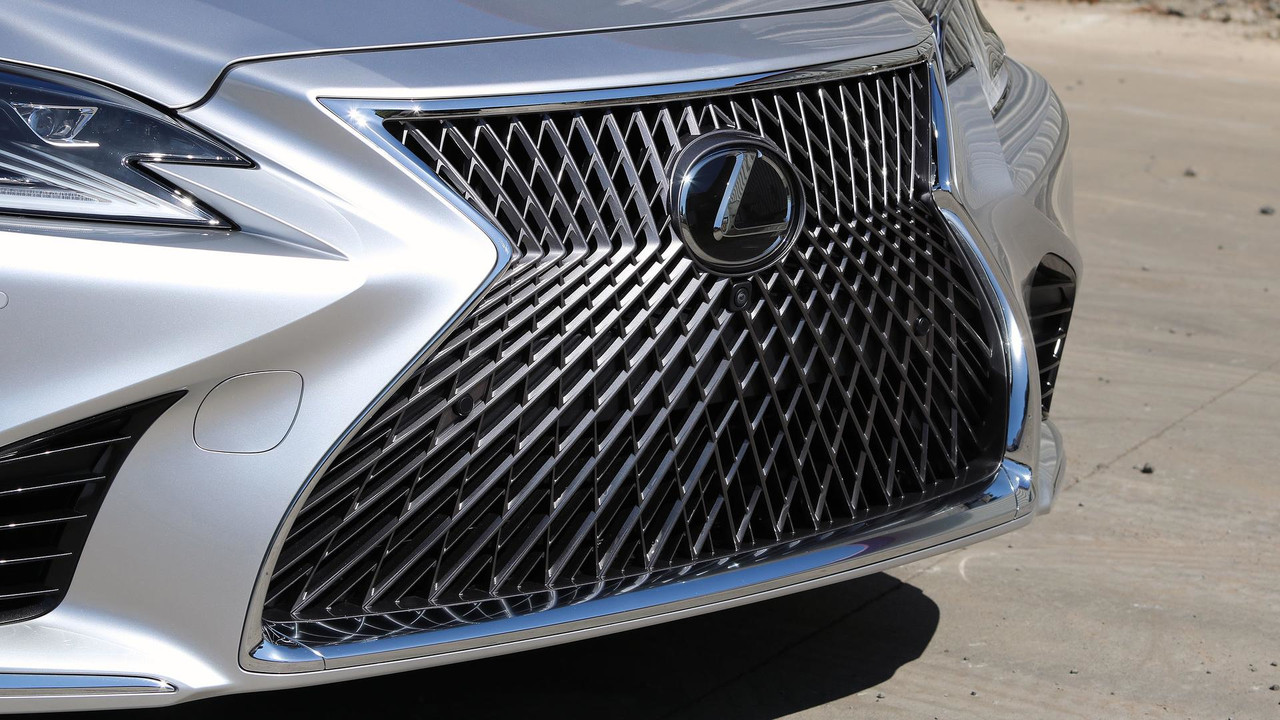
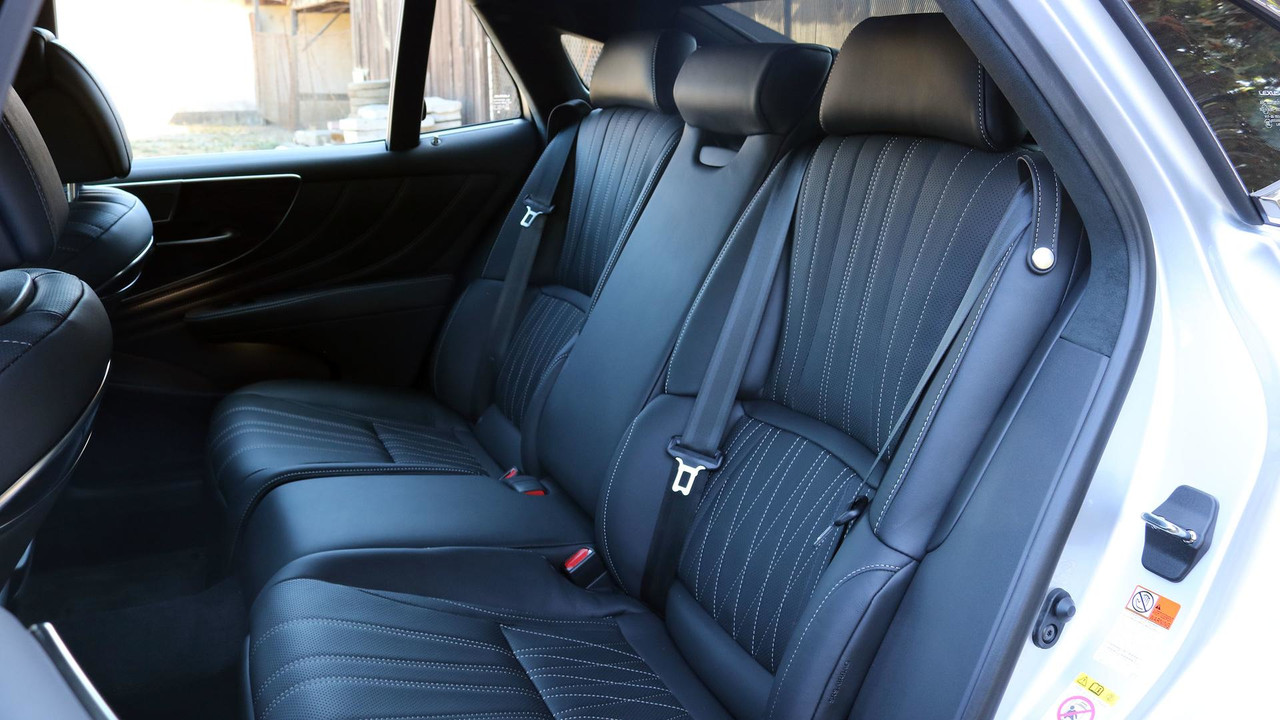
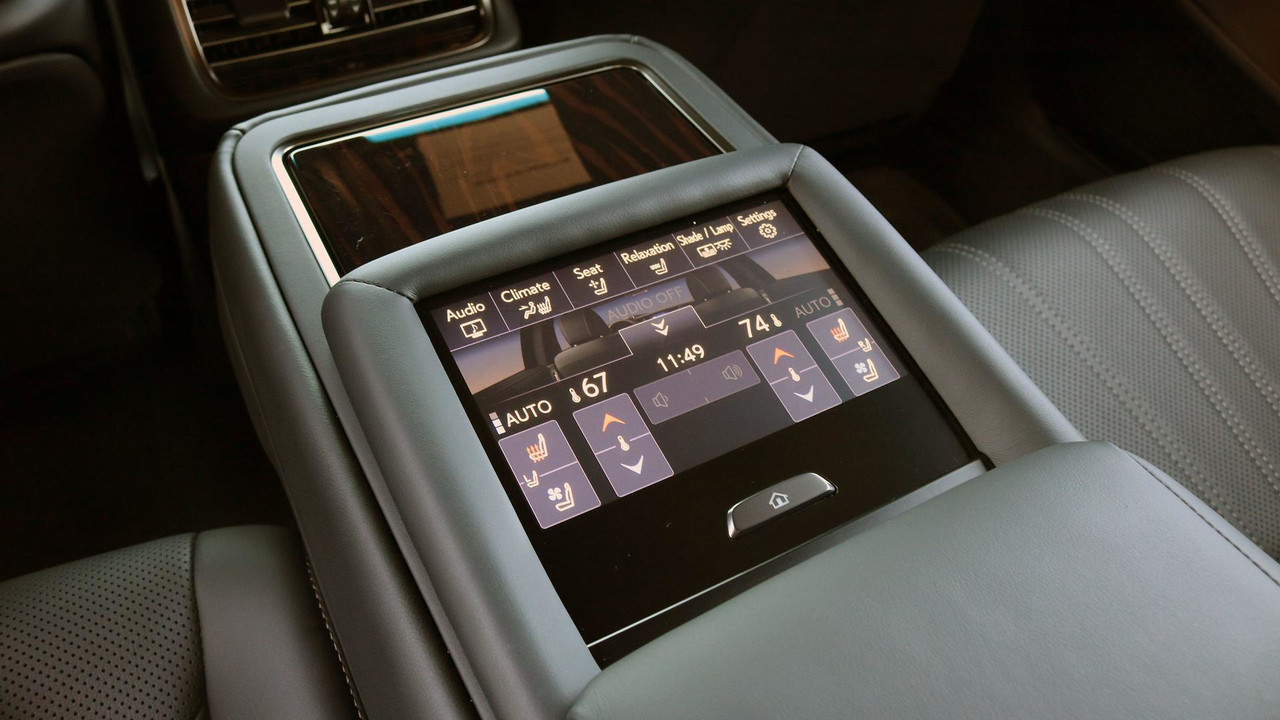
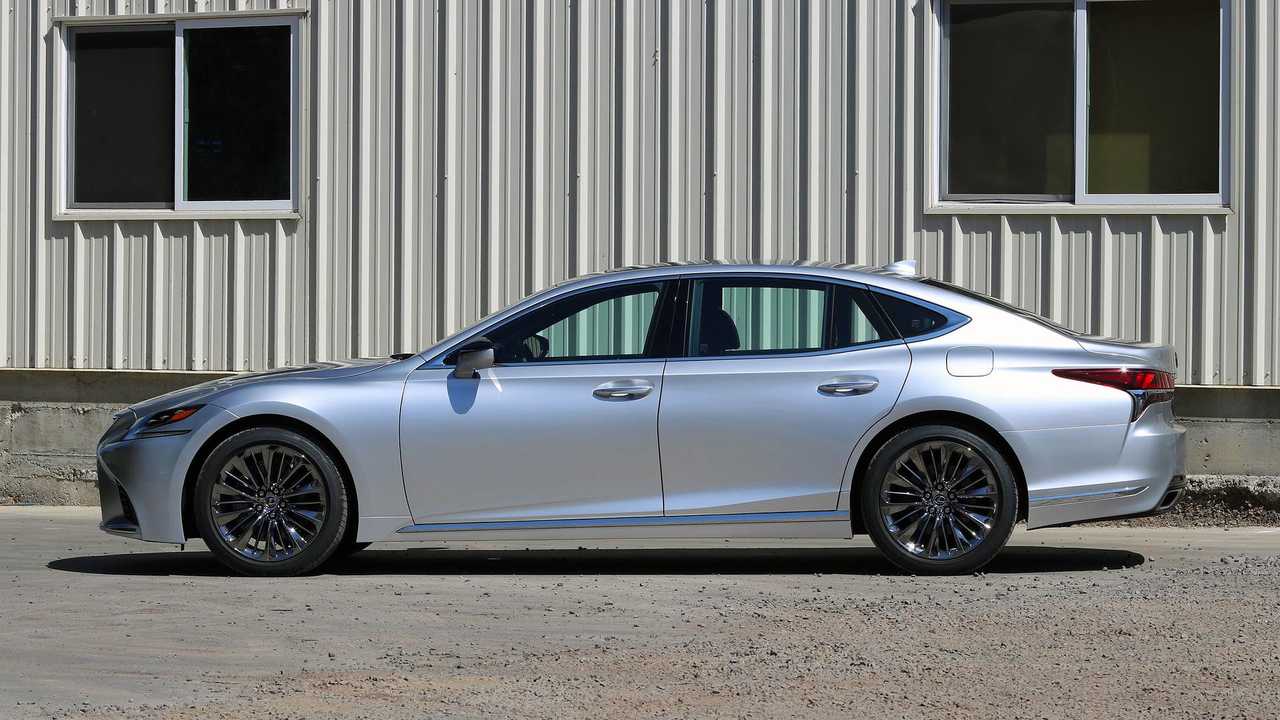
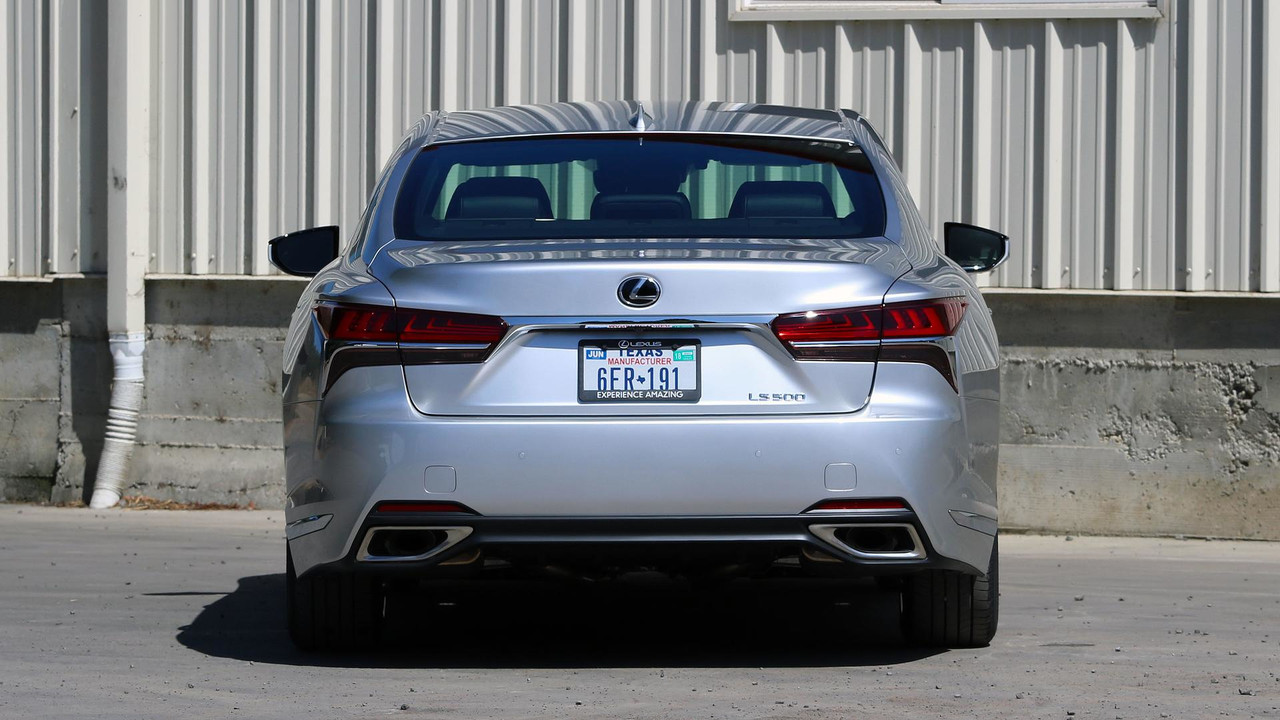
The available Executive Package could even give the right-rear passenger a reclining seat with an ottoman and massage functionality. And unlike some used luxury sedans, the LS 500 doesn’t immediately scream “old car” when you see one pull up; the styling was controversial when new, but it has aged better than expected.
How Much Is A Used Lexus LS 500?
What was once fairly expensive has fallen well within the realm of affordability. The LS 500 has taken a serious depreciation hit since it was new. Kelley Blue Book’s current Fair Purchase Price estimates for early examples are:
2018 Lexus LS 500: $33,500
2019 Lexus LS 500: $37,400
2020 Lexus LS 500: $41,900
2021 Lexus LS 500: $44,600
Actual asking prices will vary considerably depending on mileage, condition, drivetrain, equipment, and whether you’re looking at a standard LS 500, LS 500h hybrid, or the F Sport.
But compare those figures with the original prices, and you’re left with a tremendous amount of car for the money. A 2018 LS 500 started at $76,025, while the F Sport started at $82,025. That’s around $40,000 worth of depreciation on some models.
Check out used Lexus LS listings

Which Lexus LS 500 Should You Buy?
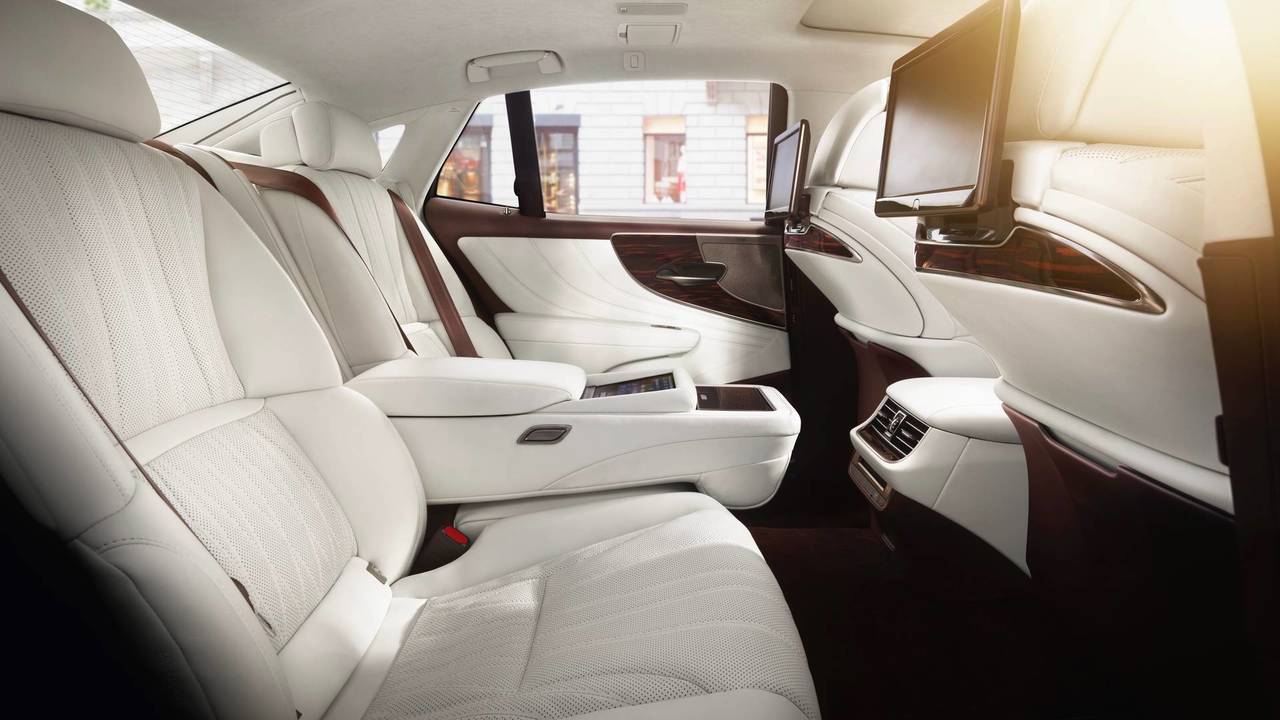
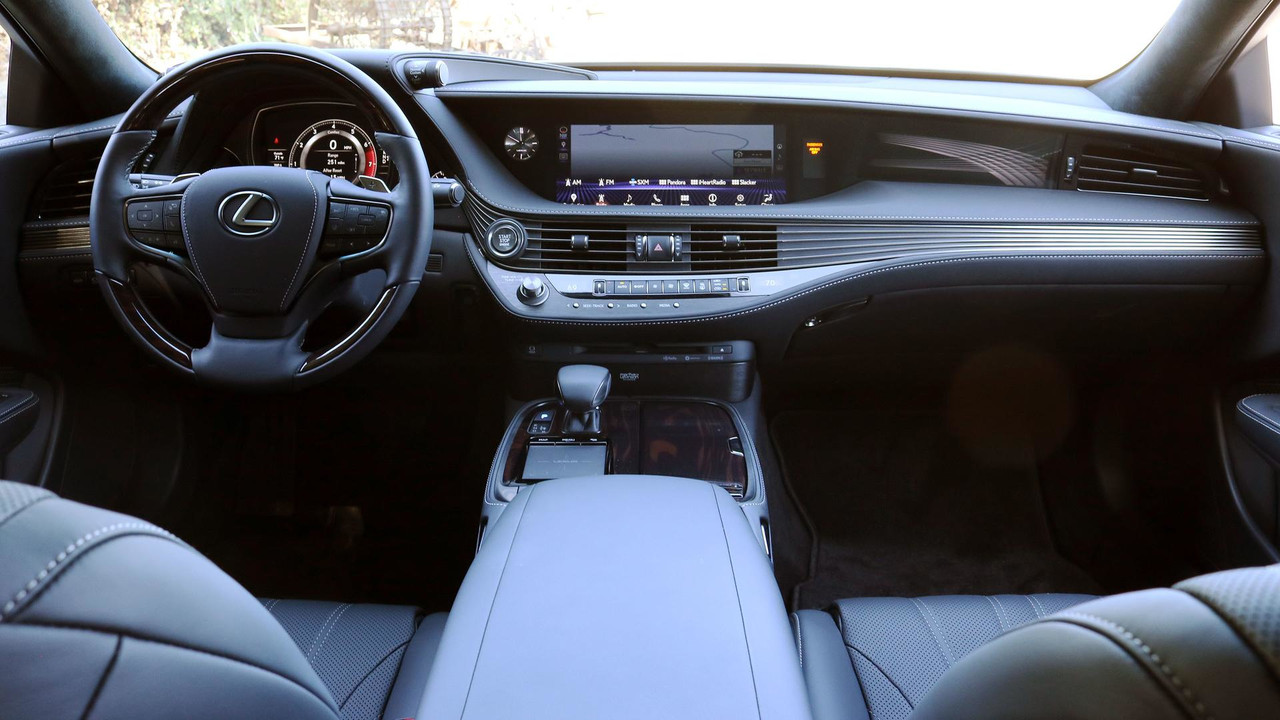
I’d go straight to the 2021 Lexus LS 500. This is the facelifted model. Lexus gave the LS a meaningful update that year. One change in particular makes the newer car much easier to live with: a 12.3-inch touchscreen.
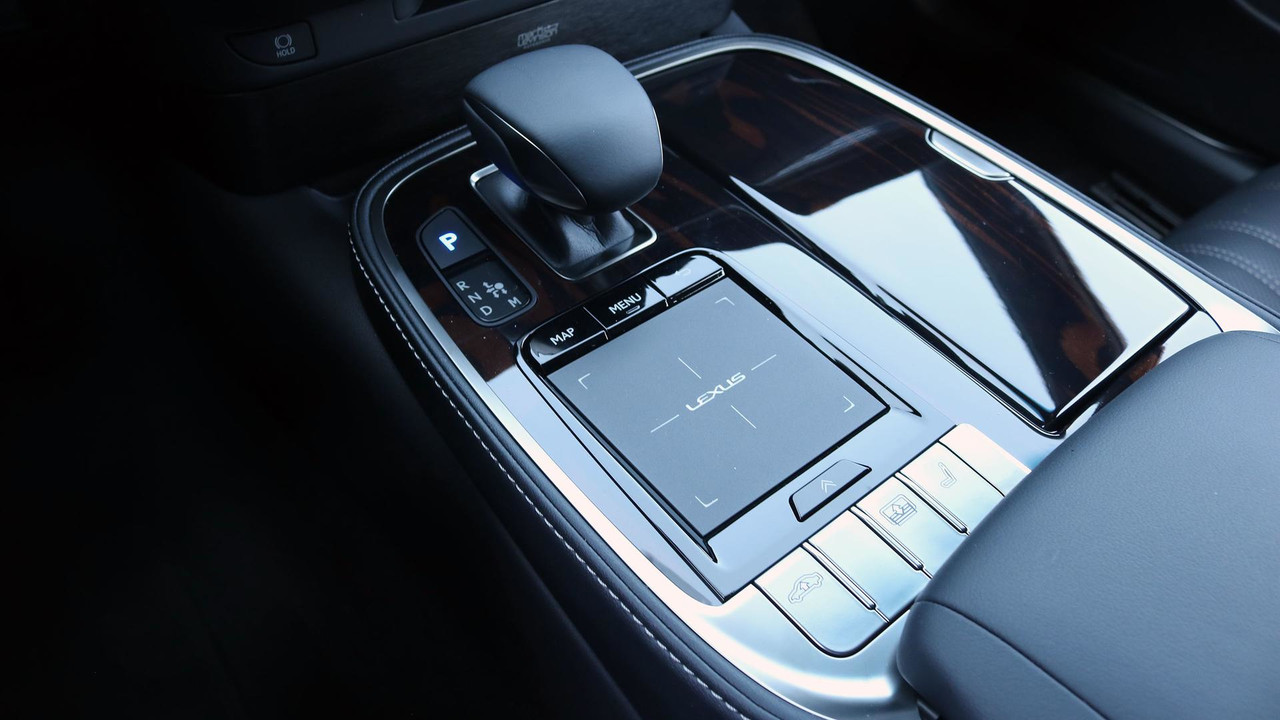
The original LS relied heavily on Lexus’s Remote Touch interface. If you’ve never used it, imagine trying to operate your laptop’s trackpad while driving over railroad tracks. Not great. The 2021 update finally allowed you to simply reach out and touch the screen. Lexus also made Apple CarPlay and Android Auto standard through the 12.3-inch display.
If you’re trying to spend less, though, a clean 2018 or 2019 can be an excellent value. And I wouldn’t necessarily prioritize an F Sport. Yes, it looks cooler. You get more aggressive bodywork, upgraded brakes, sport seats, and different suspension tuning. But a proper sports sedan this thing is not.
What Could Go Wrong?
The good news is that you’re buying a Lexus. The bad news is that you’re buying a flagship Lexus that originally cost nearly $100,000 when properly equipped. And there are a few issues worth knowing about.
Lexus issued a technical service bulletin covering transmission drivability problems on some 2018 through 2020 LS 500s. Symptoms included delayed engagement when shifting from Reverse to Drive while cold, a bump when coming to a stop, and harsh Reverse-to-Drive engagement.
Lexus revised the engine-control software to address the behavior.
Another Lexus bulletin covered a knocking sound from the braking system on some 2018 through 2020 LS 500 and LS 500h models. For affected cars, the repair procedure called for replacement of the brake actuator/master cylinder assembly.
Certain 2018 and 2019 LS 500s were also included in Toyota and Lexus’s large low-pressure fuel-pump recall. The affected pump could stop operating, potentially causing the engine to stall, so run the VIN through the NHTSA recall database and make sure the repair has been completed.
Then there are all the normal used-flagship things. Check absolutely everything. Get a pre-purchase inspection from a Lexus specialist, even if you’re buying a car with an excellent service history.
What Are The Alternatives?
There are a few obvious alternatives here:
Audi A8
BMW 7 Series
Genesis G90
Mercedes-Benz S-Class
The closest alternative is the Mercedes-Benz S-Class. An S450 or S560 from the same era offers an even more impressive suite of technologies and arguably greater badge prestige. But you’re also buying an enormously complicated German flagship once the warranty has expired.
The BMW 7 Series is the choice if you want your enormous luxury sedan to feel slightly smaller from the driver’s seat. There’s also the Audi A8, which takes a more understated approach. It’s beautifully made, wonderfully quiet, and substantially less visually aggressive than the Lexus.
And don’t ignore the Genesis G90. Earlier cars paired old-school luxury-car comfort with either a twin-turbo V6 or naturally aspirated V8, and used prices can be remarkably reasonable.
Why The Lexus LS 500 Makes Sense
At $76,000, the LS 500 had a problem. Once you’re spending that much money on a luxury sedan, it’s hard not to walk across the street and look at an S-Class, 7 Series, or A8. The Lexus might have been beautifully built and extremely comfortable, but that badge comparison inevitably entered the conversation.
At $35,000, now you’re talking about buying a 416-horsepower flagship luxury sedan for the price of a nicely equipped mainstream car. You get a beautifully finished interior, an enormous back seat, excellent ride quality, plenty of power, and some genuinely special options.
Find one with a complete service history. Make sure its recalls and applicable service campaigns have been addressed. Get it inspected. Then enjoy the fact that someone else paid roughly $40,000 for the privilege of maintaining your glorious luxury sedan before the keys reached you.
Why Buy A Used Chevy SS? Two Words: V8. Manual.
Why Buy A Used Ford Focus RS? Because It’s Still Special
Why Buy A Used Lexus GS F? Because A High-Revving V8 Sedan Is Worth Saving
Why Buy A Used Jaguar F-Type? Because It Still Feels Special
| 2021 LS Lexus LS | |
| Engine | Twin-Turbocharged 3.5-liter V6 |
| Output | 416 Horsepower / 442 Pound-Feet |
| Transmission | Ten-Speed Automatic |
| Drive Type | Rear- or All-Wheel Drive |
| Speed 0-60 MPH | 4.6 Seconds |
| Seating Capacity | Five |
| Base Price | $76,025 (2018) |