There’s something deeply unsatisfying about the way Seat’s story could end. After 76 years, the Spanish automaker may be heading toward the automotive graveyard, not because its cars suddenly became terrible, but because parent company Volkswagen Group appears to have decided that another brand is more valuable.
Yes, I’m talking about Cupra.
Just so we’re clear, the VW Group has not officially killed Seat. At least, not yet. The German automotive juggernaut says all options remain open for the next decade, including a gradual phase-out. Even if the brand is retired, the name will live on as Seat S.A., the company that owns Cupra. In a statement, the company said:
‘Several scenarios therefore remain possible beyond 2030. Depending on how regulation, customer demand and market conditions evolve, this could include a gradual phase-out of the Seat brand. No final decision has been taken.
It is important to distinguish between the future evolution of the Seat brand and the future of Seat S.A., the company behind Seat and Cupra. Seat S.A. has a solid future. We are transforming the company into an automotive powerhouse within the Volkswagen Group, combining strong brands, industrial capabilities and the flexibility to adapt to changing customer demand and market conditions.’
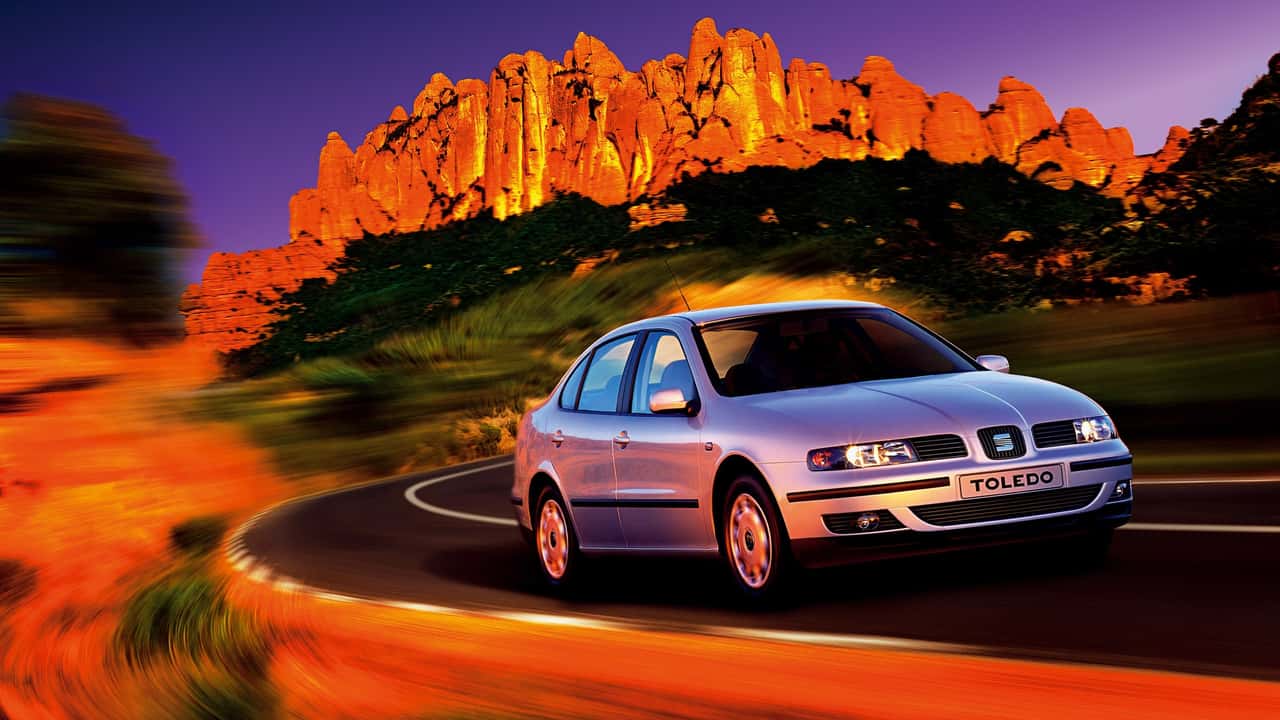
Second-generation Seat Toledo
Photo by: SEAT
Seat May Be On Borrowed Time
But the writing is seemingly on the wall for the Spanish automaker as VW continues to favor Cupra. At the same time, the business case for investing in an entirely new generation of Seat models has become increasingly difficult. That’s understandable in an industry where developing cars is becoming outrageously expensive, and European automakers are under pressure from Chinese competition, stricter emissions rules, and shrinking profit margins.
Still, it deserved better. VW created the problem, and what irks me is that Seat never really got the same chance to reinvent itself that Cupra did. In the VW Group era, Seat developed into a sporty, youthful alternative for people who wanted something cooler than a boring Skoda without paying the Audi premium.
The formula worked well for decades before the “enemy” emerged from within: Cupra.
Originally a performance sub-brand of Seat, Cupra became a standalone marque in 2018. VW did something smart by giving its new sub-brand a clear identity, a distinctive design language, and, crucially, plenty of new products. But look at what happened to Seat at the same time. The brand was left waiting, giving the impression that the VW empire was neglecting it.
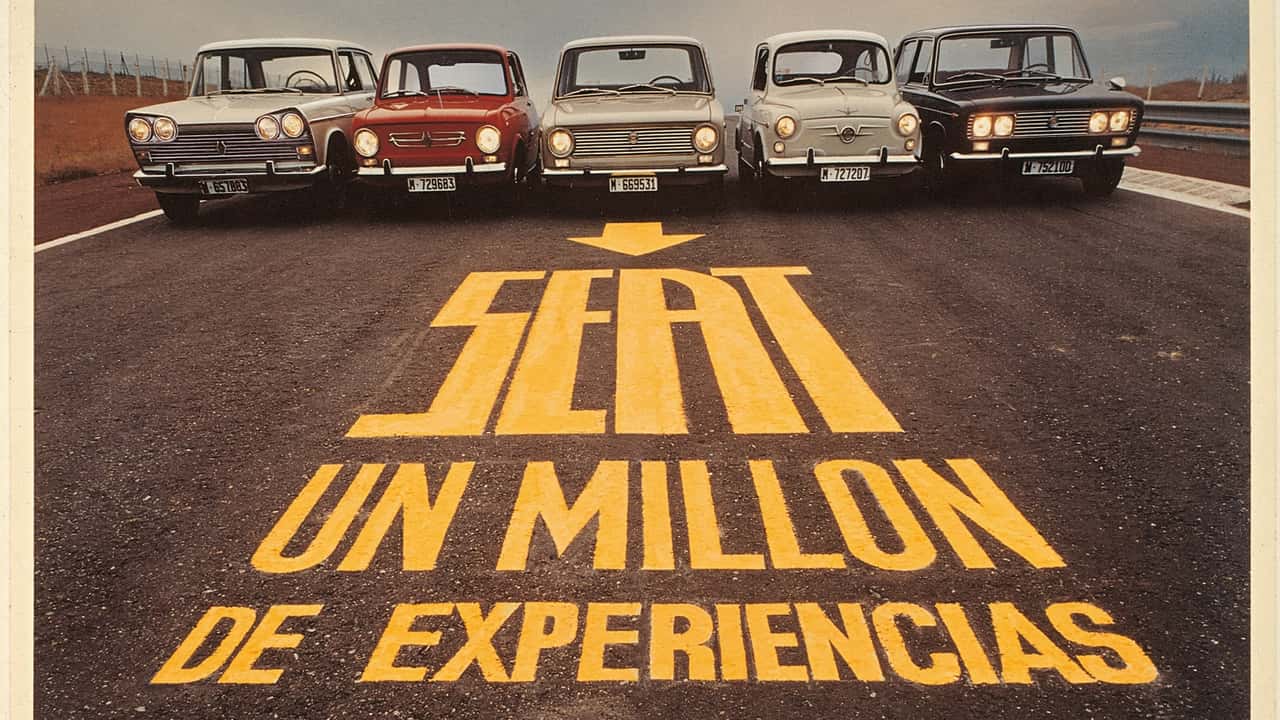
Seat lineup in the 1960s
Photo by: SEAT
Cupra Sells Way More Cars Than Seat
It was only a matter of time before Cupra would outsell Seat, and it happened last year. Cupra jumped 32.5 percent from the previous year, reaching 328,800 units, while Seat fell 17 percent to 257,400 units. But imagine if Seat had received the same treatment. This is where I can’t help wondering what might have happened if VW had invested in Seat the way it invested in Cupra.
While Cupra moved upward with a product offensive spanning combustion-engine models and EVs, the historic brand was effectively left holding the keys to the old world. Ironically, Seat as a company is doing better than ever, with record sales in 2025 when combining the two brands. But the brand that gave that company its name is the one whose future is suddenly questionable.
That’s not to say that Cupra is the villain here. Perhaps the VW Group was right on the money to spin it off from Seat and set a different course for the newcomer to attract a different clientele. Cupra has achieved something that many automakers desperately want: It created an attractive brand almost from scratch. Its cars look different. They appeal to younger buyers, despite the higher prices.
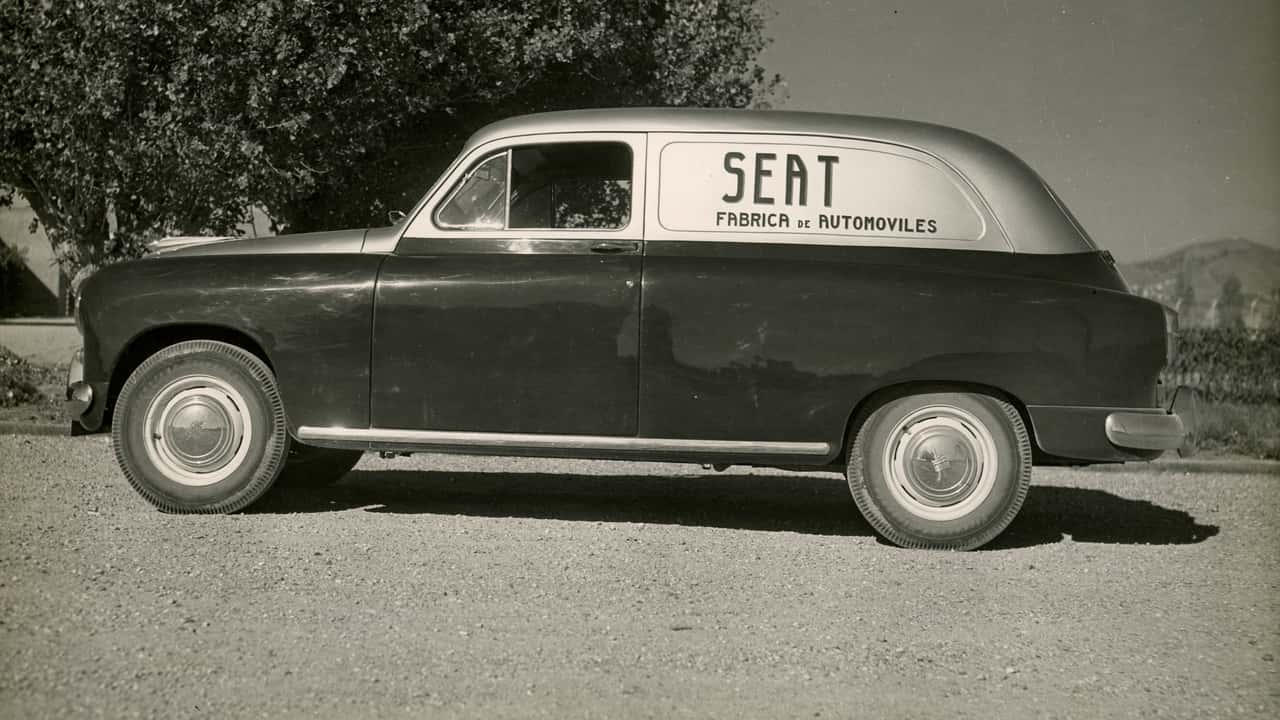
1950s SEAT 1400 Commercial
Photo by: SEAT
Seat Might Die So Cupra Can Live
The problem is that VW appears to have decided Cupra’s success is a reason to consider abandoning Seat altogether, rather than a reason to rethink how the two brands could coexist. Both always had an obvious role. Seat could have been the accessible, youthful mainstream brand. Cupra could have been the sportier, more expensive alternative. VW could have sat above them with its familiar mainstream positioning, while Skoda continued to focus on practicality and value.
Yes, there would have inevitably been some overlap. But VW already manages an absurd number of overlapping products and brands. Well, minus Bugatti, since it recently left the VW Group corporate umbrella. Shockingly, the overlap only becomes a problem when the badge isn’t profitable enough. Looking ahead, the Group wants to gut its lineup by removing up to half its models, cutting optional equipment configurations by 75 percent, and radically simplifying the parts bin.
From a spreadsheet perspective, Seat is an obvious candidate for the chopping block. For a traditionalist who doesn’t really like changes, it’s incredibly disappointing to see how one of Europe’s oldest carmakers could vanish. The irony is that Seat could be useful right now, as Europe desperately needs affordable cars and Skodas are increasingly expensive.
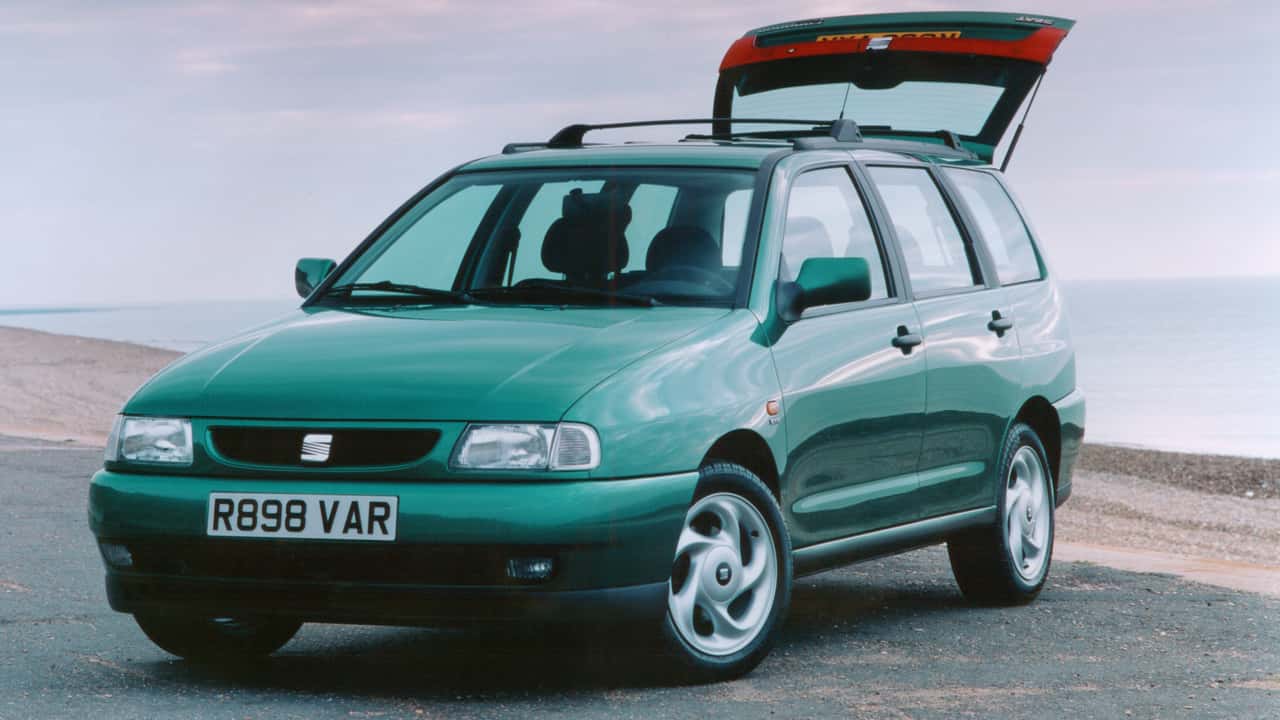
1997 SEAT Cordoba Vario
Photo by: SEAT
Giving Seat A Different Purpose?
Maybe repositioning Seat as the entry-level brand to take on Dacia is worth a shot? Then again, now is clearly not the time to make such experiments when the VW Group is slashing around 100,000 jobs and deciding which factories are worth saving.
Maybe this isn’t the end, as VW still has a chance of keeping the lights on. For now, Seat says its future remains under assessment, and no final decision has been made. While I wouldn’t write its obituary just yet, its undefined future is worrying.
Whatever happens, Seat was the foundation that made Cupra possible in the first place.
Cupra CEO: Market Needs To ‘Stabilize’ Before Entering US
Volkswagen’s Cupra Born Electric Hot Hatch Gets More Buttons