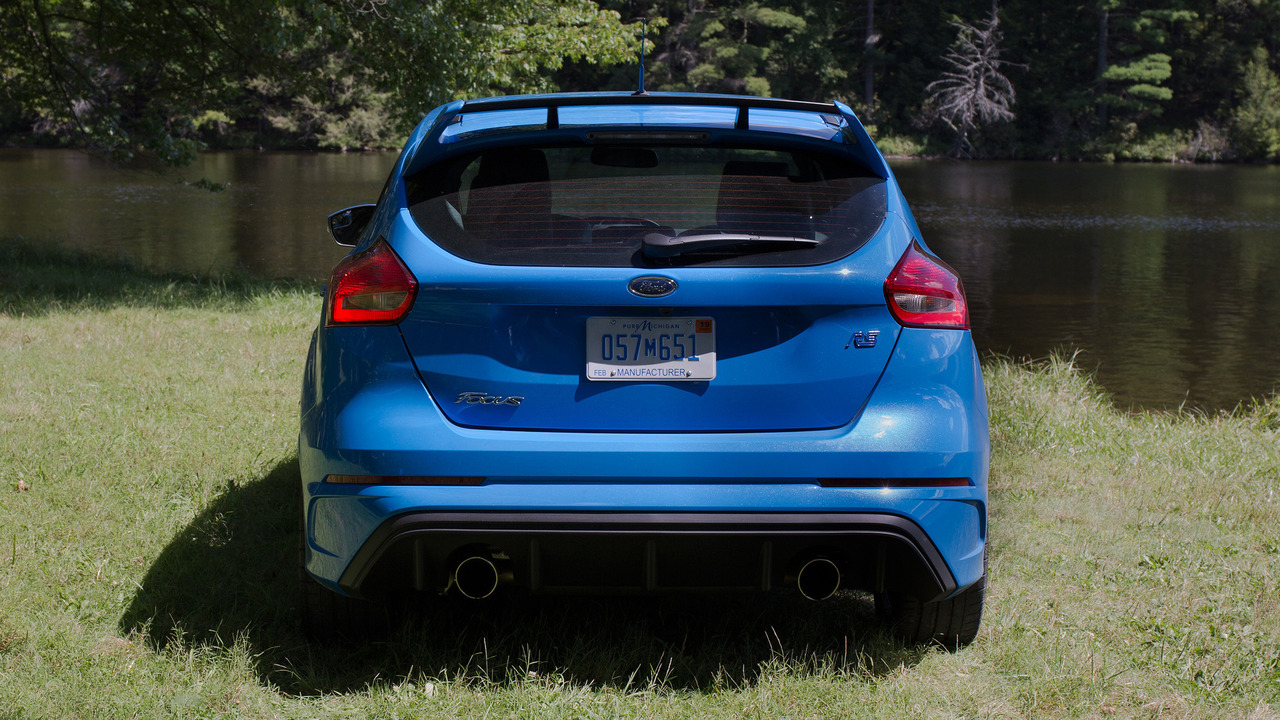
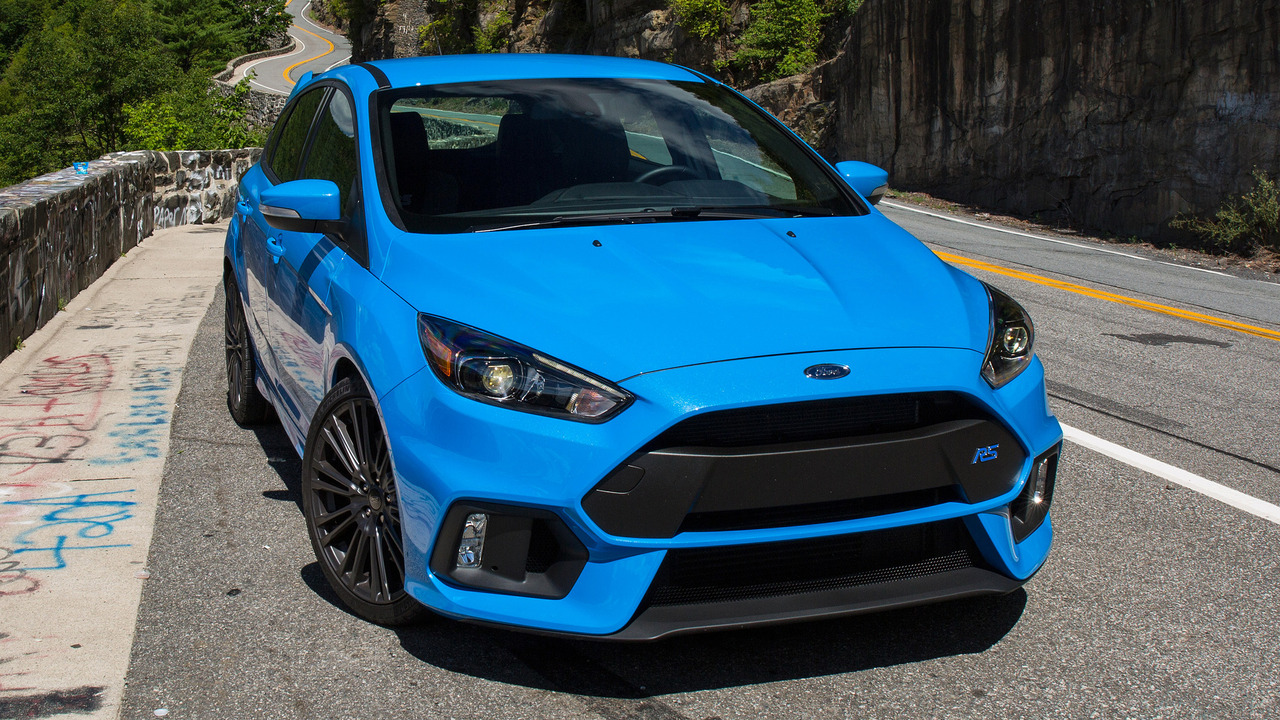
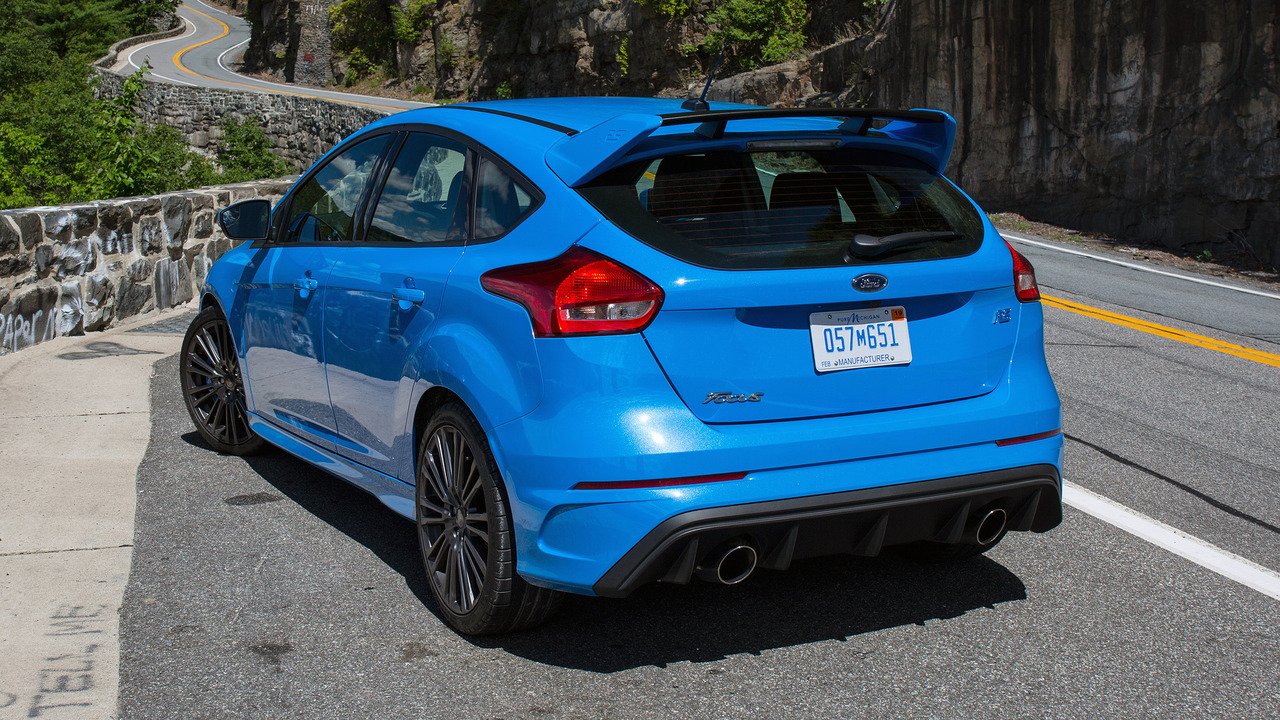
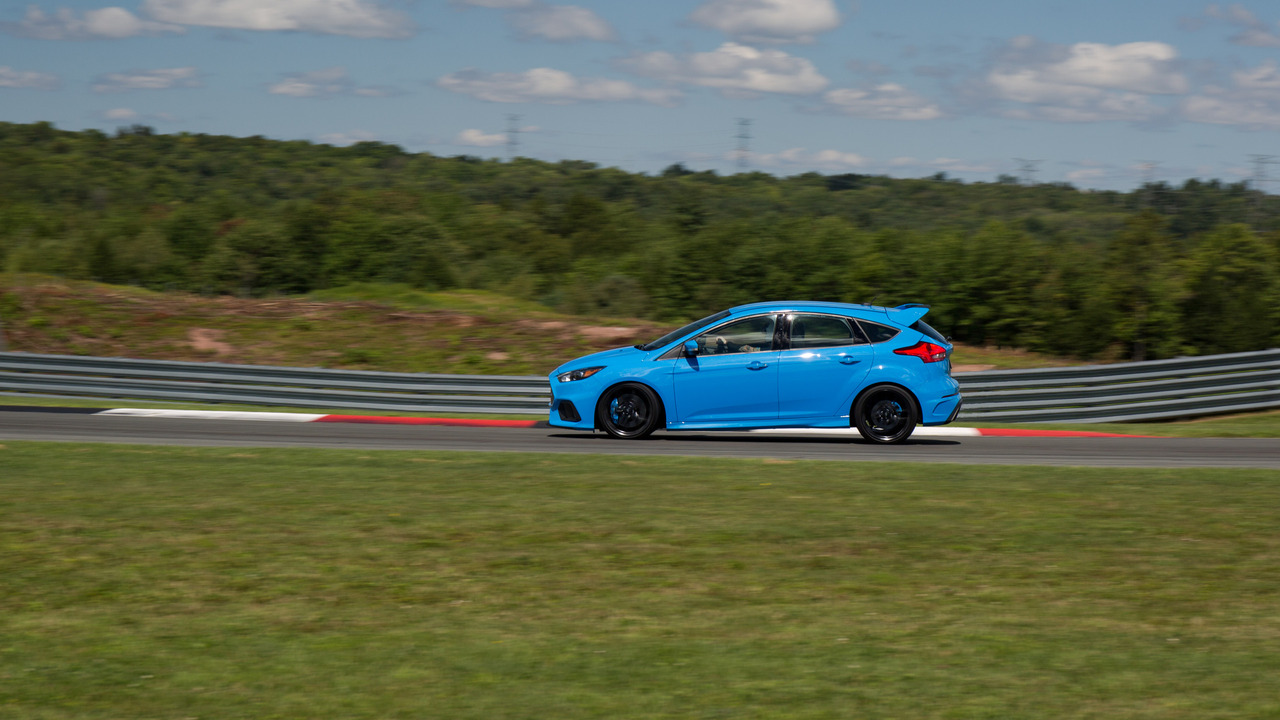
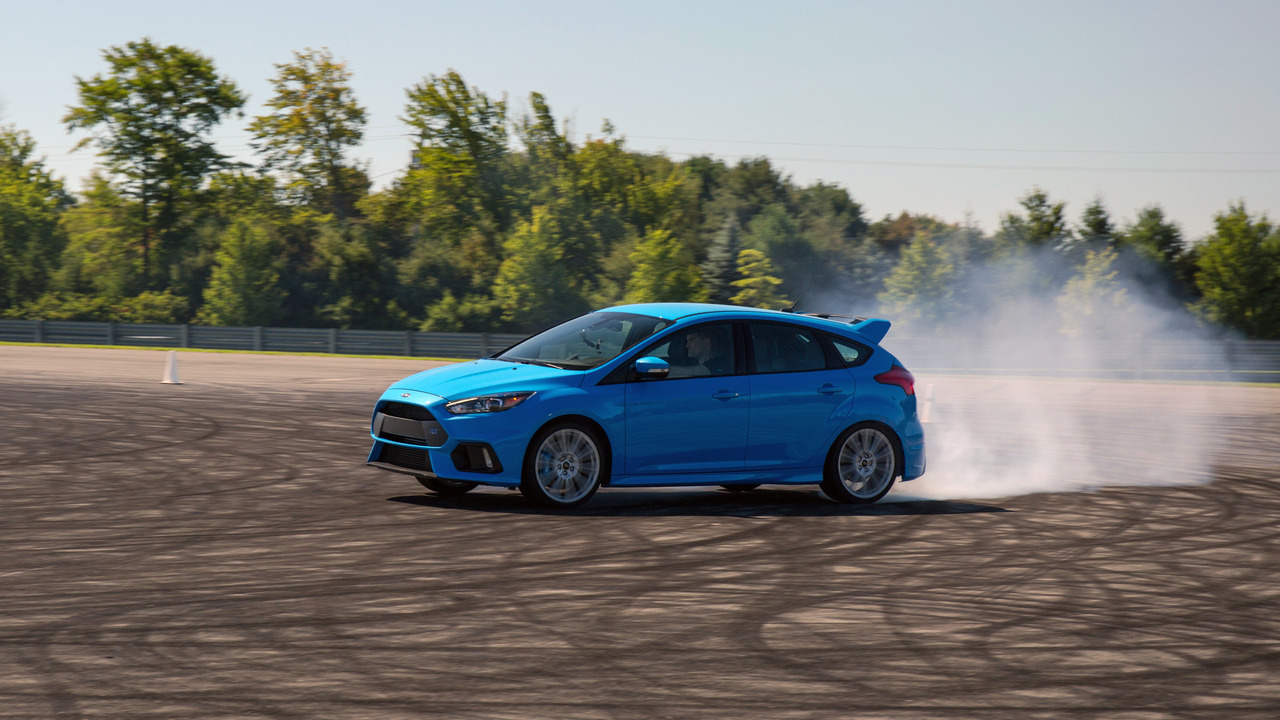
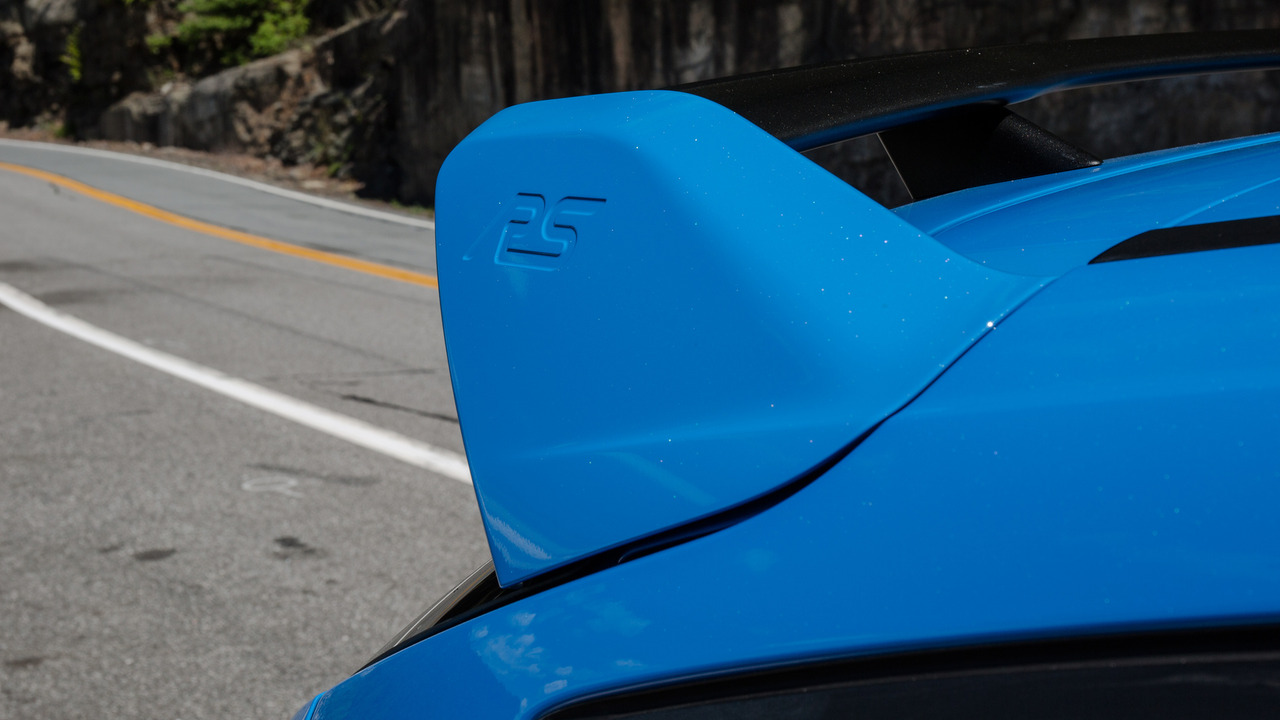
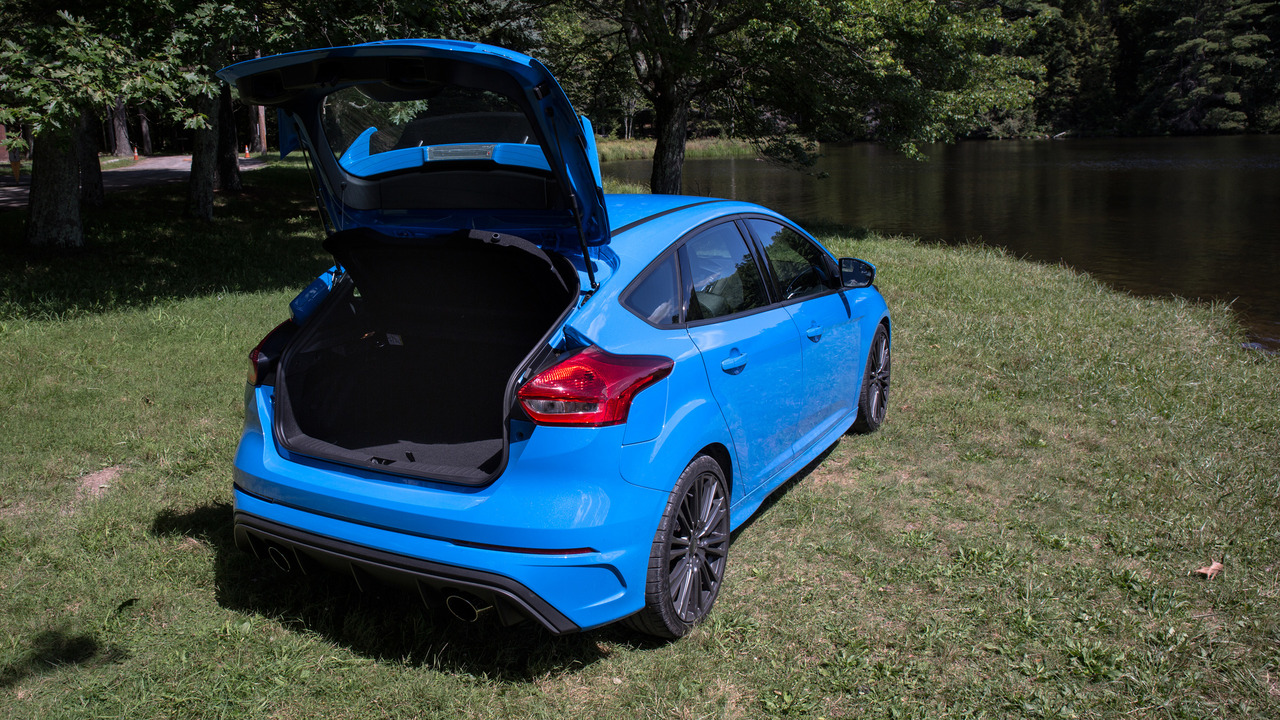
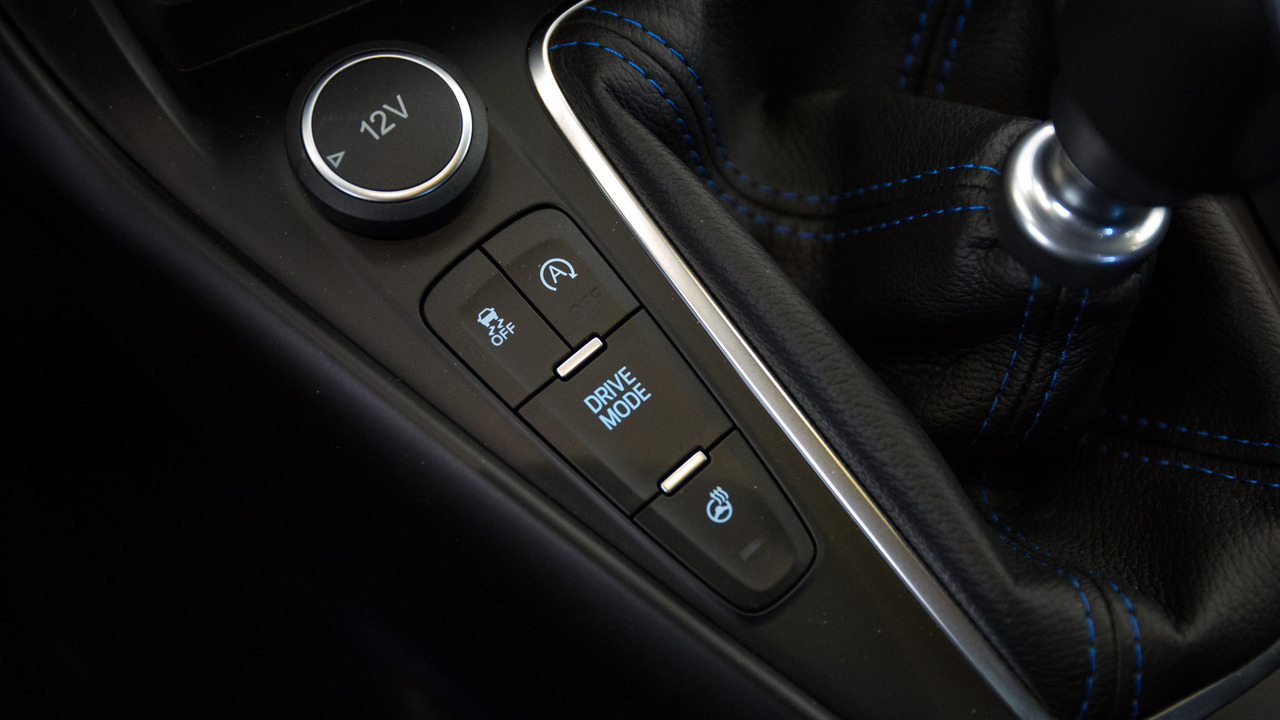
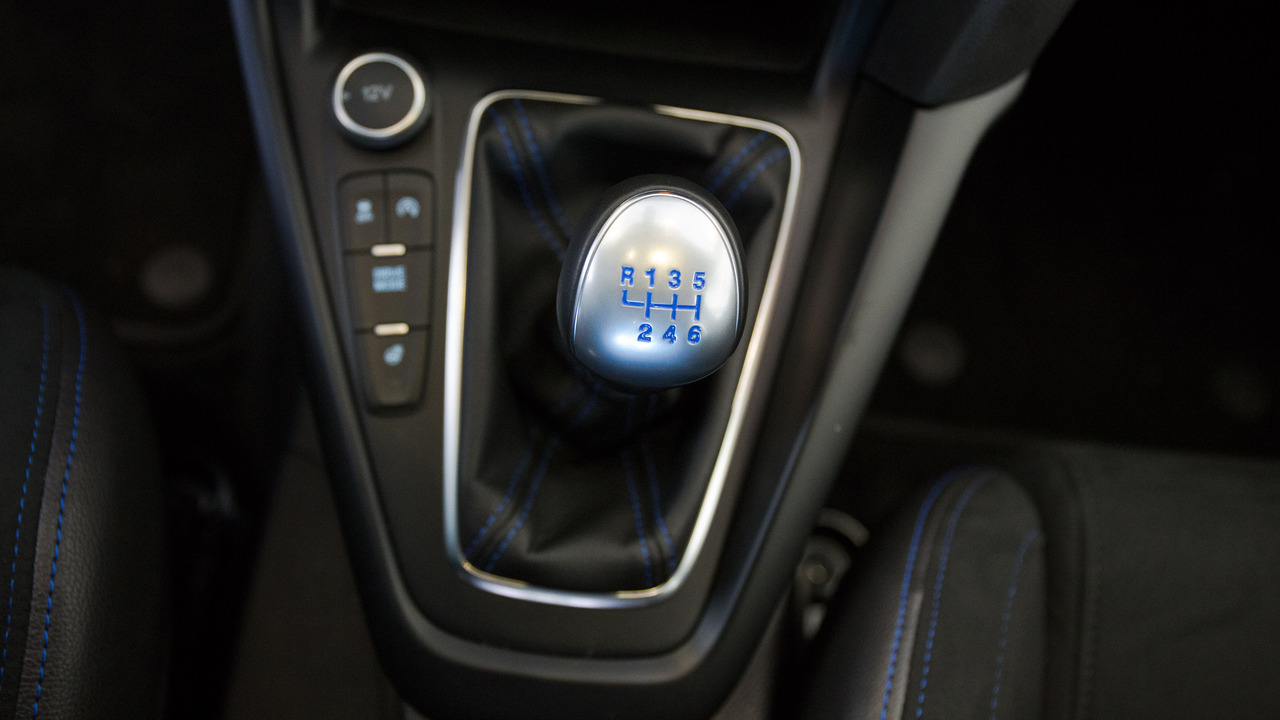
At one point in time, the Ford Focus RS was the hottest hot hatch you could buy in America. It packed 350 horsepower, all-wheel-drive, a six-speed manual transmission, and, notoriously, a little button that let you send the rear end sideways.
Ford only sold the Focus RS in the US for three model years, from 2016 through 2018. Then it disappeared, along with the rest of the Focus lineup and all of Ford’s passenger cars. Today, that short production run makes the RS an increasingly rare find.
Despite that rarity, though, depreciation has finally brought some examples into attainable territory. Current used listings put the average Focus RS in the mid- to high-$20,000 range, with some cars available for less depending on mileage and condition.
At any price, you’ll be hard-pressed to find another hot hatch like the Focus RS.
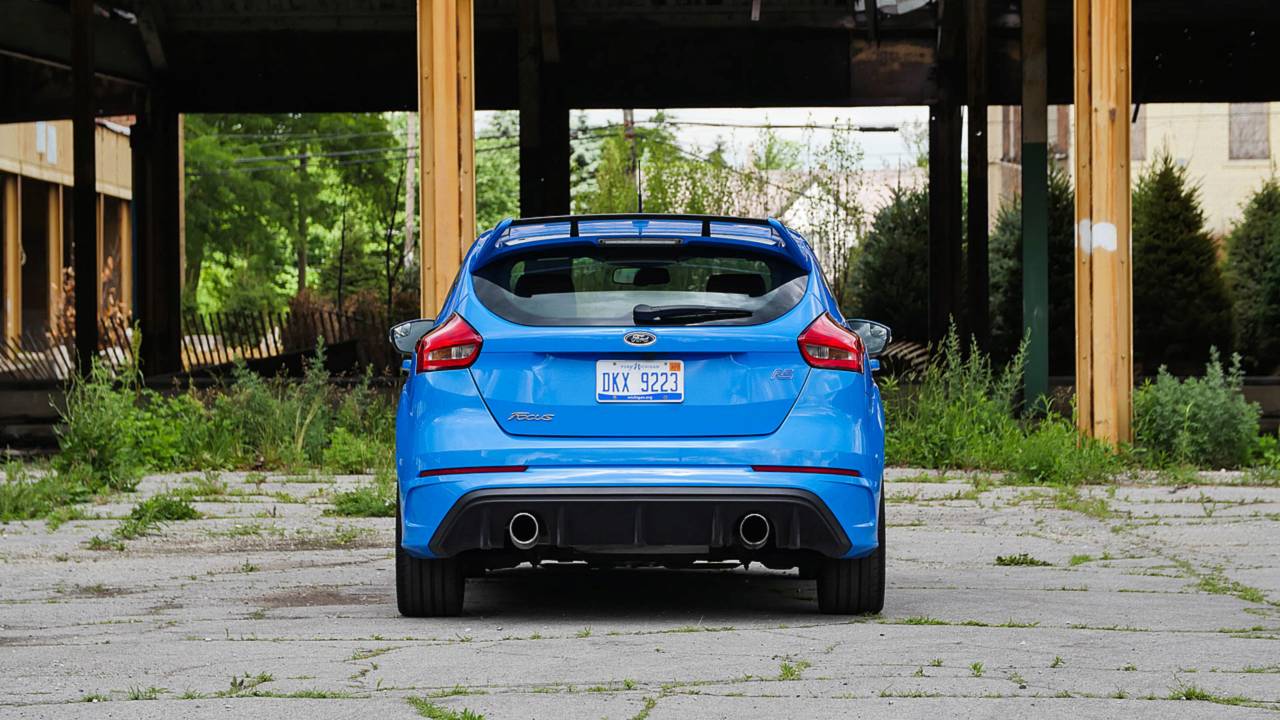
2016 Ford Focus RS
Why Buy The Ford Focus RS?
There are a few reasons, but the biggest one is what Ford put under the hood.
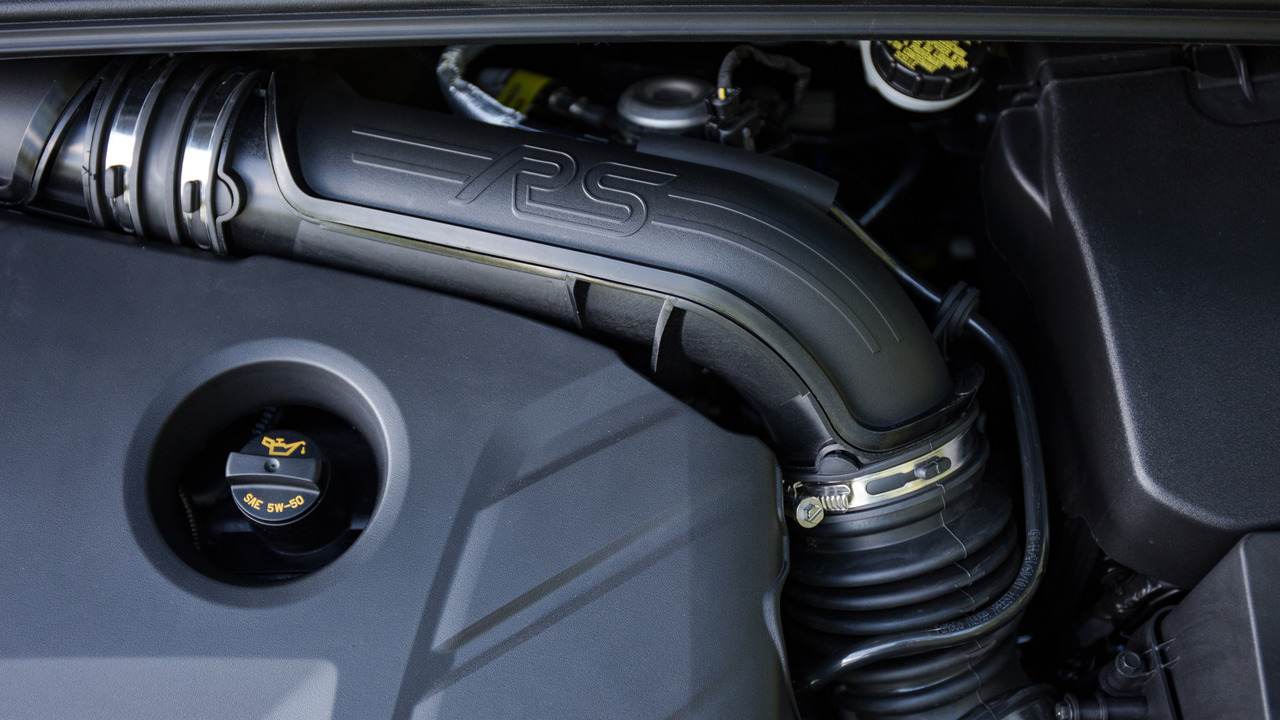
The Focus RS uses a turbocharged 2.3-liter EcoBoost four-cylinder producing 350 hp and 350 pound-feet of torque. Power goes through a six-speed manual transmission to an all-wheel-drive system capable of distributing torque evenly between the rear wheels.
And then there’s Drift Mode. Unlike a conventional all-wheel-drive system that puts traction first, the RS was engineered to have some fun with the rear axle; simply press a button and send the car sideways (within legal limits, of course).
The RS also has the hardware to back up the performance. It came with aggressive suspension tuning, large brakes, performance tires, a variable exhaust system, and optional Recaro sport seats. The steering is excellent, too.
When we drove it back in 2016, we had plenty to say positively about the car’s dynamics:
‘The way the Focus RS rotates flatly and confidently, you’d think the world was a carousel, and you’re just riding on it.’
‘The Focus RS is so talented on the track that you could almost gloss over its party trick: Drift Mode…’
‘Unabashedly positive kudos are reserved for exceptional vehicles, and this is one of them.’
How Much Is A Used Ford Focus RS?
The Focus RS isn’t exactly a $20,000 bargain anymore. But prices have come down considerably from where they were when the car was new. According to Kelley Blue Book‘s current values for examples with around 50,000 miles in good condition, here’s roughly what you can expect to pay:
2016 Ford Focus RS — $20,980
2018 Ford Focus RS — $25,910
The 2016 Focus RS started at around $36,000 when it was new, while a 2017 model carried a $36,995 base MSRP. Today, a fair purchase price for a 2016 Focus RS is about $20,980 and a 2018 is $25,910. Of course, prices vary by condition and mileage.
Real-world listings can be significantly higher—especially for an enthusiast car such as this. Cars.com currently shows an average used Focus RS price around $28,000, while Edmunds has listings ranging from the mid-$20,000s into the $40,000s for particularly clean examples.
In other words, $25,000 to $30,000 is a reasonable target for a nice used RS, while exceptionally clean, low-mileage cars can command substantially more.
Check Used Ford Focus RS Listings

Which Ford Focus RS Should You Buy?
There isn’t a huge amount of variation between model years. Every US-market Focus RS uses the same basic 2.3-liter turbocharged engine, six-speed manual transmission, and all-wheel-drive system.
Still, we’d lean toward a 2017 or 2018 if the price difference isn’t that significant, largely due to age. The 2018 is especially appealing because it’s the final model year. Ford also offered a limited-edition RS that year with upgrades including a mechanical limited-slip differential, black wheels, and other unique equipment.
What Could Go Wrong?
Here’s the big one: The Focus RS has a head-gasket history that you absolutely should not ignore.
Ford issued Customer Satisfaction Program 17B32 for certain 2016 and 2017 Focus RS models after identifying a potential cylinder head gasket issue. According to Ford’s documentation, affected vehicles could develop coolant leaks into the combustion chamber, potentially producing white smoke or low coolant levels without an obvious external leak.
The affected production range covered Focus RS cars built from August 3, 2015, through July 6, 2017. Ford’s repair procedure called for pressure-testing the cooling system and replacing the head gasket, with some cars requiring a replacement cylinder head.
So if you’re shopping for an early RS, make sure that the repair was completed and check the vehicle’s service history.
Also look for the usual problems associated with enthusiast cars; check the tires, brakes, suspension, wheels, clutch, and bodywork. Look underneath for signs of abuse or track use. And pay particularly close attention to modifications.

What Else Could You Buy?
The obvious alternatives are the other cars that defined the modern hot-hatch segment:
Honda Civic Type R
Subaru WRX
Volkswagen Golf R
There’s the Golf R has similar all-weather performance, but with a more premium feel. There’s the Honda Civic Type R, which is front-wheel drive but arguably even more focused. And then there’s the Subaru WRX, which offers a similar rally-inspired formula and plenty of aftermarket support.
Why The Ford Focus RS Makes Sense
The Focus RS is one of those cars that probably couldn’t exist in the US today: a relatively small hatchback with 350 hp, all-wheel drive, a six-speed manual, and a playful chassis.
Unlike some enthusiast cars from the same era, the Focus RS isn’t prohibitively expensive on the used market. Depending on mileage and condition, you can get into one for roughly $20,000 to $30,000.
Just make sure to verify the head-gasket work. Look for a clean maintenance history. Avoid questionable modifications. And get a pre-purchase inspection from someone who knows these cars.
Do that, and the Focus RS could be the next standout at your local cars and coffee.
Why Buy A Used Chevy SS? Two Words: V8. Manual.
We Drove (Nearly) Every 2026 Toyota RAV4 Trim. Here’s Which One to Buy