

The Ford Mustang has one of the most recognizable logos in the world. It’s called a Mustang; there’s a galloping horse on the front. Obviously, Ford named the car after the wild horses of the American West.
Except that’s not quite the whole story.
The Mustang name appears to have come from a combination of two inspirations: the wild horse we all associate with the car today and the North American P-51 Mustang fighter plane that became famous during World War II. And depending on which version of Ford history you read, the airplane might deserve most of the credit.
Ford Mustang GTD Spirit Of America 2.0
Photo by: Ford
Before the Mustang Was a Mustang
Ford began developing a sporty, affordable “personal car” in the early 1960s as the Baby Boomer generation approached car-buying age. The production vehicle would eventually use plenty of Ford Falcon hardware, keeping costs low while giving Ford something much more exciting to sell younger customers.
But before Ford could sell the thing, it needed a name.
Mustang wasn’t the only option. Ford considered names including Cougar, Allegro, Torino, and Avanti. Cougar got particularly far along; early versions of the car even wore cat-inspired badging.
Thankfully, Ford kept looking.
The P-51 Connection
Designer John Najjar is generally credited with proposing the Mustang name. Najjar was reportedly an aviation enthusiast, and his inspiration was the legendary P-51 Mustang.
Ford’s own historical timeline says the Mustang name was initially suggested by Najjar as an homage to the P-51 and was “further inspired” by the small, nimble wild horse of the American West. The first Ford to actually wear the name wasn’t the production car at all, either. It was the tiny, two-seat, mid-engine Mustang I concept that debuted at the 1962 United States Grand Prix at Watkins Glen.
That would seem to settle things: The car was named after the airplane. Well, not exactly.
Ford has published another version of the story, saying that Najjar originally proposed the Mustang name because of the P-51, but the idea was rejected. He supposedly tried again, this time pitching the name around the imagery of the wild horse—and that version stuck.
So even Ford’s own accounts differ slightly on exactly how the name crossed the finish line.
So Was It the Plane or the Horse?
Mustang fans have been debating that question for decades.
There’s even an old r/Mustang discussion specifically asking why the car has a horse emblem if it was actually named for the P-51. As several commenters point out, the distinction becomes somewhat academic, given that the airplane itself was already called Mustang.
In other words, you can draw a pretty neat line:
Wild horse → P-51 Mustang → Ford Mustang
But Ford clearly embraced the horse connection almost immediately.
Designer Phil Clark developed the now-famous galloping pony emblem, while Ford’s marketing leaned heavily into the ideas of freedom, youth, and open-road adventure. Ford has said the horse was intentionally depicted as a wild animal rather than a domesticated racehorse—an image perfectly suited to the then-inexpensive sporty car the company wanted to sell.
That symbolism turned out to be enormously important.
The Horse Took Over

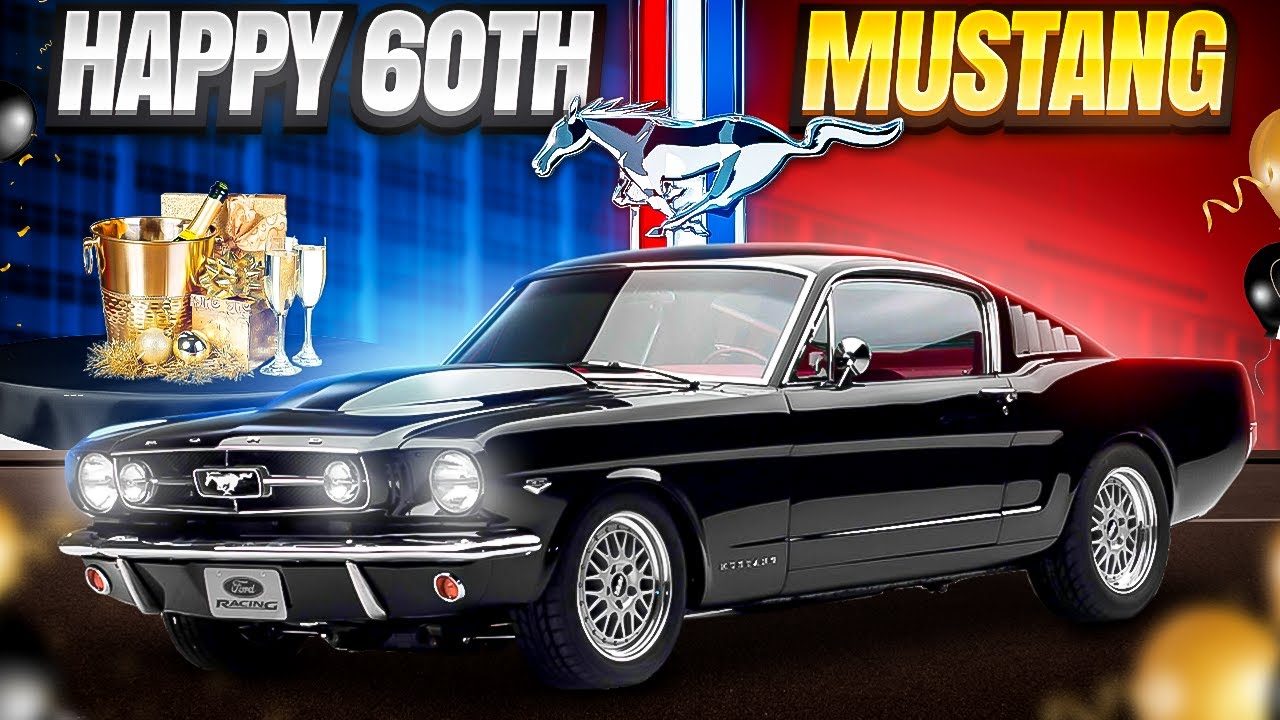
When the production Mustang debuted at the New York World’s Fair on April 17, 1964, buyers weren’t presented with imagery of fighter aircraft.
They got the pony.
And once Mustang Mania exploded, the horse became inseparable from the car. Ford sold more than 22,000 Mustangs during its introductory weekend after more than four million people visited dealerships.
The connection became so strong that the Mustang ultimately gave its name to an entire category of vehicle: the “pony car.”
More than six decades later, Ford still uses the galloping horse instead of a conventional Blue Oval badge on much of the Mustang. The P-51 connection has become more of a fascinating footnote, occasionally resurfacing on special editions and in enthusiast discussions.
So, how did the Ford Mustang get its name? The most accurate answer is from both bits of iconic imagery.
John Najjar’s admiration for the P-51 Mustang appears to have prompted Ford to consider the name “Mustang” in the first place. But the visuals of a wild American horse helped sell the idea internally and ultimately defined the production car’s identity.
The airplane helped provide the name. The horse made it an icon.
