It’s a 2017 Skoda Octavia with the 1.8 TSI under the hood. Nothing about it will ever make it onto a poster. It’s not rare, it’s not fast by sports car standards, and nobody has ever stopped me at a gas station to ask what it is. But after ten years and a stack of memories, I’ve reached a point I never expected to reach with a mainstream family car: I don’t want a replacement.
I’ll start with the boring part, which is also the best part: It has been perfectly reliable. I don’t mean “reliable for a Volkswagen Group product” in the tone people use when they’re being generous. I mean it starts, it goes, it stops, and it does all of that the same way on a freezing January morning as it does on a hot August afternoon. It’s the kind of dependability you only appreciate once you’ve lived with something that didn’t have it.
Then there’s the engine. The 1.8 TSI is one of those quietly brilliant four-cylinders that the industry is gradually walking away from in the name of downsizing, electrification, and spreadsheets. It’s punchy and eager, and it has a real, usable shove in the midrange that makes overtaking on a two-lane road feel effortless.
It doesn’t need a drive mode selector to find its personality. It just has one. This engine feels like the last honest compromise between power, size, and everyday sanity. The manual gearbox has also been flawless, although I’d be lying if I said I never wished I’d opted for the dual-clutch automatic.
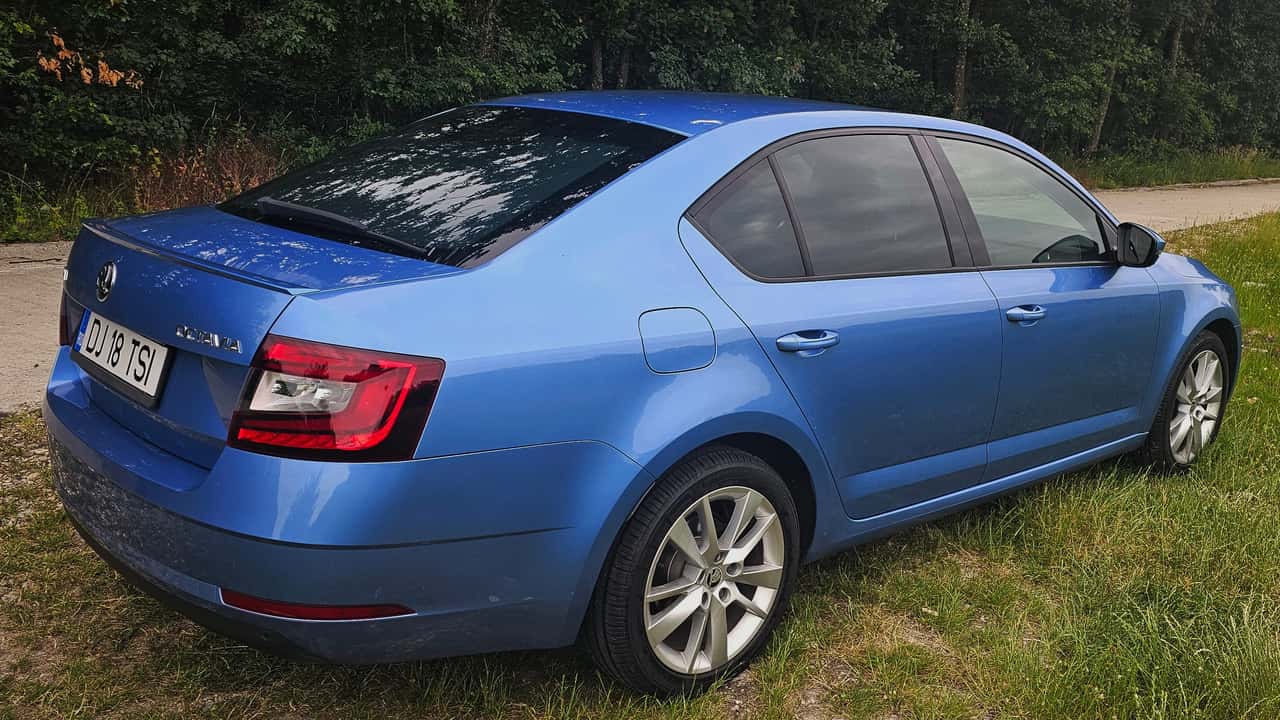
2017 Skoda Octavia
Photo by: Adrian Padeanu
It Didn’t Cost A Fortune
Here’s the other thing that makes this story a little hard to imagine today: I paid around 22,000 euros for it. Nope, that’s not a typo, and it’s not a stripped-down base model with the good stuff hidden behind a paywall. It was a properly equipped, spacious, well-built family car that cost about what a new Octavia would run you today after you’ve ticked two or three option boxes and nothing else.
At the time, it felt like a sensible purchase. Looking back, it feels like a minor miracle.
I should admit something here: I’m super careful with money. I’m the person who reads the fine print, compares the running costs, and thinks about what a purchase will look like in year ten, not just in month one. By that measure, the Octavia has been the best financial decision I’ve made in a long time. Think about how that compares with what’s on sale now. Prices of even humble compact cars have crept up year after year, while the cars themselves have sometimes gotten worse where it counts: more plastic, fewer buttons, more software, and more things that can go wrong.
My Octavia has delivered a decade of dependable service for a sum I paid outright, knowing full well that interest is a wealth-killing instrument. If I’d bought a new car every three years like the leasing brochures suggest, I’d have spent several times that amount and probably ended up with something I liked less.
The Beeping Will Not Stop
Spend a week in almost any brand-new car, and you’ll notice that it never stops talking to you. It beeps when you cross a lane line. It beeps when you’re a little too close to a curb, then when you’re not too close to anything at all. It beeps when you take your hands off the wheel for four seconds and, in some cases, when you dare to glance at the mirror for five. There’s a chime for just about everything.
I understand the intent. Regulators want safer roads, and some of this tech genuinely helps. But the execution often feels like a nervous passenger who has never been in a car before. My Octavia, by comparison, only speaks up when something actually matters. It treats me like an adult, which is a courtesy I’ve started to miss.
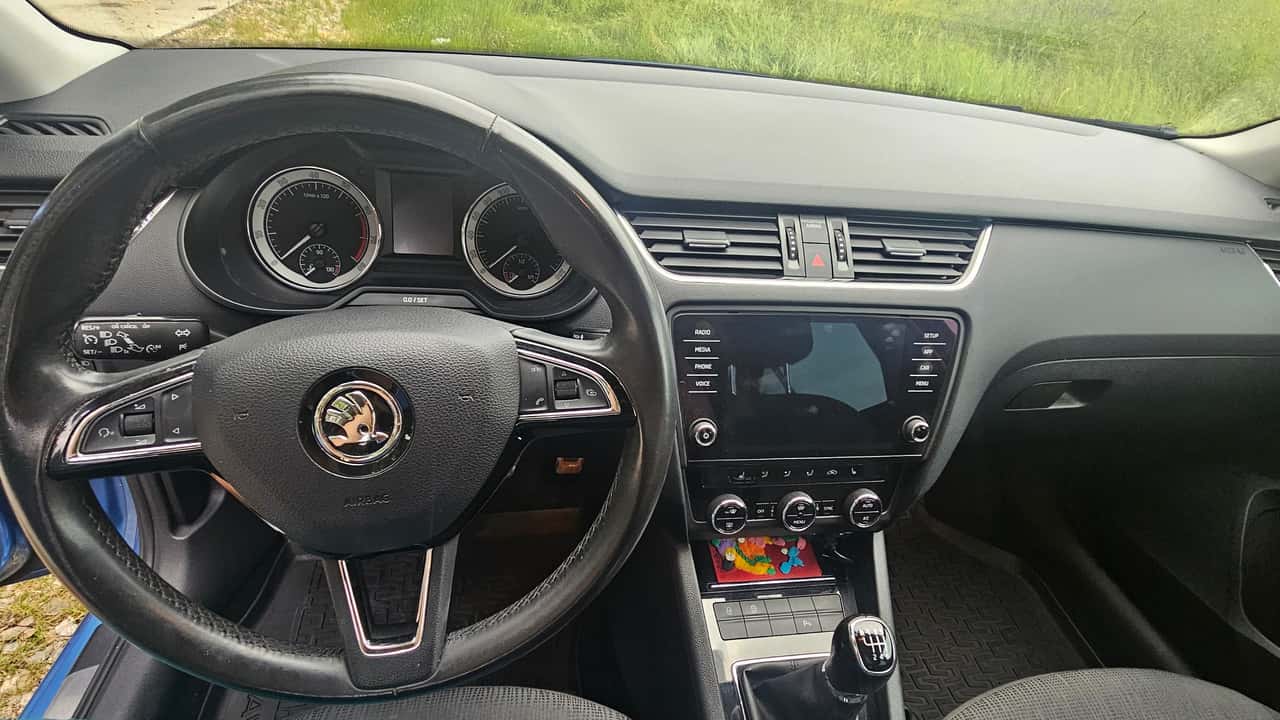
2017 Skoda Octavia
Photo by: Adrian Padeanu
The Great Screen Takeover
And then there are the screens. Somewhere in the middle of the last decade, designers decided the dashboard was a canvas, and the canvas should be a tablet. Today, it’s common to see a massive display perched on top of the dash like an afterthought that got out of hand, or a panoramic slab that stretches across half the cabin and runs the climate control, seat heating, mirrors, the glovebox, and probably your sense of calm.
This isn’t an old-man-yells-at-cloud moment. I’m not anti-technology. My Octavia has a touchscreen, and it does the job. But it lives in a sensible spot, fully integrated into the dashboard like all screens should be. It doesn’t try to control everything, and it sits alongside real, physical buttons and knobs that do what they say when you press or twist them. I can adjust the temperature without taking my eyes off the road. I can change the volume with my fingers instead of my full attention.
These are small things, but over a decade of daily driving, they add up to something that feels like respect for the person behind the wheel. Newer cars often swap that muscle memory for menus within menus. Carmakers disguise cost-cutting as minimalism, and now that I’ve turned 40, I want fewer screens shoved in my face.
You Can Feel The Cost Cutting
The other thing I notice when I climb into a newer car is the quiet, creeping evidence of cost-cutting. Hard plastics where soft-touch materials used to be. Fewer physical switches and more blank panels. Features that used to be standard now sit behind a subscription or an options list long enough to need its own table of contents. The cars themselves have gotten bigger, heavier, and pricier, yet the cabins sometimes feel less substantial than the ones they replaced.
Meanwhile, my 2017 Octavia still feels solid. The doors close with a reassuring thunk. The switchgear has a pleasant weight to it. Ten years in, it hasn’t developed the rattles or the glitches I’d half expected from a mainstream car. It was built at a time when automakers still seemed to believe that a good everyday car was something to be proud of, not something to be monetized.
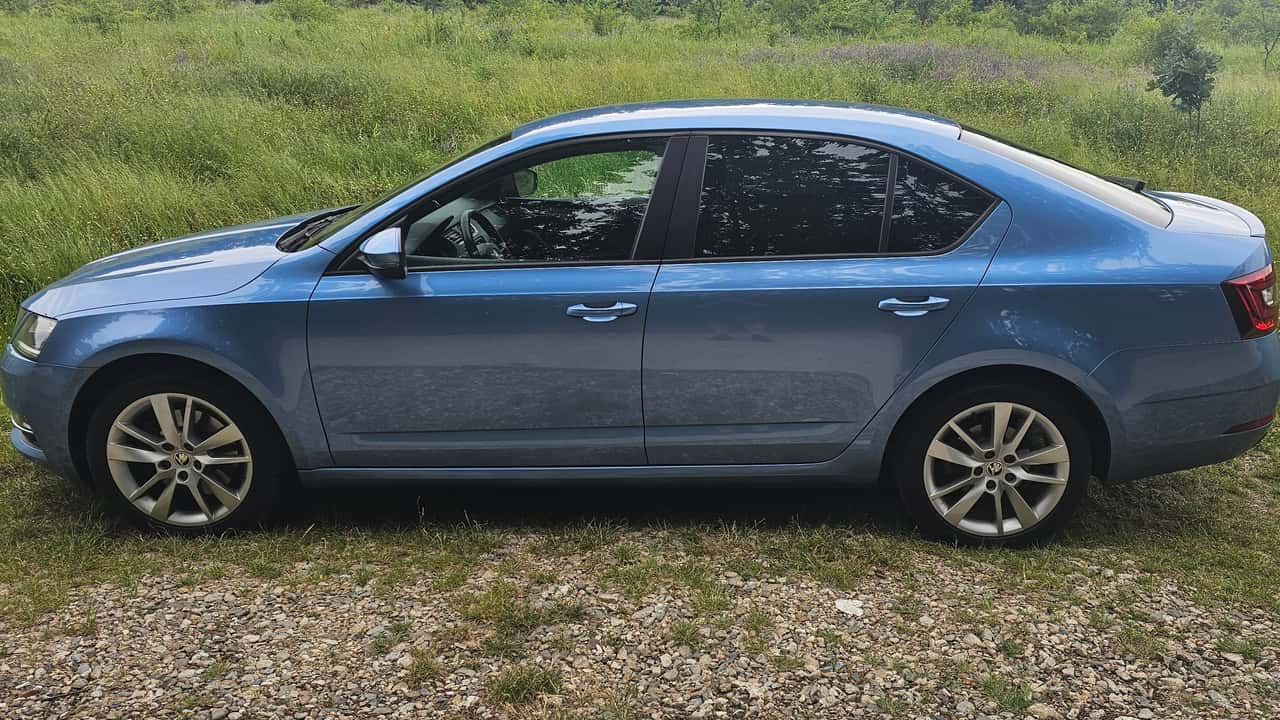
2017 Skoda Octavia
Photo by: Adrian Padeanu
I Don’t Trust New Cars
This is where the wallet and the gut agree. I don’t trust new cars, and it’s not an irrational feeling I’ve talked myself into. All I have to do is open my social media feed. It’s a steady stream of owners complaining about the same things. Infotainment systems that freeze or reboot mid-drive. Screens that go completely dark, taking the climate controls, the camera, and sometimes the speedometer with them. Software gremlins that trigger warning lights for no reason, or features that work on Monday and vanish after an over-the-air update on Tuesday.
Now, I’m well aware that social media algorithms amplify the complainers. Happy owners rarely post about how their car started this morning. But when the same issues come up again and again across brands and price points, it’s hard to dismiss them as a few isolated cases. And for someone who counts every euro, the math is uncomfortable. A car that ties its basic functions to a screen and a software stack can become an expensive problem after the warranty ends, and fixing a dead display or a glitchy control module is no cheap job.
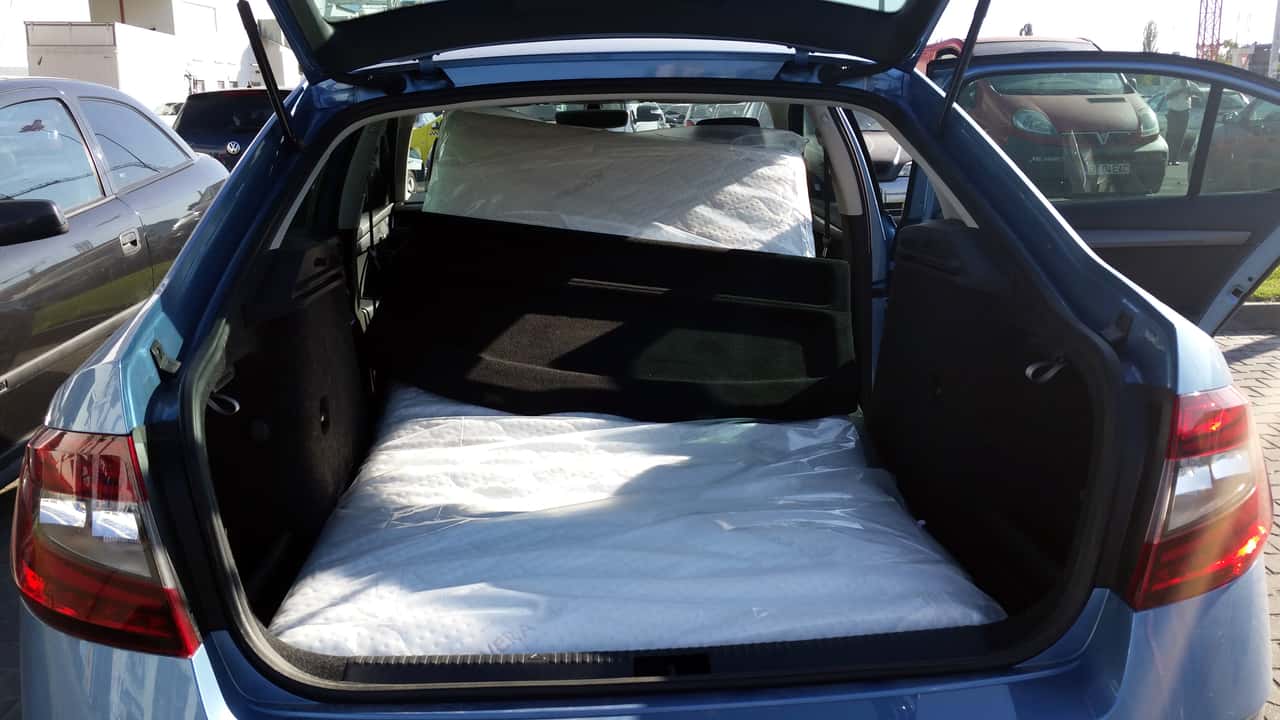
2017 Skoda Octavia
Photo by: Adrian Padeanu
Peak Car, Maybe
I know how this sounds. It’s the same argument people make about vinyl records, film cameras, and manual gearboxes, and I know every generation thinks the golden age happened when they were young. Maybe I’m just getting old.
But I keep coming back to this: the 2010s feel like a sweet spot. Cars had finally gotten properly good, with efficient engines, great safety, decent infotainment, and strong build quality. Still, they hadn’t yet been overrun by screens, subscriptions, and software that needs an update before it will let you open the trunk. It was a short window when the technology served the driver instead of the other way around.
I get that the future is electric, connected, and increasingly autonomous, and I’m not going to pretend that’s all bad. Some of the new stuff is genuinely impressive. But if I’m being honest, I don’t need any of it to get to work and back, and I certainly don’t need to be nagged along the way.
So no, I don’t think I’ll ever sell my Skoda. It’s not the fastest, the fanciest, or the newest. It’s reasonably priced, endlessly dependable, and full of the moments that actually mattered. And in 2026, that might be the most valuable feature of all.
The Real Reason I’m Keeping It
If I’m being completely honest, though, none of the above is the main reason I’ll hold on to this car. Specs and switchgear are easy to write about. Memories are harder. This Octavia has been part of my life in a way that no spec sheet can capture. It has done thousands of school runs, the kind of mind-numbingly ordinary trips at 7:40 in the morning that nobody would ever call special. Back then they felt like a chore.
Now I realize they were some of the best conversations I’ve ever had, with a kid in the back seat narrating her day or arguing about which song should play next (almost always something from Frozen). It has carried us on family vacations, loaded to the roof with suitcases, snacks, and the one stuffed toy that absolutely could not be left behind. It has crossed borders, sat in traffic jams, and rolled into more than one holiday destination with everyone asleep except me.
And it was the car I used to bring my daughter home from the hospital eight years ago. I remember driving slower than I’ve ever driven in my life, checking the mirror every few seconds, convinced that every pothole in the city had been placed there on purpose. That was the same car, the same seat, the same steering wheel I still use today. She’s eight now, and she’s just about to outgrow the child seat, but I still think about that drive almost every time I get behind the wheel.
You can’t get that from a configurator. A new car, no matter how clever or how well equipped, starts with a blank page. This one has a decade of ours written all over it.