Imagine living in a city where one of the world’s biggest car factories dominates the skyline, and visitors can explore entire attractions dedicated to the automobile. It might sound like an enthusiast’s fantasy, but it actually exists.
Wolfsburg, Germany, is so closely tied to Volkswagen that the automaker’s factory quite literally helped bring the city itself into existence. Located in Lower Saxony, Wolfsburg is home to Volkswagen’s headquarters and an enormous manufacturing complex.
But the city offers more than assembly lines and office buildings—there’s also Autostadt, a sprawling automotive attraction featuring exhibitions, architecture, vehicle displays, and factory tours. The origins of this fascinating destination, however, are more complicated than its modern automotive identity might suggest.
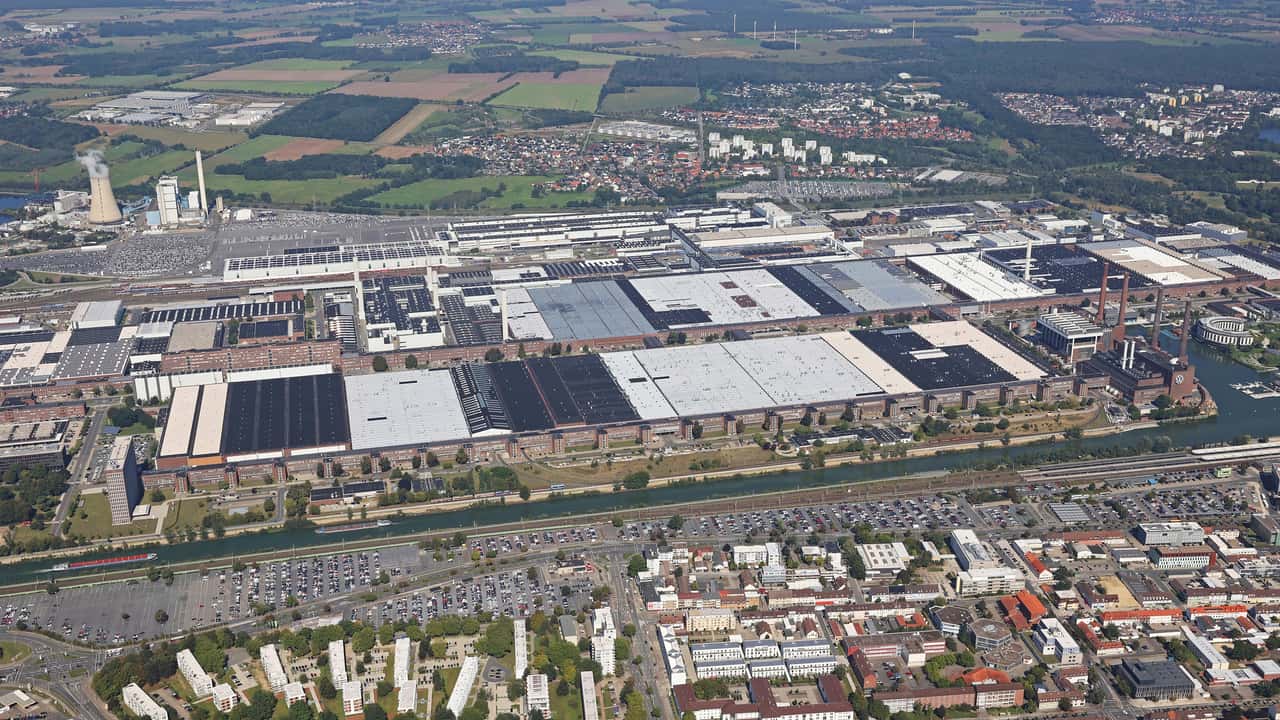
Volkswagen Wolfsburg Plant Germany
Photo by: Volkswagen
Volkswagen’s Factory Came Before The City
Unlike most cities that developed gradually around trade, geography, or centuries-old settlements, Wolfsburg was established in 1938 in connection with the construction of Volkswagen’s factory. The original settlement was called the “City of the KdF Car,” referring to the Nazi regime’s Strength Through Joy organization and its planned people’s car.
The project was intended to produce an affordable vehicle for German families, which would eventually become the Volkswagen Beetle. A new town was planned to house the factory’s workers, with residential neighborhoods, infrastructure, and green spaces built around the industrial complex.
The project was part of Nazi Germany’s wider political and industrial ambitions. During World War II, the factory’s production shifted toward military equipment, and forced laborers and prisoners of war were exploited in its operations. That history is an essential part of understanding the city’s origins, rather than something that can be separated from the Volkswagen story.
After the war, the city was renamed Wolfsburg in 1945, taking its name from a nearby castle. British authorities allowed the factory to continue operating instead of dismantling it, helping establish the industrial foundation on which the modern city would grow.
The Factory Is Practically A City Within A City
Today, Volkswagen’s Wolfsburg plant is one of the largest automotive manufacturing complexes in the world. The site covers approximately 6.5 million square meters, and Volkswagen reported that around 70,000 people worked there in 2023. The factory is also the headquarters of the Volkswagen Passenger Cars brand.
The scale is difficult to appreciate from the outside. The complex contains enormous production halls, logistics infrastructure, internal roads, and rail connections. Volkswagen’s published figures describe a network of roads stretching roughly 75 kilometers and about 60 kilometers of railway tracks across the site.
That scale makes the plant more than just another factory on the edge of town. It is a major part of Wolfsburg’s economy and identity, influencing employment, infrastructure, and the city’s relationship with the automotive industry.
The plant’s role has also evolved as vehicle manufacturing has changed. Volkswagen has been working to adapt the facility to different vehicle platforms and production technologies, reflecting the industry’s transition toward electrification and more flexible manufacturing.
Autostadt Turned The Volkswagen Connection Into A Tourist Attraction
One of Wolfsburg’s most distinctive attractions is Autostadt, which opened on June 1, 2000, next to Volkswagen’s headquarters. Its name translates roughly to “car city,” and the complex was designed to bring Volkswagen’s history, vehicles, and manufacturing expertise to the public.
Autostadt is not the city of Wolfsburg itself. It’s a dedicated automotive destination featuring landscaped grounds, architecture, vehicle displays, exhibitions, restaurants, and visitor experiences. The attraction also plays a role in Volkswagen’s vehicle-delivery experience, giving some customers the opportunity to collect their new cars in a setting built around the brand.
Visitors can explore several automotive experiences, including:
Vehicle exhibitions: Discover cars from different eras and learn about automotive design and engineering.
Brand pavilions: Explore displays and experiences connected to Volkswagen Group brands.
Factory-related experiences: Learn about vehicle production and, subject to availability, arrange a tour of the nearby Volkswagen plant.
Landscaped grounds and architecture: Walk through the complex’s outdoor spaces and take in its distinctive modern buildings.
Vehicle delivery: Some Volkswagen customers can collect their new cars at Autostadt as part of a special delivery experience.
For Volkswagen fans, it’s a chance to experience the brand beyond a showroom. For casual visitors, it offers a look at how deeply cars have shaped this particular German city.
Visitors Can Get A Look Inside The Factory
Autostadt is not limited to looking at finished cars. Depending on production schedules and availability, visitors can also book guided tours of the Volkswagen plant to see how vehicles are manufactured.
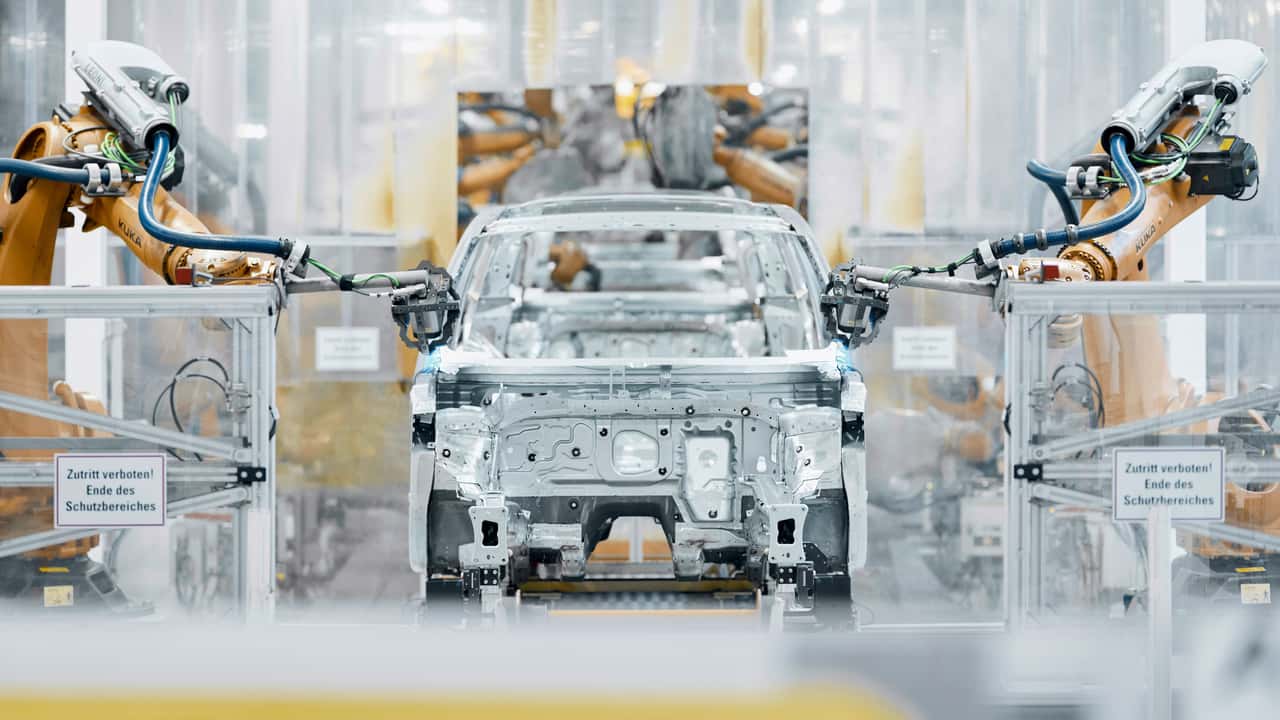
The factory tour takes guests through selected production areas, offering a closer look at the machinery, robots, workers, and processes involved in building modern vehicles. Volkswagen describes tours that use visitor trains or guided walking routes, depending on the route and operating conditions.
For car enthusiasts, this is arguably one of the most compelling parts of a visit. Instead of seeing only the finished product, visitors can get a better understanding of how stamping, body construction, assembly, and other manufacturing stages come together.
There are some practical limitations. Tours depend on production activity, require advance arrangements or booking through the relevant visitor service, and have age restrictions. Anyone planning a visit should check the official schedule rather than assume the factory will be open for tours on a particular day.
Volkswagen Wolfsburg Plant Germany
Photo by: Volkswagen
Fans Share What It’s Like To Visit Volkswagen’s Own City
Volkswagen enthusiasts on Reddit describe Wolfsburg as a destination worth making a special trip for. In one r/Volkswagen thread, a visitor who drove from Scotland to Wolfsburg praised Autostadt, the factory tour, and the experience of seeing the car towers up close. The trip left such a strong impression that the visitor said it would be difficult to buy another brand’s car without thinking about the people they met there.
Other visitors highlight the sheer range of automotive experiences packed into one place. In a discussion about visiting Autostadt, Redditors praised the vehicle displays and the opportunity to watch customers collect brand-new cars directly from the factory.
A separate factory-visit discussion offered a more mixed take: one visitor found the factory tour fascinating but felt some brand pavilions were less impressive than expected. Together, the accounts suggest that Wolfsburg’s biggest draw is experiencing Volkswagen’s operations firsthand, rather than simply looking at cars in a showroom.
Wolfsburg’s Identity Is About More Than Cars
Volkswagen remains central to Wolfsburg, but the city is not simply a factory with housing around it. It has schools, parks, cultural venues, sports facilities, shopping areas, and neighborhoods that have developed over decades. The city’s own profile describes it as a modern urban center with extensive green spaces and a wide range of leisure activities.
Nevertheless, the relationship between Wolfsburg and Volkswagen is unusually direct. The company’s presence helped establish the city, supported its growth after World War II, and continues to shape its economy. Few places have such a visible connection between a global automaker and the community surrounding its headquarters.
That connection also presents challenges. A city so closely associated with one industrial giant can be affected by shifts in vehicle demand, changes in manufacturing technology, and the transition toward electric cars. Wolfsburg’s future therefore depends not only on preserving its automotive heritage but also on adapting to an industry that is changing rapidly.
For car fans, the city remains a remarkable destination: a place where automotive production, company history, and public attractions all intersect. Mind you, it’s also a reminder of how industrial ambitions can shape an entire city—for better and for worse.
Your Car’s Tire Repair Kit Isn’t The Easy Fix You Might Expect
Your Car Can Smell Fresh Without Constantly Buying Air Fresheners
The Sun Is Slowly Ruining Your Car’s Paint. Here’s How To Stop It
What Really Happens When You Tune Your Car’s ECU