Aston Martin owes a lot to the James Bond franchise. If it weren’t for everyone’s favorite British spy, the brand as we know it today might not even exist.
When the first DB5 hit the big screen in 1964’s Goldfinger, Aston Martin was a struggling automaker on the brink of insolvency. Then-owner Sir David Brown was siphoning money from his lucrative tractor business just to keep the company afloat.
Today, it’s impossible to imagine a world without the DB5. It’s arguably one of the most iconic sports cars ever built, regularly mentioned alongside fellow legends like the Lamborghini Miura and Ferrari Daytona. Even Aston Martin’s modern lineup has some of that same cachet, with sports cars like the Vantage and Vanquish going toe-to-toe with Italy and Germany’s best.
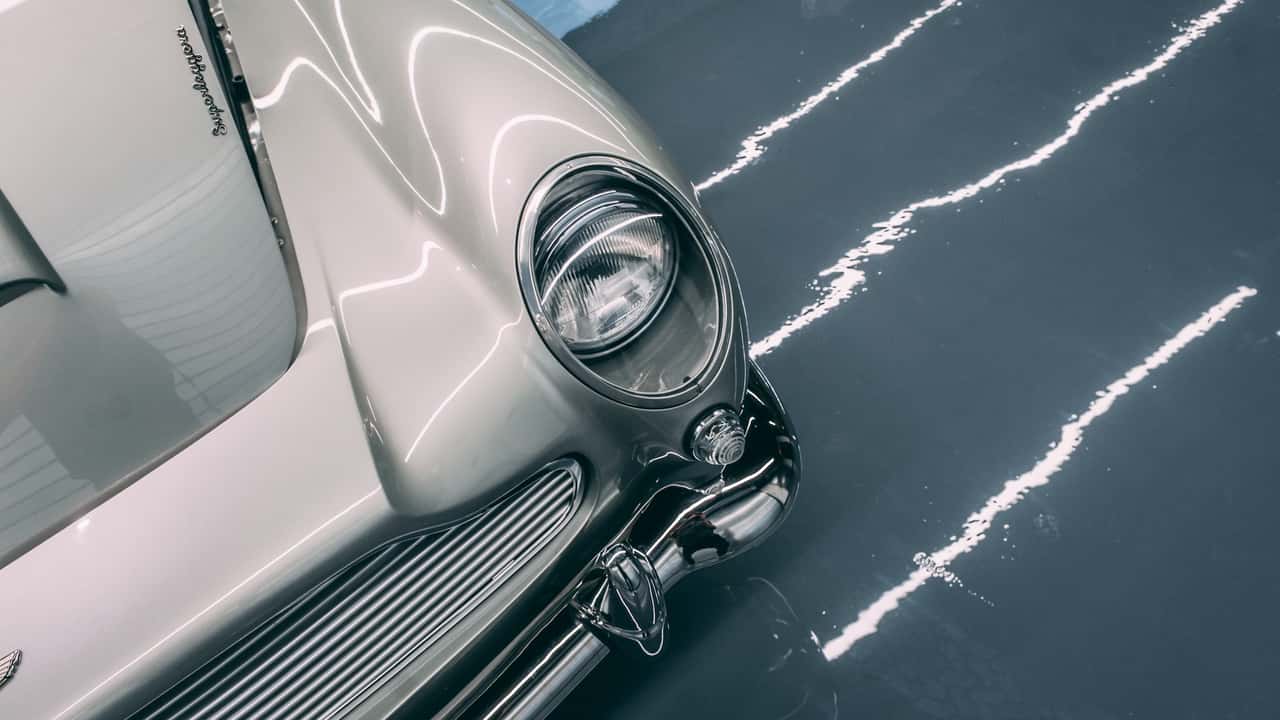
Photo by: Jeff Perez / Motor1
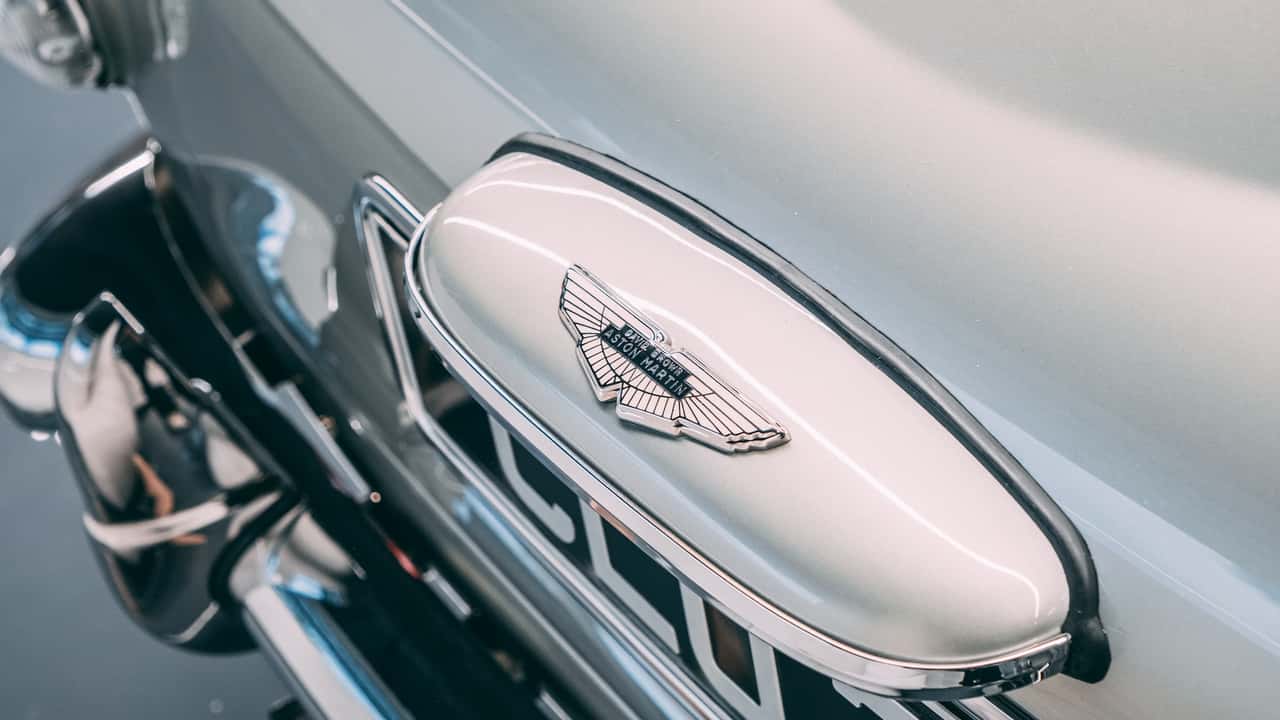
Photo by: Jeff Perez / Motor1
Photos by: Jeff Perez / Motor1
But for a generation growing up in the 1960s, the DB5 did something arguably even more important. Seeing that sleek silver sports car on the big screen helped inspire an entire generation of car enthusiasts, many of whom dreamed of owning one themselves.
Elliott Broidy was one of them; he tells me as we stand next to his newly minted DB5:
‘I was a little kid—I was probably seven—and my parents showed me [Goldfinger]. And I just loved cars from the time I was a little boy. And I said, ‘One day, one day, I’m gonna get one of these [DB5s].”
Nearly six decades later, Broidy finally did. Earlier this year, he took delivery of a fully restored and lightly modernized DB5 following months of collaboration with colleagues in the UK. But rather than simply shelling out seven figures on the best DB5 he could find online, Broidy decided to build the car he had always dreamed of owning as a kid.
From The Silver Screen To The Street
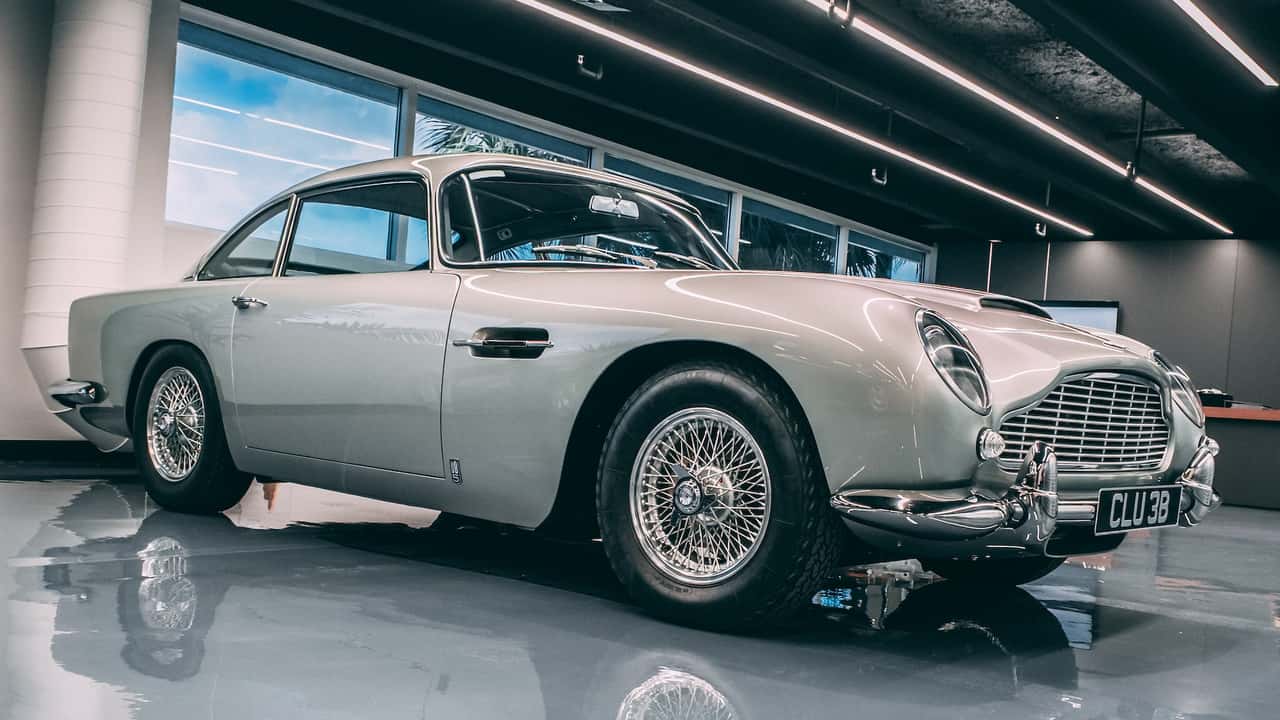
Photo by: Jeff Perez / Motor1
Broidy and his team found exactly what he was looking for: chassis number 1750/R.
Of the roughly 900 DB5 saloons Aston Martin built between 1963 and 1965, chassis 1750/R was delivered new in 1964 wearing British Racing Green over maroon Connolly leather. A gorgeous combination, but not quite what Broidy had in mind.
‘I looked for a car with a good engine and good bones, but not the perfect car, because I knew that I was going to have a nut-and-bolt restoration, tear it down to nothing. And start over.’
The car received a comprehensive bare-metal respray in Silver Birch, the color most closely associated with the DB5’s alter ego. Renowned British restorer Shaun Hayward of Hayward Classics handled the work in Kent.
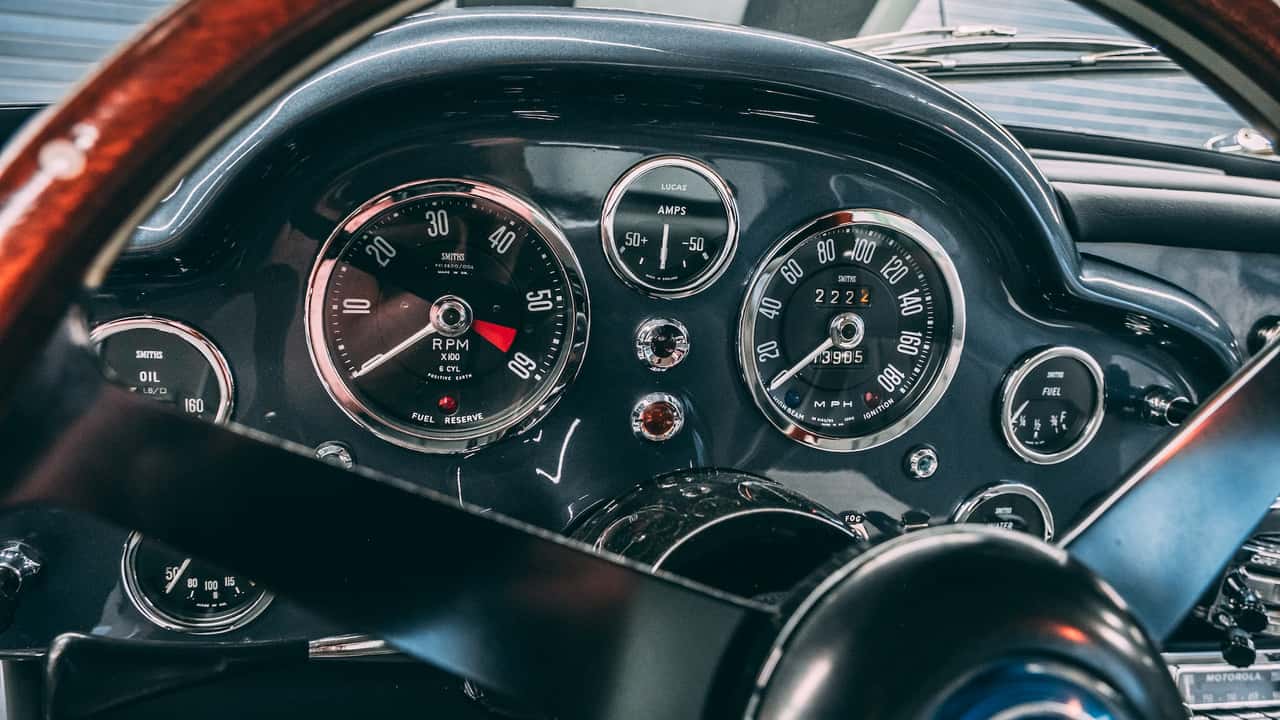
Photo by: Jeff Perez / Motor1
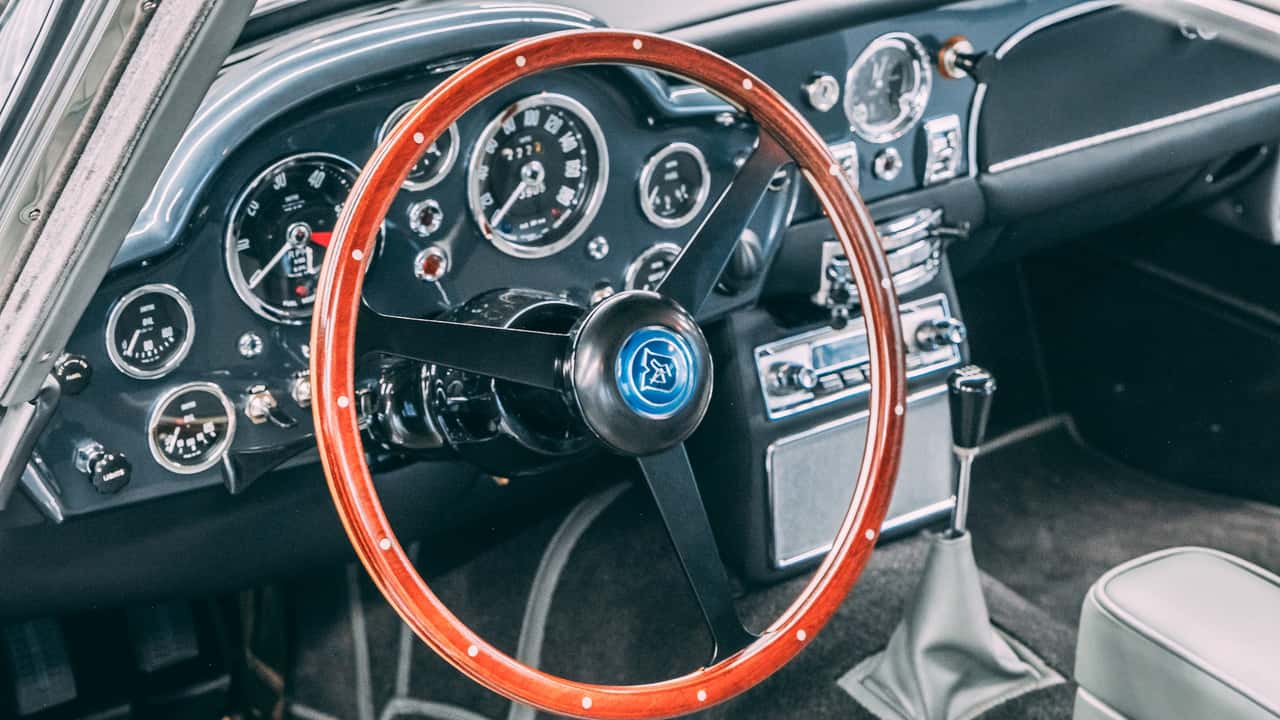
Photo by: Jeff Perez / Motor1
Photos by: Jeff Perez / Motor1
The interior received an equally extensive transformation. The original maroon leather was replaced with gray Connolly leather sourced directly from the Connolly brothers, while Matthew Hill Coach Trimming of Burgess Hill, West Sussex, stripped and restored the cabin to like-new condition.
Of course, no Bond-inspired DB5 would be complete without at least a little Q Branch influence.
Hidden beneath the passenger-side dashboard is a bespoke retractable compartment designed to hold a Walther PPK, Bond’s weapon of choice. Press the ejector-seat-style button on top of the gear lever, and the compartment plops into view.
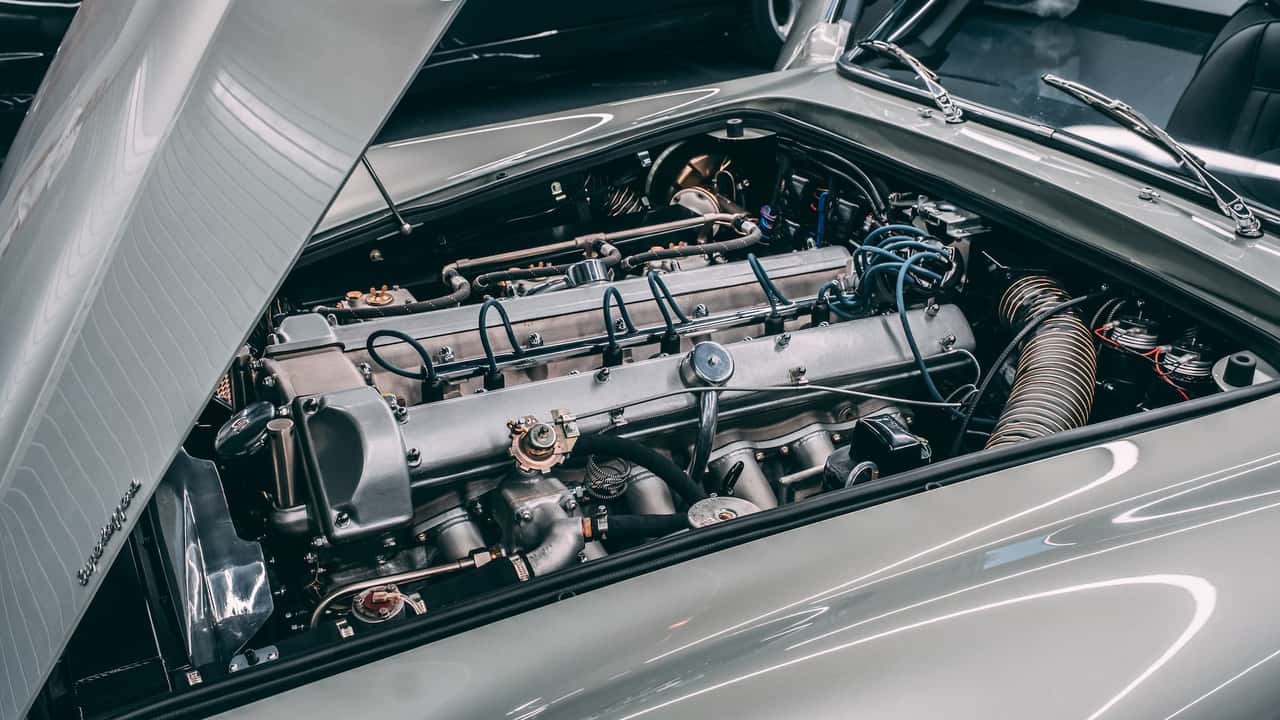
Photo by: Jeff Perez / Motor1
Unfortunately, this car doesn’t have all of Bond’s gadgets. There’s no ejector seat and no oil slick, for example. But Broidy did consider adding one of Bond’s most infamous upgrades: the machine-gun attachment. He jokes:
‘I was thinking about it, but then I thought it wasn’t practical.’
The goal wasn’t to turn the DB5 into a movie prop, though. Broidy wanted something that captured the look and feel of the original while giving him the freedom to actually use it. Which meant turning it into a real driver’s car.
Making The DB5 A Driver’s Car
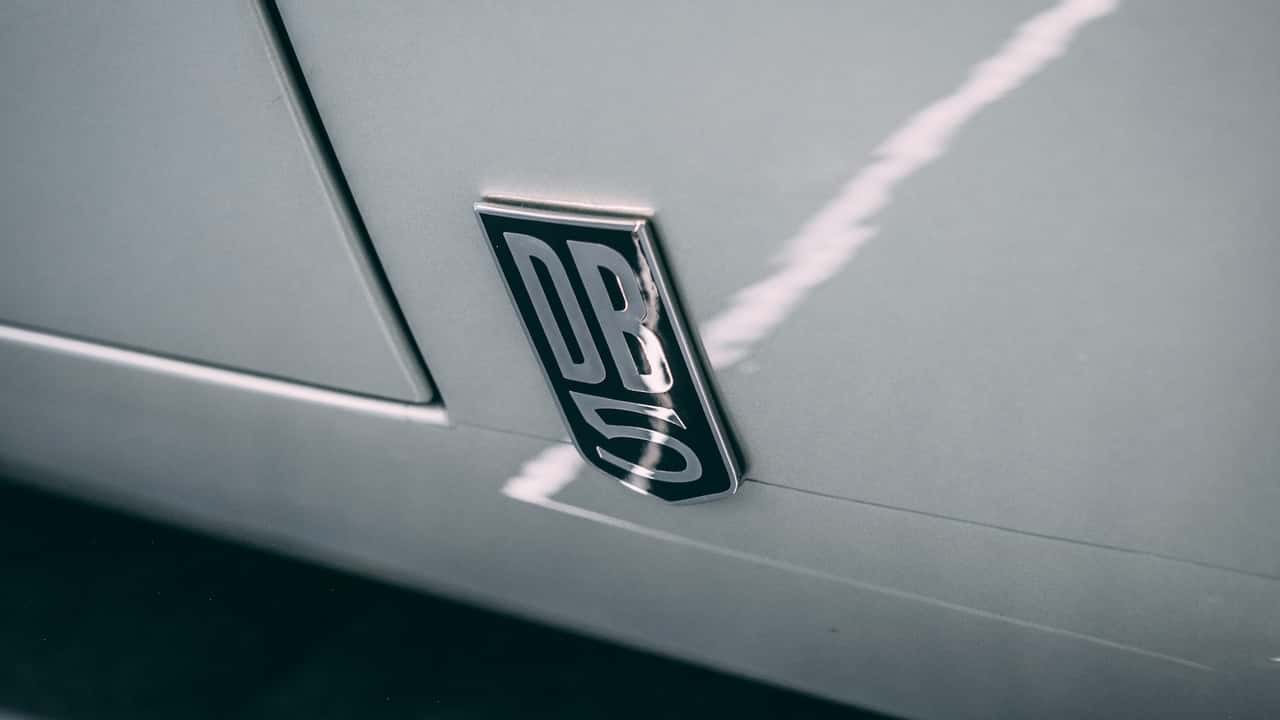
Photo by: Jeff Perez / Motor1
Broidy wanted a car he could actually drive. So, he looked to experts in the UK to improve the performance without losing the character of Aston Martin’s famous inline-six.
The original 4.0-liter engine was replaced with a larger 4.7-liter Vantage-specification unit prepared by Aston Engineering. Custom fuel-injected carburetors feed the engine, which now produces more than 352 horsepower at the wheels and 340 pound-feet of torque. The exhaust system is based on a DB4 GT setup, giving the car the throaty soundtrack you’d expect from a classic Aston inline-six.
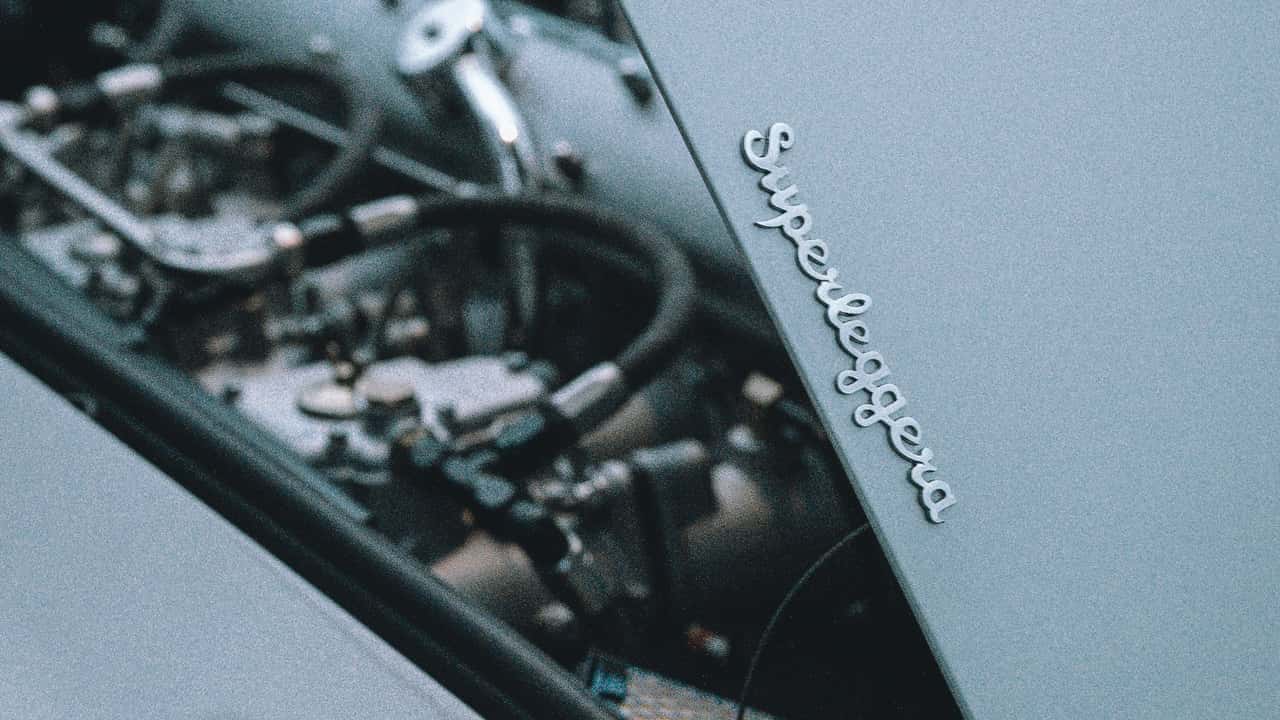
Photo by: Lowlyt Media
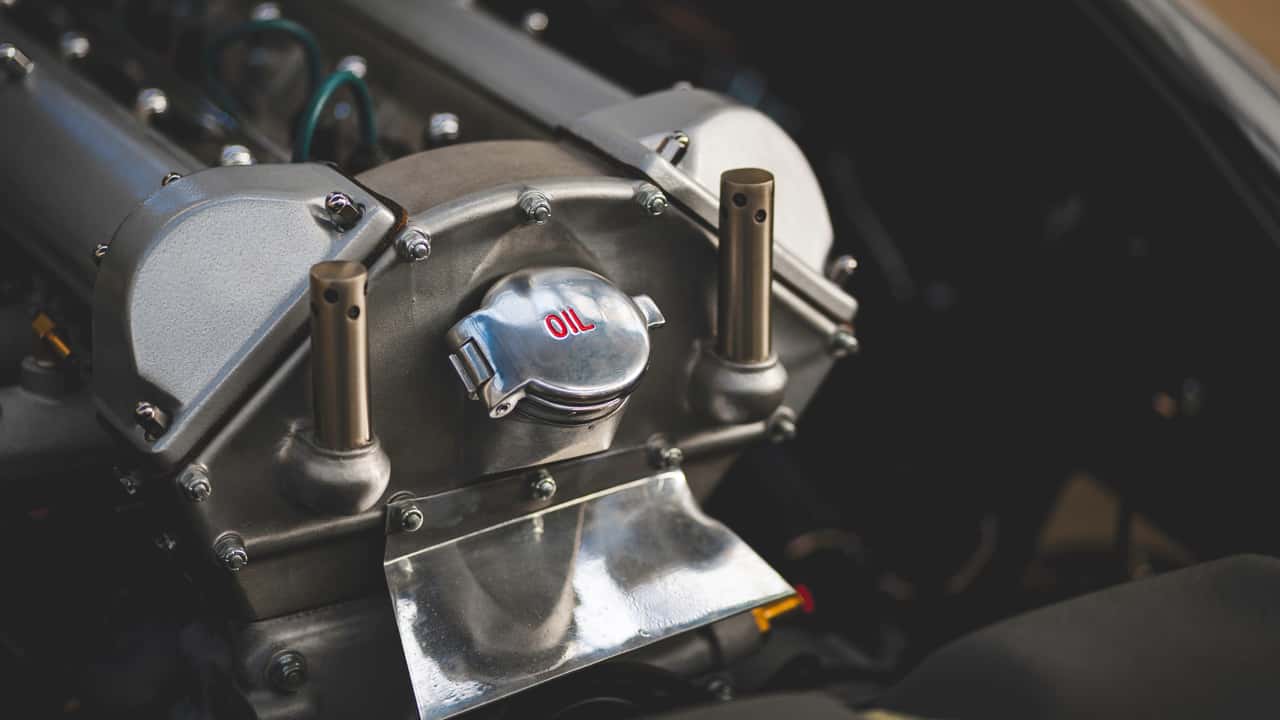
Photo by: Lowlyt Media
Photos by: Lowlyt Media
The DB5 was also converted to left-hand drive, making it better suited for use in the US. It gets power steering, upgraded brakes and suspension, Borrani wheels, and a bespoke air-conditioning system. That last addition is especially important when you’re driving a classic Aston through Florida’s brutal summers.
And drive Broidy does.
‘I do drive it, yeah. I like to drive it… In fact, I took it to the track in the UK at Goodwood, and I’ll need to take it to the track here once in a while. It’s fun.’
Calling this DB5 a restomod, though, would be almost unfair. Unlike the Singers, Icons, and Speedkores of the world, Broidy’s goal wasn’t to reinvent the DB5. It was to preserve the spirit of the original while adding just enough modern technology and convenience to make it genuinely livable.
And unless you really know where to look, it’s almost impossible to tell that Broidy’s DB5 isn’t exactly what Aston Martin might have built back in 1964.
Driving The DB5
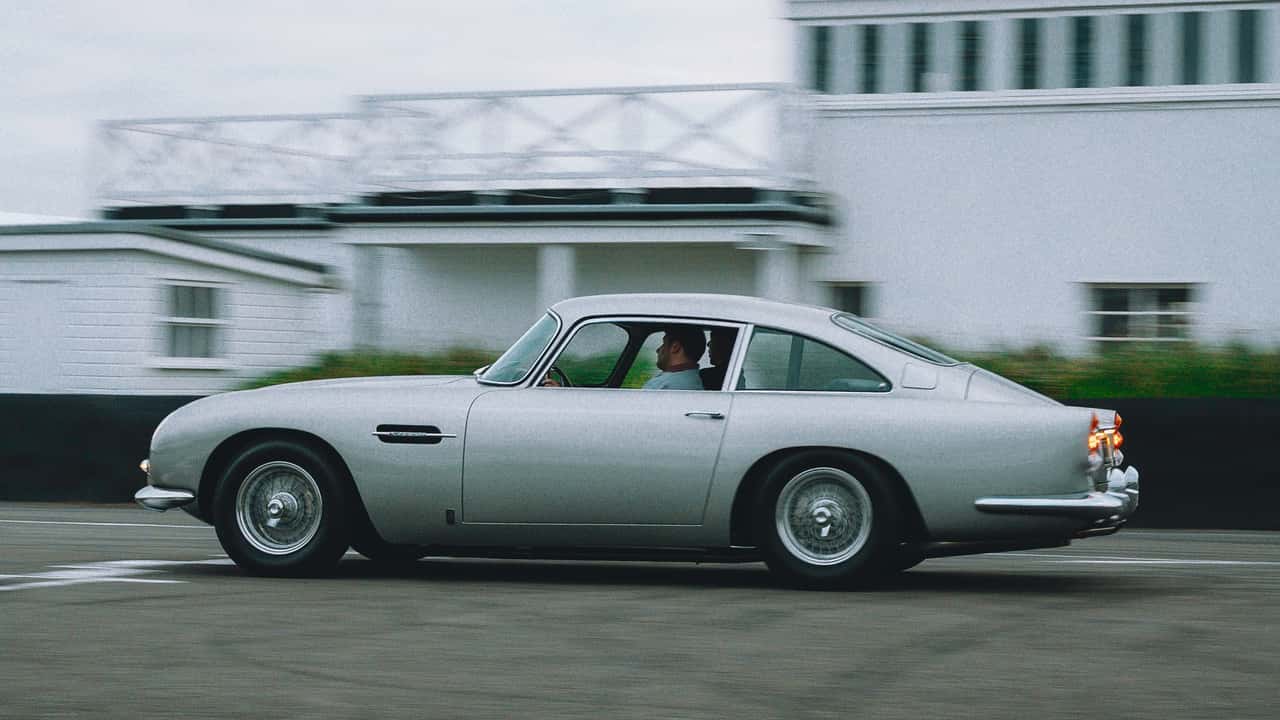
Photo by: Lowlyt Media
As Broidy says, this car was meant to be driven. So he’s happy to hand me the keys to his multi-million-dollar James Bond cosplay and send me on my way for a quick jaunt. I oblige. (Editor’s Note: The photos you see here are from the Goodwood Circuit; our test drive took place on public roads).
From the driver’s seat, you’d hardly call this a “restomod” at all. Other than the A/C controls hidden in the center console—which we kick on immediately—and the red trigger button beneath the shifter, everything in this DB5 feels… normal. As it should.
All the gauges, switches, and controls look like they were ripped straight from the factory. The materials are premium, but clearly of a time. And the wood-rimmed steering wheel is an especially charming reminder of the car’s original character.
Even the key is completely ordinary. Just a little piece of metal that goes into the ignition. Nothing special. And I prefer it that way.
From the driver’s seat, you’d hardly know this was a “restomod” at all.
After a few prods of the clutch pedal, I twist that metal key and fire up the 4.7-liter engine. Boy, does it sound good. A deep, handsome rumble from the silky-smooth inline-six fills the cabin. I press the clutch again, this time deeper into the wheel well, and slot the shifter into first.
We’re off.
Much like hopping into the cabin for the first time, I immediately notice just how “classic” the driving experience feels. Even with the modified suspension, steering, and brakes, you could have told me this is how the DB5 came from the factory in 1964, and I might have believed you.
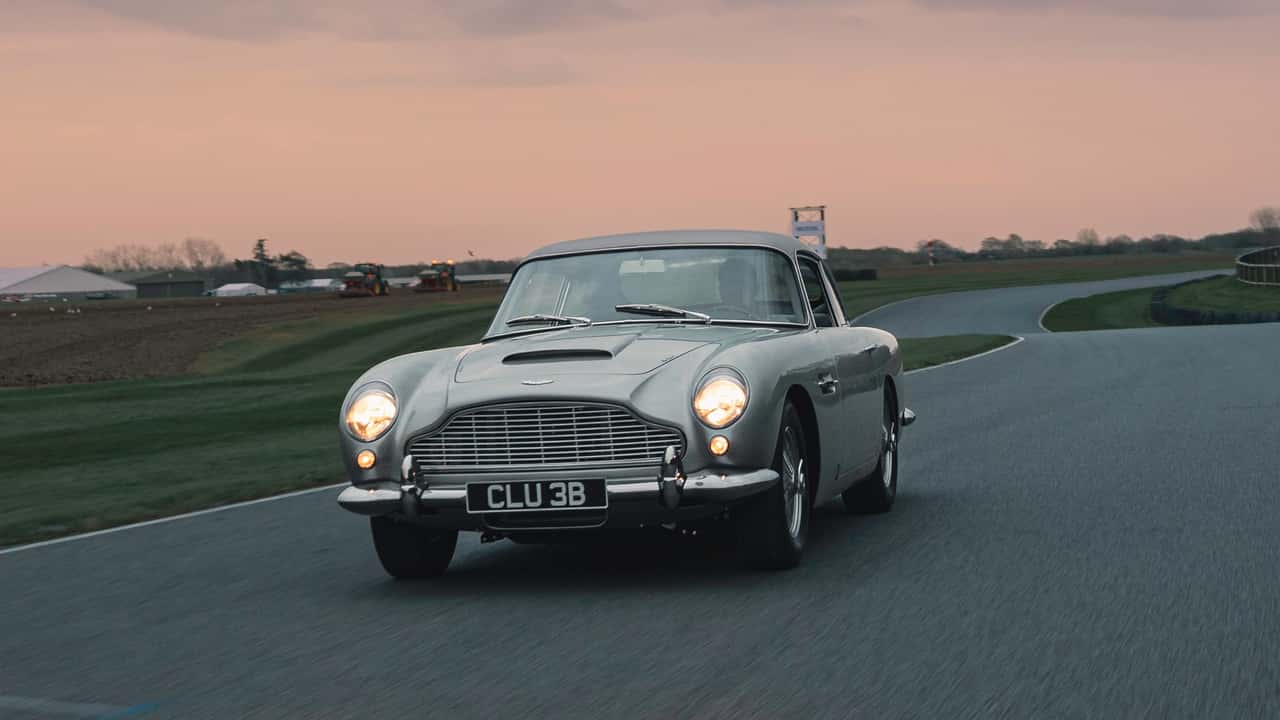
Photo by: Lowlyt Media
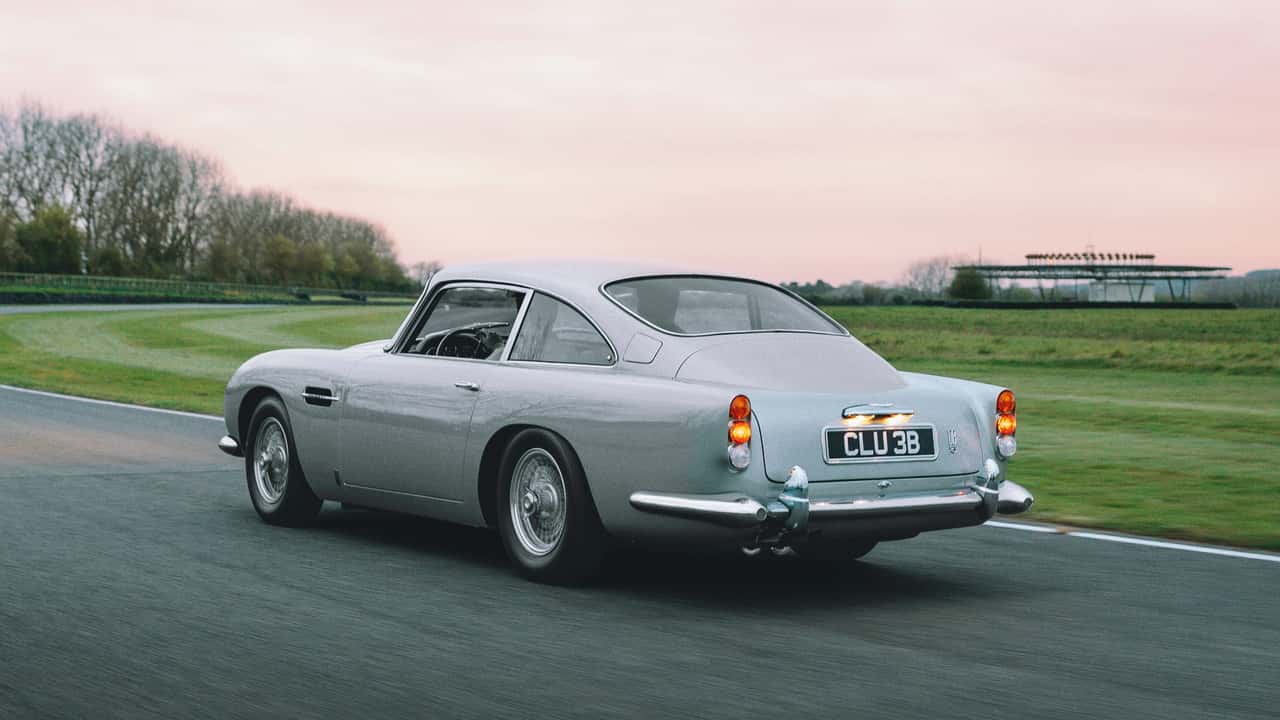
Photo by: Lowlyt Media
Photos by: Lowlyt Media
Turn the massive wooden tiller into the first curve, and there’s body roll—real, actual body roll. That’s usually a demerit on a modern sports car, but here, it’s just another thing that makes the DB5 so charming.
Hammer the gas pedal and the inline-six wakes up with immediate power delivery and a delectable soundtrack. It’s quicker than I expected, too. With 352 hp moving roughly 3,300 pounds, there’s more than enough shove to hustle the DB5 down a public road quickly.
Then there’s the shifter. Yank the tall, floor-mounted lever into second, then third, then fourth. Each gear comes with a smooth but deliberate motion. These aren’t the short, rifle-bolt throws of something like a 911 GT3. Getting into second, especially, takes some patience. But it’s all part of the fun.
After a few minutes of getting familiar with the car’s quirks, I’m absolutely smitten. This is a proper DB5 “restomod”—just modern enough, but not so overdone that it strips away the car’s original character. It’s absolutely lovely.
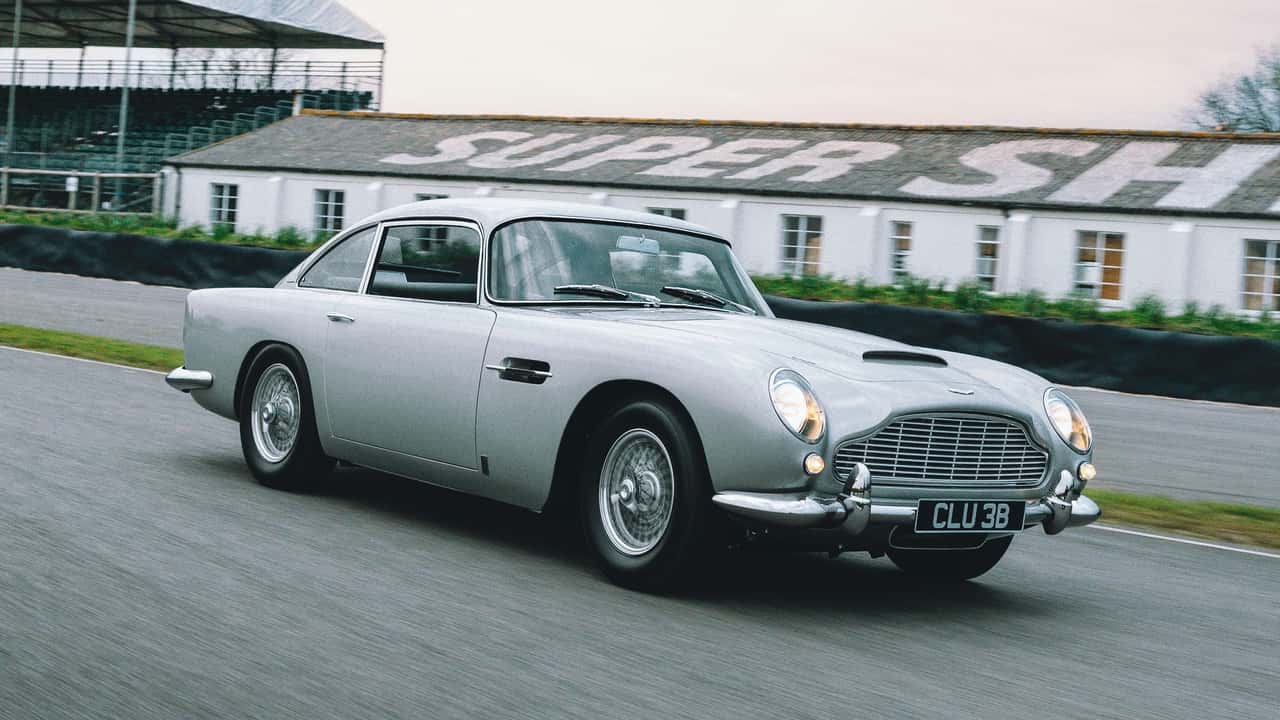
Photo by: Lowlyt Media
Remove the Silver Birch paint, the Bond gadgets, and the decades of mythology surrounding it, and there’s still a genuinely wonderful sports car underneath. It’s old-school in all the right ways. It makes noise. It moves around. And it demands a little more from the person behind the wheel. A defining trait of any good classic.
And that was Broidy’s goal from the beginning. He didn’t want a museum piece. He didn’t want a modern supercar wearing a DB5 costume. He wanted the car that seven-year-old Elliott Broidy fell in love with watching Goldfinger—only one he could actually drive.
Nearly six decades after the fact, I’d say he got pretty damn close.
This MGA Restomod Has a Miata’s Soul. And It’s Brilliant
This Ferrari F355 with carbon body is restomod perfection
Driving A Jaguar E-Type With Small-Block V8: Match Made In Restomod Heaven
1964 Volvo P1800 Cyan First Drive Review: Carbon Copy