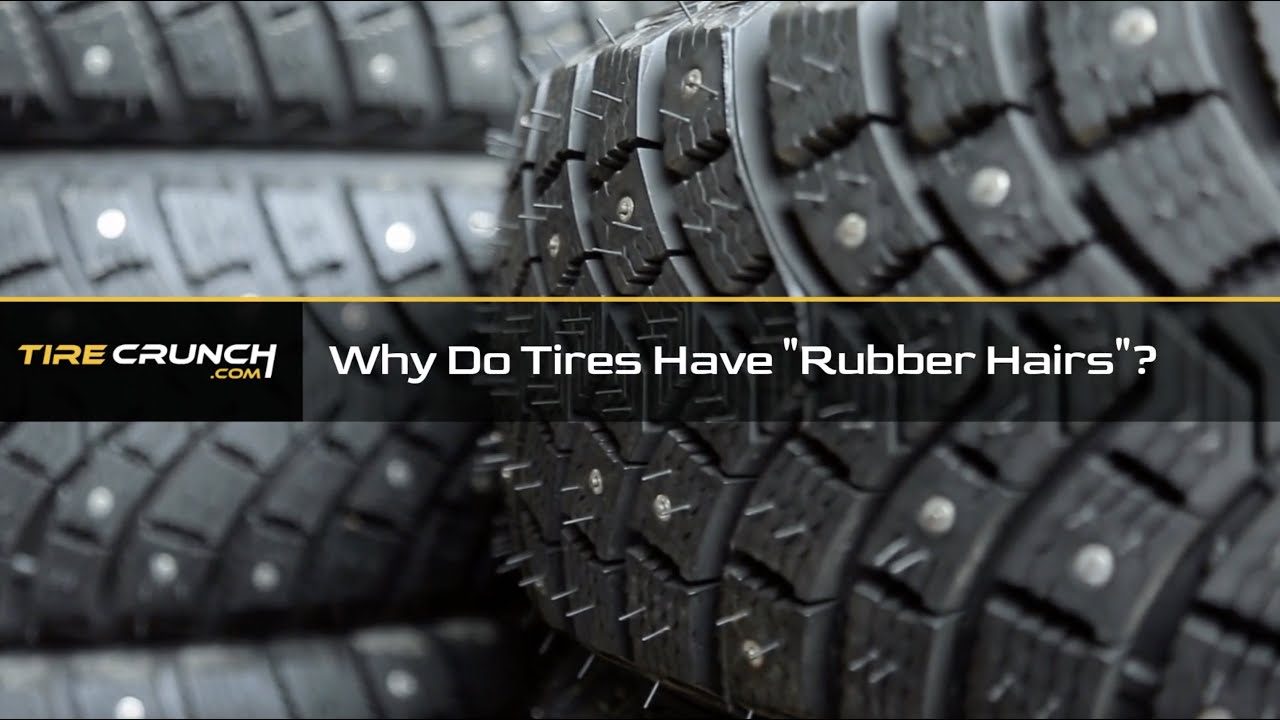
If you’ve ever bought a brand-new set of tires, you’ve probably noticed the tiny rubber hairs sticking out from the tread and sidewalls.
They look almost like miniature whiskers, and it’s easy to assume they’re there for a reason related to grip, traction, or tire break-in. The truth is much simpler—and it starts inside the tire factory.
They’re Leftovers From The Manufacturing Process
Those little hairs are commonly called vent spews, and they’re a byproduct of how tires are molded.
Before a tire reaches a dealership, its uncured rubber is placed inside a mold and subjected to intense heat and pressure. The process, known as vulcanization, gives the tire its final shape, tread pattern, and durability.
But there’s a problem: trapped air between the rubber and the mold could create imperfections. To prevent that, tire molds contain numerous tiny vent holes that allow air to escape as the rubber is pressed into place.
Some of the soft rubber follows the air into those holes. When the tire cures, that rubber hardens into the tiny strands you see on a new tire. Basically, the hairs are essentially evidence that the mold successfully vented itself during production.
They Don’t Make Your Tires Grip Better
Despite plenty of myths surrounding them, the hairs don’t improve traction, reduce road noise, or help the tire perform better. Once the tire has left the factory, the vent spews serve no functional purpose.
The hairs on the tread usually disappear over time as they’re exposed to the road. Those on the sidewalls can remain much longer because they don’t contact the pavement.
Their presence also isn’t a reliable way to determine exactly how old a tire is. Some tires can retain their sidewall spews long after they’ve been sitting or even after they’ve accumulated significant age, so the DOT date code is the proper way to check a tire’s age.
Why Are Some Tires Covered in More Hairs Than Others?
If you’ve compared different brands or types of tires, you may have noticed that some have dozens of prominent rubber hairs while others barely have any.
That’s largely down to the design of the tire mold and how the manufacturer handles the finished product. The number, location, and size of the vent holes can vary depending on the tire and manufacturing process.
Some manufacturers also remove or trim certain spews after production, particularly in areas where a cleaner appearance is desirable. Others leave them exactly as they come out of the mold.
The number of hairs is therefore not a reliable indicator of tire quality:
- More hairs doesn’t mean better tires: The spews are a manufacturing byproduct, not a performance feature.
- Fewer hairs doesn’t mean older tires: Manufacturers may trim or remove them after production.
- Sidewall hairs can last a long time: They don’t contact the road, so they wear away much more slowly.
- The DOT code matters more: Check the tire’s date code if you want to determine its age.
What Happens to Them After You Start Driving?
The hairs on the tread don’t last very long.
As soon as the tire begins rolling over pavement, the rubber spews in the tread are exposed to friction and gradually wear away. Depending on where they’re located and how much the car is driven, many can disappear surprisingly quickly.
The sidewall hairs are a different story. Because they don’t regularly touch the road, they can remain visible for months or even longer.
That’s why a tire that’s been driven for a while can still have little rubber hairs around its sidewalls. Their presence doesn’t mean the tire has barely been used.
It’s also worth remembering that the rubber hairs themselves aren’t part of the tire’s engineered tread. They don’t contribute to the contact patch, and there’s no need to wait for them to disappear before driving normally.
What Drivers Think About Tire “Hairs”
Reddit users have been asking the same question: What are those tiny rubber hairs on new tires?
A 2025 r/whatisit post attracted more than 5,000 upvotes, with commenters explaining that the hairs are vent spews, created when air and gases escape through tiny openings in the tire mold during manufacturing.
Obviously, the topic also comes up among tire owners. In an r/tires thread, one driver worried that unevenly worn rubber hairs on a new set of tires indicated a problem. Other users clarified that vent spews aren’t indicators of tire wear and shouldn’t be used to judge whether a tire needs replacing.
Another recent r/tires discussion focused on whether missing hairs meant a tire wasn’t new. Redditors pointed out that manufacturers may produce tires with fewer visible spews, meaning their absence isn’t proof that a tire has been used. The DOT date code is a much better way to determine a tire’s age.
Should You Pull Them Off?
There’s really no need. Tire manufacturers don’t require drivers to remove vent spews, and they won’t affect the tire’s safety or performance. Some owners do remove them because they prefer the cleaner appearance, but leaving them alone is perfectly fine.
If you do decide to remove them, there’s little benefit beyond aesthetics. Picking them off one by one won’t improve grip, handling, fuel economy, or tire life. Not to mention it’s a tedious job that might make you look like a weirdo.
The more important thing with a new set of tires is making sure they’re properly installed, balanced, and inflated to the vehicle manufacturer’s recommended pressure.
The tiny rubber whiskers are just a small reminder that even something as ordinary as a tire requires plenty of engineering before it ever touches the road.